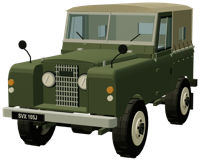
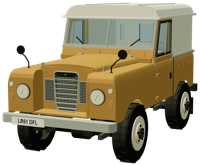
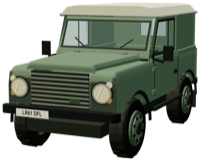
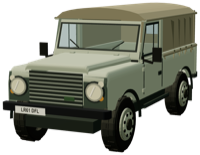
The Pajero arrived as the recreational 4x4 market formed and defined it: torsion-bar front suspension and free-wheeling hubs in 1982, Super Select 4WD and Multi-Mode ABS in 1991 — both firsts for a Japanese four-wheel drive — and a monocoque with an integrated ladder frame, low range and centre-differential lock in 1999.
The Dakar record built the reputation: twelve overall wins from 1985 to 2007, more than any other manufacturer. The Pajero ended in March 2021; the Pajero Sport, built in Thailand on the Triton’s frame, carries the line on.
First generation (1982–1991)
3 VEHICLES IN THIS CHAPTERThe original Pajero, the Dakar programme, the Hyundai Galloper licence.
Registry records · chapter 1
Super Select (1991–1999)
3 VEHICLES IN THIS CHAPTERThe second generation, the Shogun in Britain, the Montero in Spain and the Americas.
Registry records · chapter 2
Monocoque and the end (1999–2021)
1 VEHICLE IN THIS CHAPTERThe third and fourth generations; production ends March 2021.
Registry records · chapter 3
Pajero Sport (1996–)
1 VEHICLE IN THIS CHAPTERThe Triton-based wagon, Challenger, Montero Sport and Shogun Sport.
Registry records · chapter 4
Base models
The structural configurations the registry and the Creator build from; each page carries the researched specification.Sources
- Mitsubishi Pajero — Wikipedia
- Mitsubishi Pajero Sport — Wikipedia
- Hyundai Galloper — Wikipedia
Pajero, Montero and Shogun records in the registry
8 records, oldest first. Pajero I (1982–91)1982–91 · Japan
 Montero (Spain and the Americas)1983–2021 · Japan
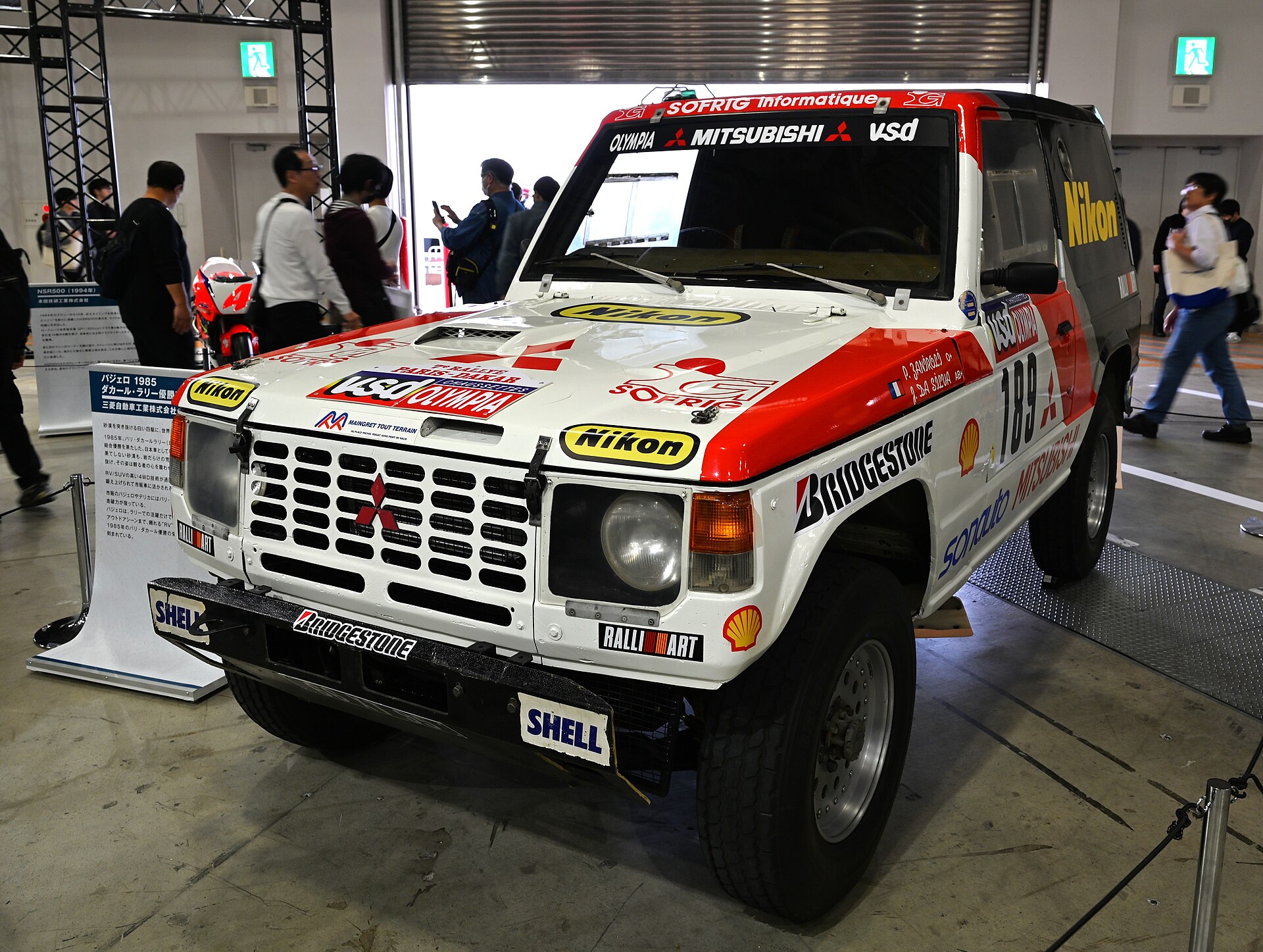 Pajero in the Dakar (1983–2009)1983–2009 · Japan
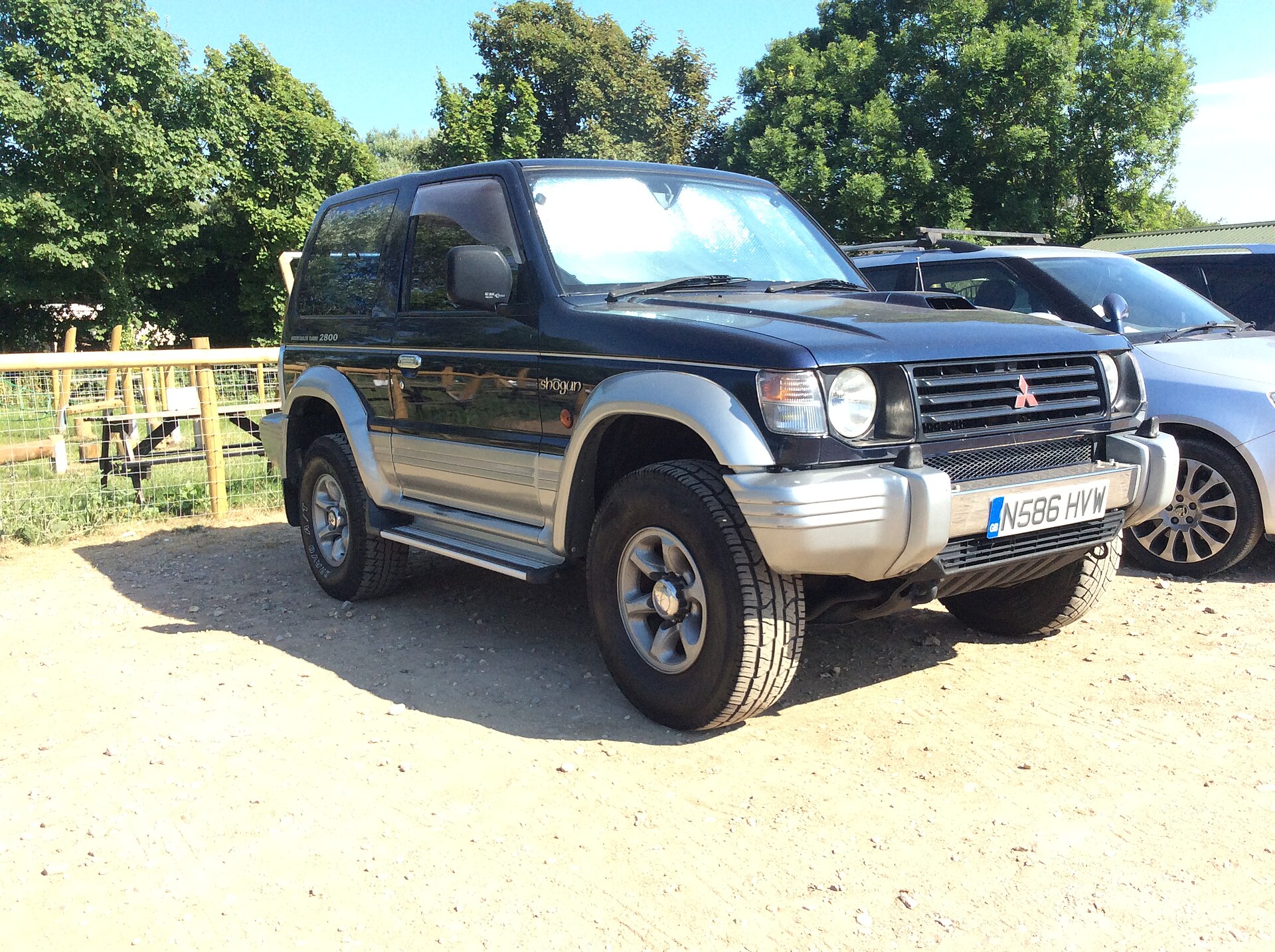 Shogun (United Kingdom, 1983–2019)1983–2019 · Japan
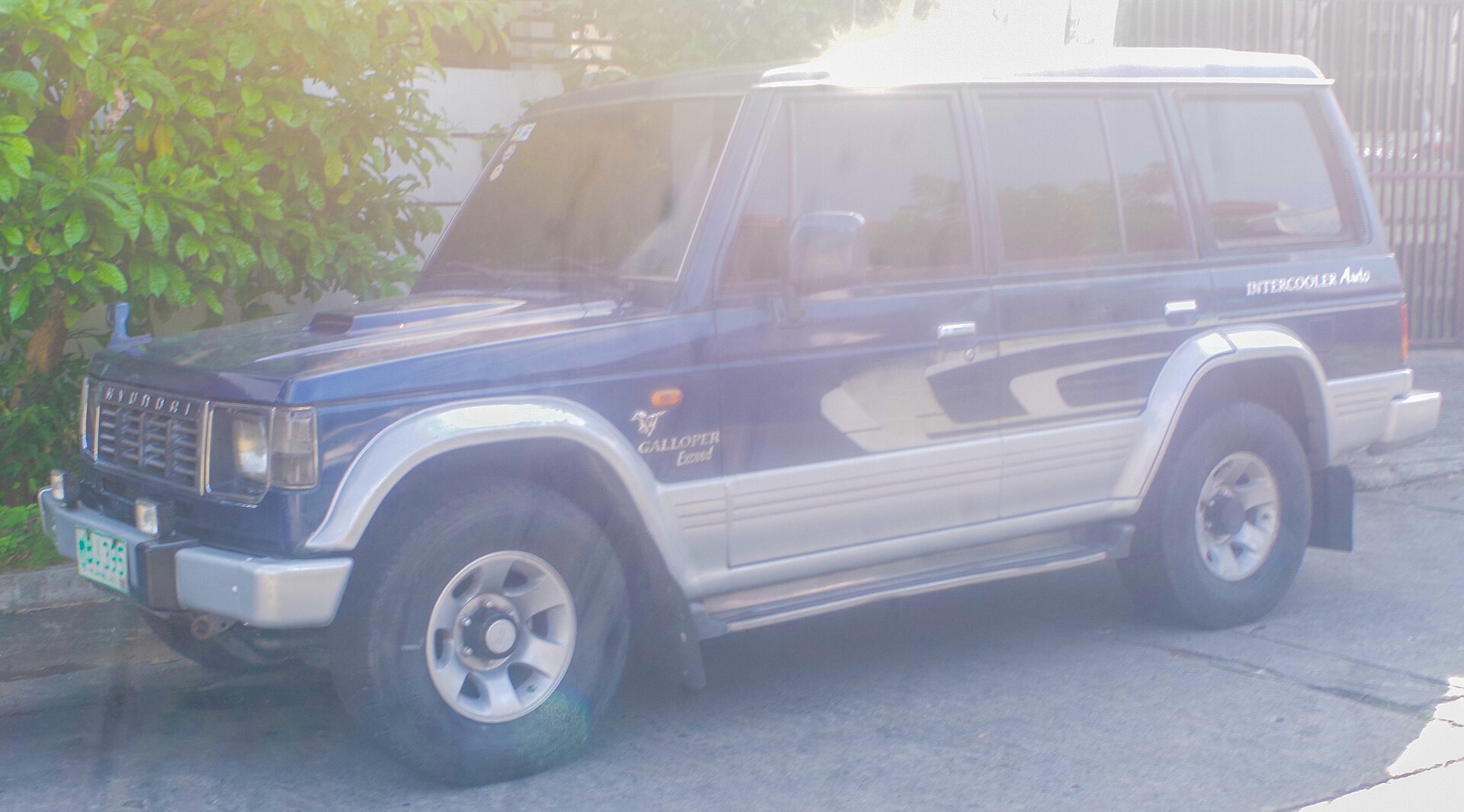 Hyundai Galloper (Korea, 1991–2003)1991–2003 · South Korea
 Pajero II (1991–99)1991–99 · Japan
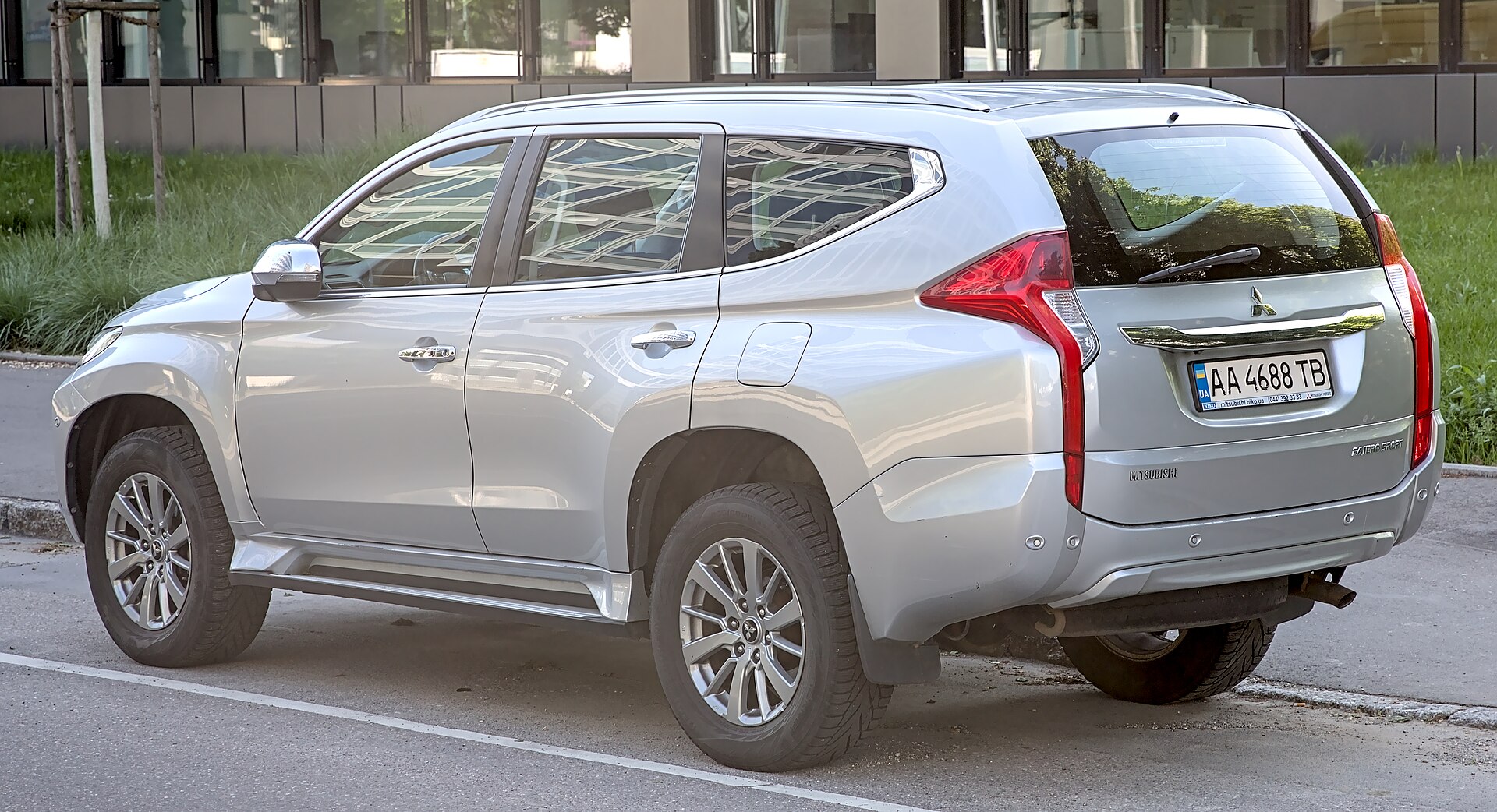 Pajero Sport / Montero Sport / Challenger (1996–)1996 · Thailand
 Pajero III and IV (1999–2021)1999–2021 · Japan