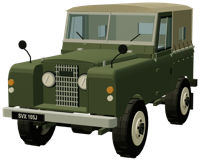
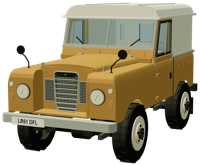
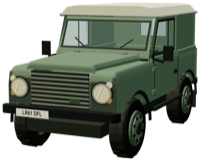
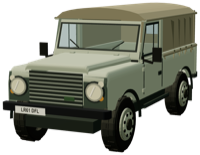
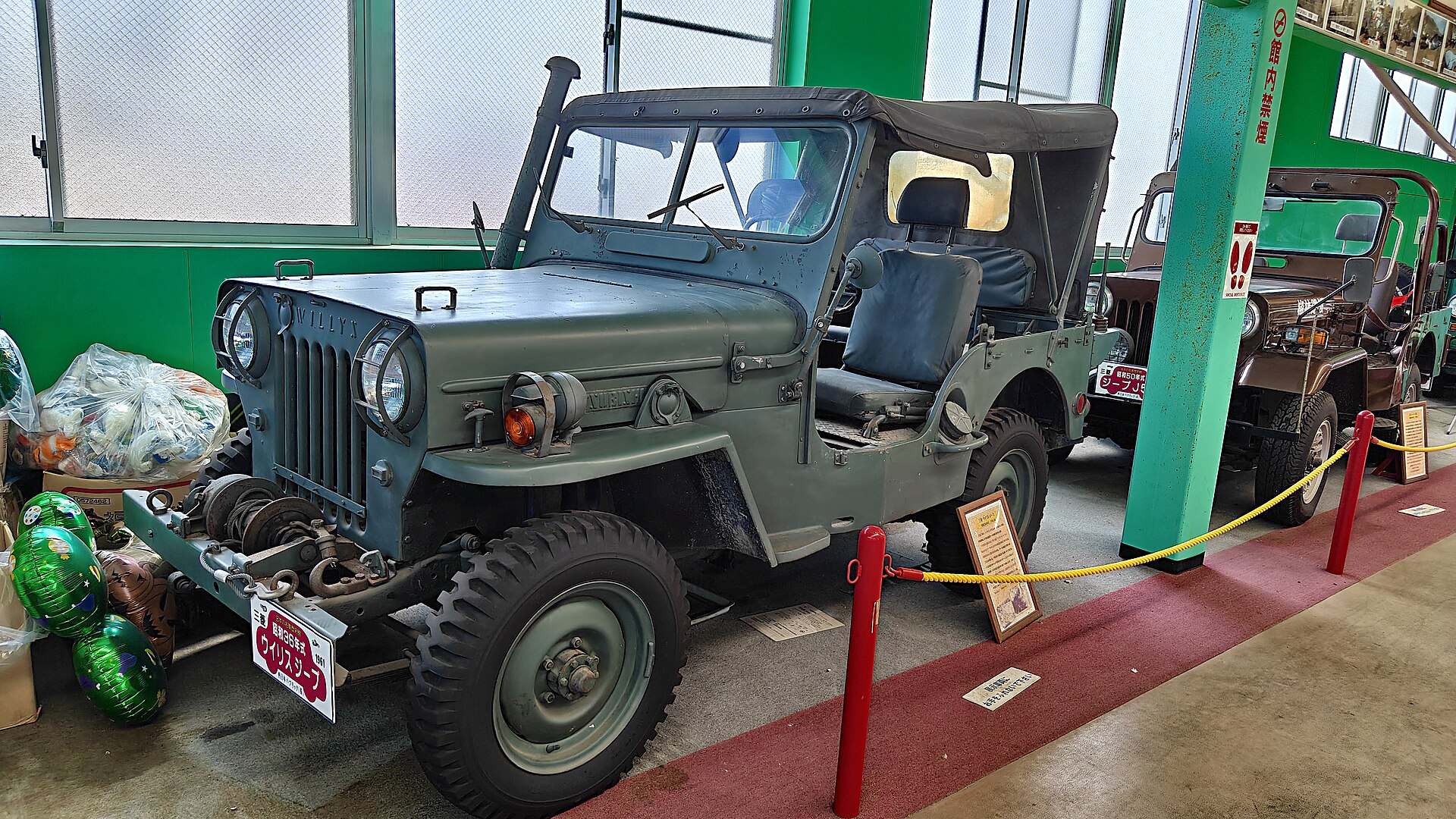
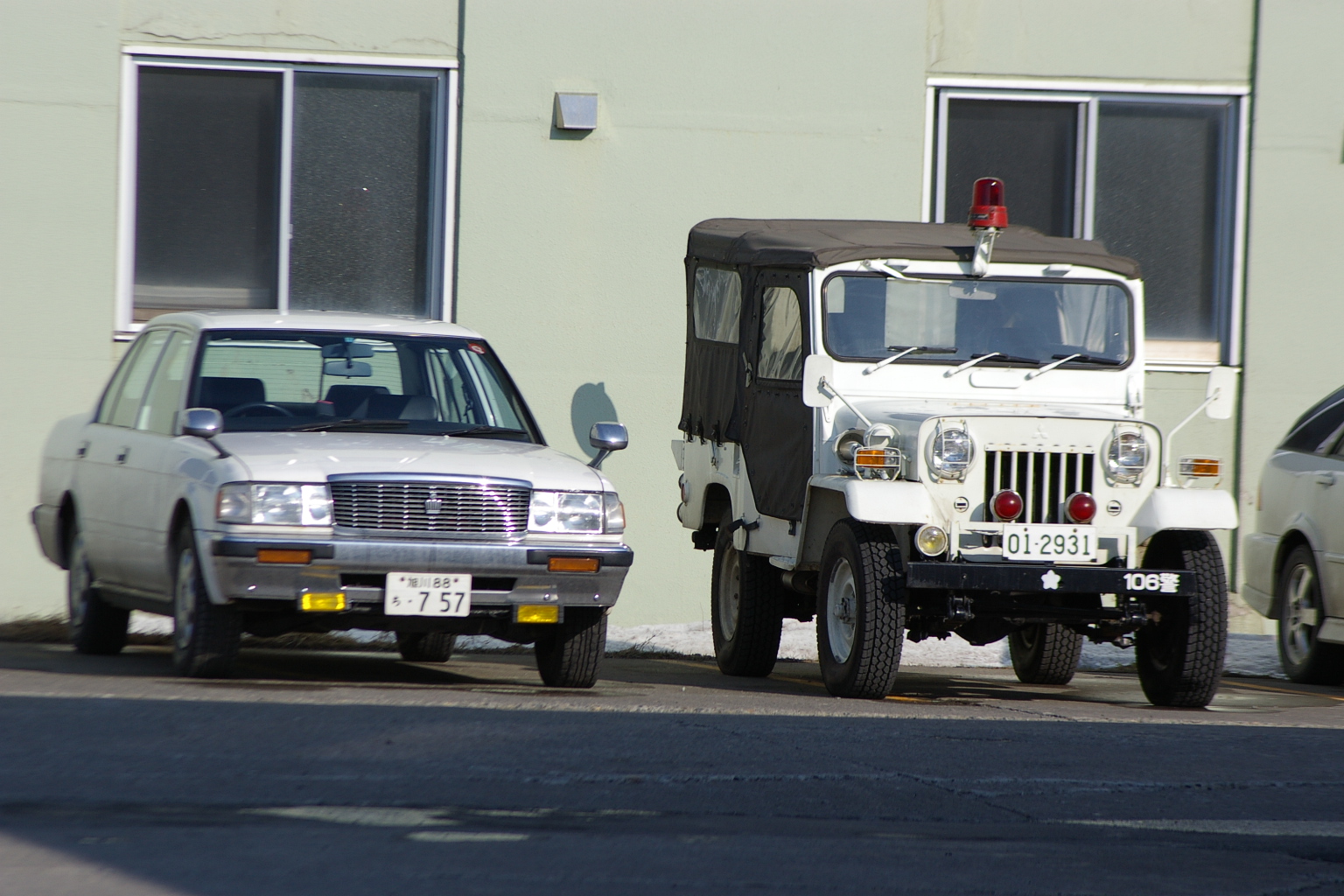
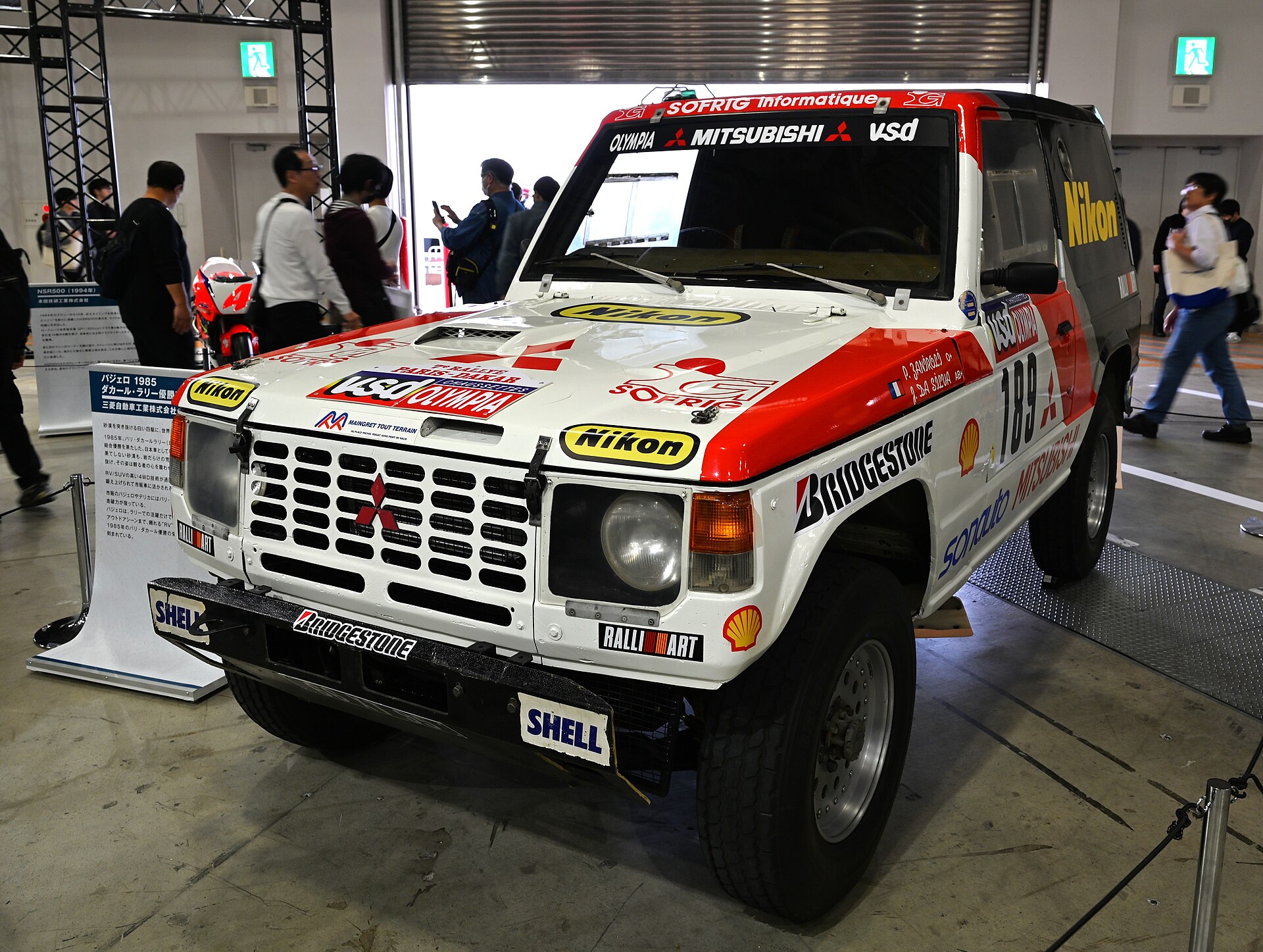
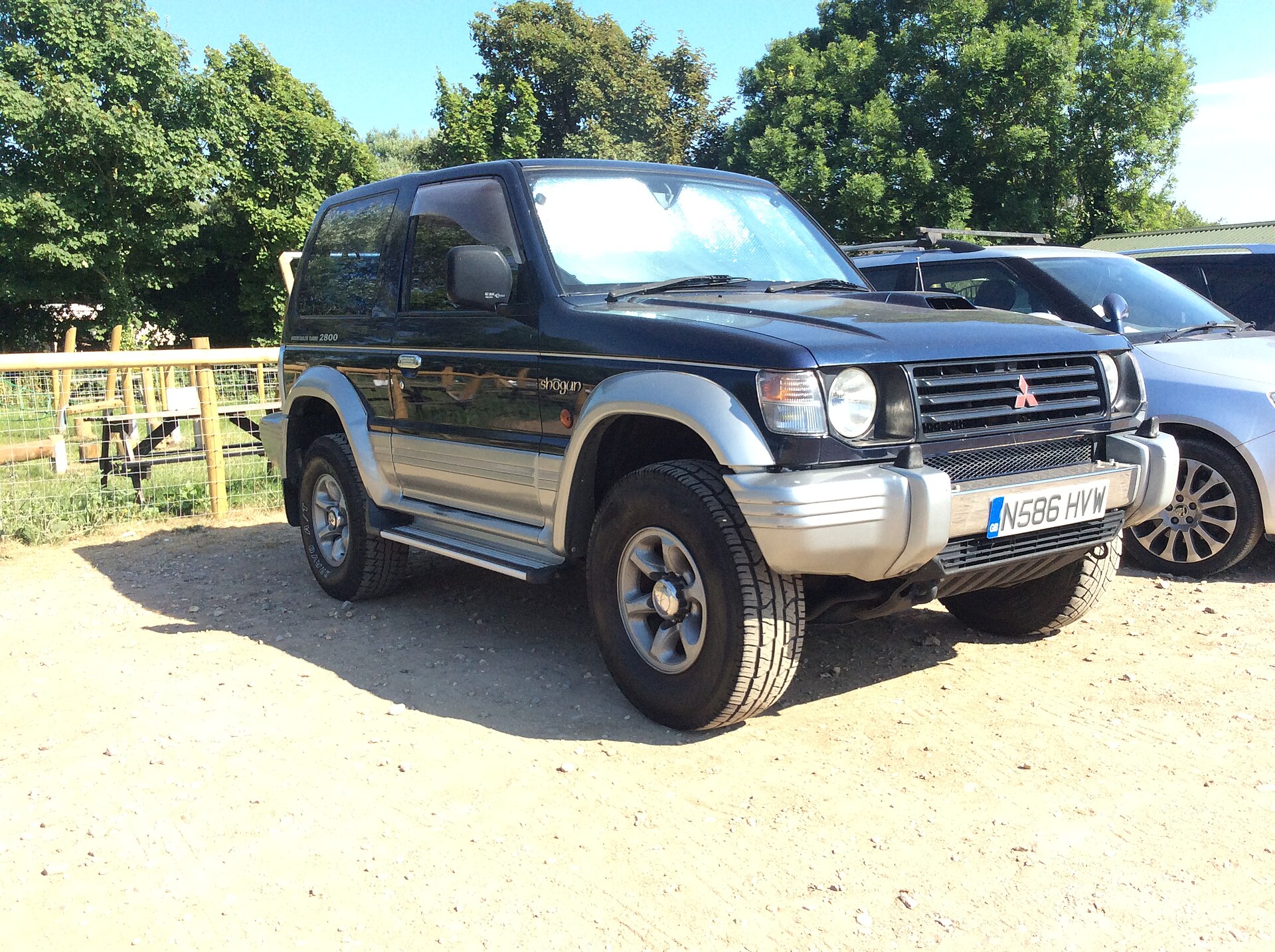
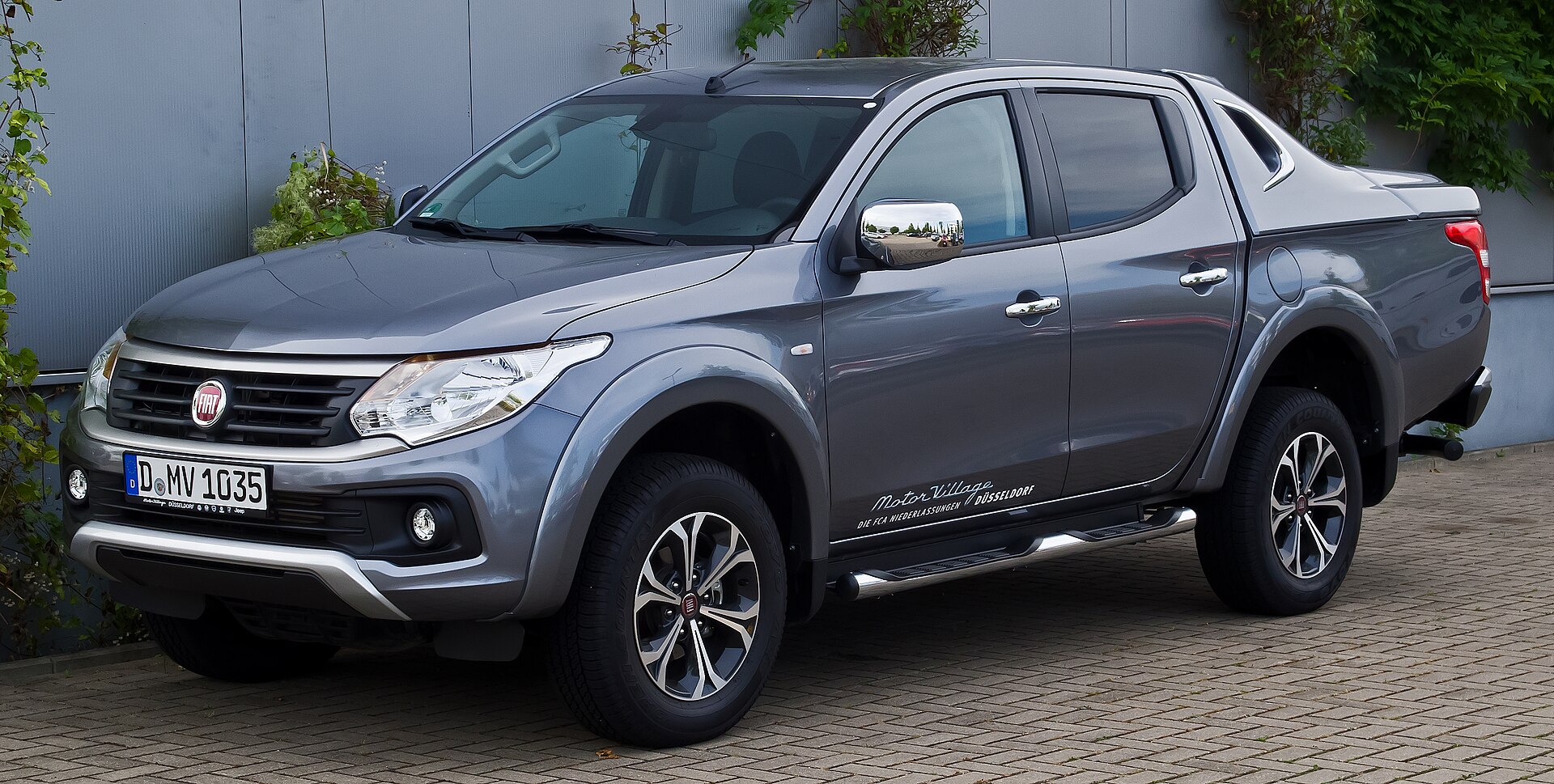
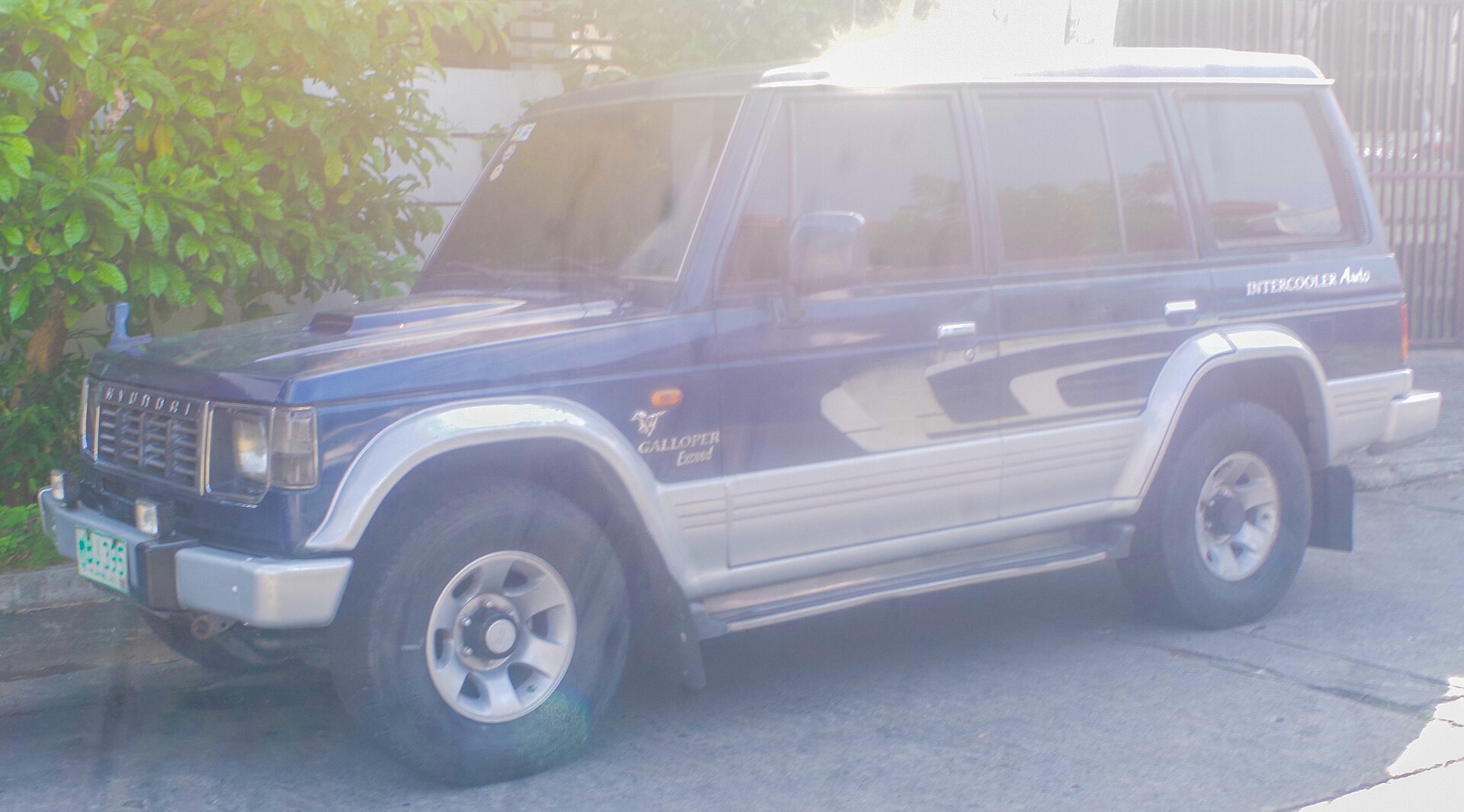
The vehicle that made Mitsubishi’s name: the Pajero of May 1982, a ladder-frame 4x4 with torsion-bar independent front suspension, free-wheeling hubs and 2.0 to 3.0-litre petrol and diesel engines, in short and long wheelbases with canvas and metal tops; sold as the Montero in Spain and the Americas and the Shogun in Britain, and the basis of the Paris–Dakar cars that began Mitsubishi’s twelve overall wins.
MODEL LINEPajero, Montero and ShogunBUILT BYMitsubishi Heavy Industries / Mitsubishi MotorsPRODUCED1982–91PRODUCTIONPart of more than 3.3 million PajerosLAYOUT4 wheels · 92.5″
The record
The Pajero arrived when the recreational 4x4 market was forming and took it: comfortable enough for the road, capable enough for the desert, and a Dakar winner from 1985 onwards. Hyundai built the first generation under licence as the Galloper from 1991 to 2003.
ENGINE2.0 and 2.6-litre petrol fours; 3.0-litre V6; 2.3 and 2.5-litre turbo-diesel fours
PRODUCTION RUNPart of more than 3.3 million Pajeros
COUNTRY OF ORIGINJapan
STATUSreplaced by the second generation in 1991
RECORD KINDBase model
MODEL LINEPajero, Montero and Shogun
FAMILYPajero, Montero and Shogun
WHEELS4
NOMINAL WHEELBASE92.5″
BODY STYLEShort wheelbase
VARIANTS3
Catalogue fields describe the vehicle's structure and body as this registry records it. They are not certified factory measurements, and no performance figures are published here.
Body styles & colours
Body style
Factory colours
White (W37 / W83)
Codes on hover. Hex values are representative approximations of period paint unless a source states a measured value.