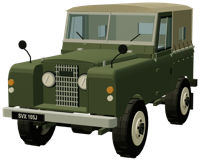
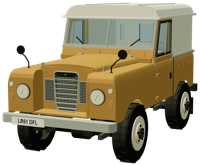
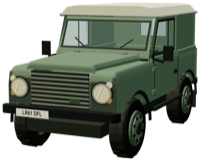
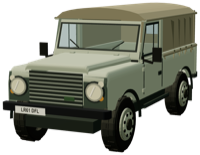
The FV600 idea was a common chassis with whatever body the job wanted. It worked because the chassis was good: independent suspension on all six wheels, permanent drive and enough ground clearance to leave the road entirely. The engines, transmissions and brakes varied considerably between the four, which is why they look more alike than they are.
The Saracen went to Malaya, Aden, Northern Ireland, the Yom Kippur War and Sri Lanka, and was exported in hundreds — 280 to South Africa alone. The Saladin is still in service in five countries seventy years after it was designed. The Salamander served the RAF until 1978. The Stalwart carried five tonnes at 64 km/h on land and six to nine knots on water until 1993.
Saracen and Saladin (1952–1976)
5 VEHICLES IN THIS CHAPTERThe personnel carrier and the gun car, the two most numerous of the family.
Salamander (1958–1963)
1 VEHICLE IN THIS CHAPTERAbout 125 airfield crash tenders with Pyrene equipment, in RAF service until 1978.
Registry records · chapter 2
Stalwart (1960–1971)
4 VEHICLES IN THIS CHAPTER125 Mk 1s and 956 Mk 2s; five tonnes across country, and afloat.
Base models
The structural configurations the registry and the Creator build from; each page carries the researched specification.In service
Where the registry's FV600 records worked; each opens the themed history.Sources
- Alvis Saracen — Wikipedia
- Alvis Saladin — Wikipedia
- Alvis Salamander — Wikipedia
- Alvis Stalwart — Wikipedia
FV600 records in the registry
11 records, oldest first.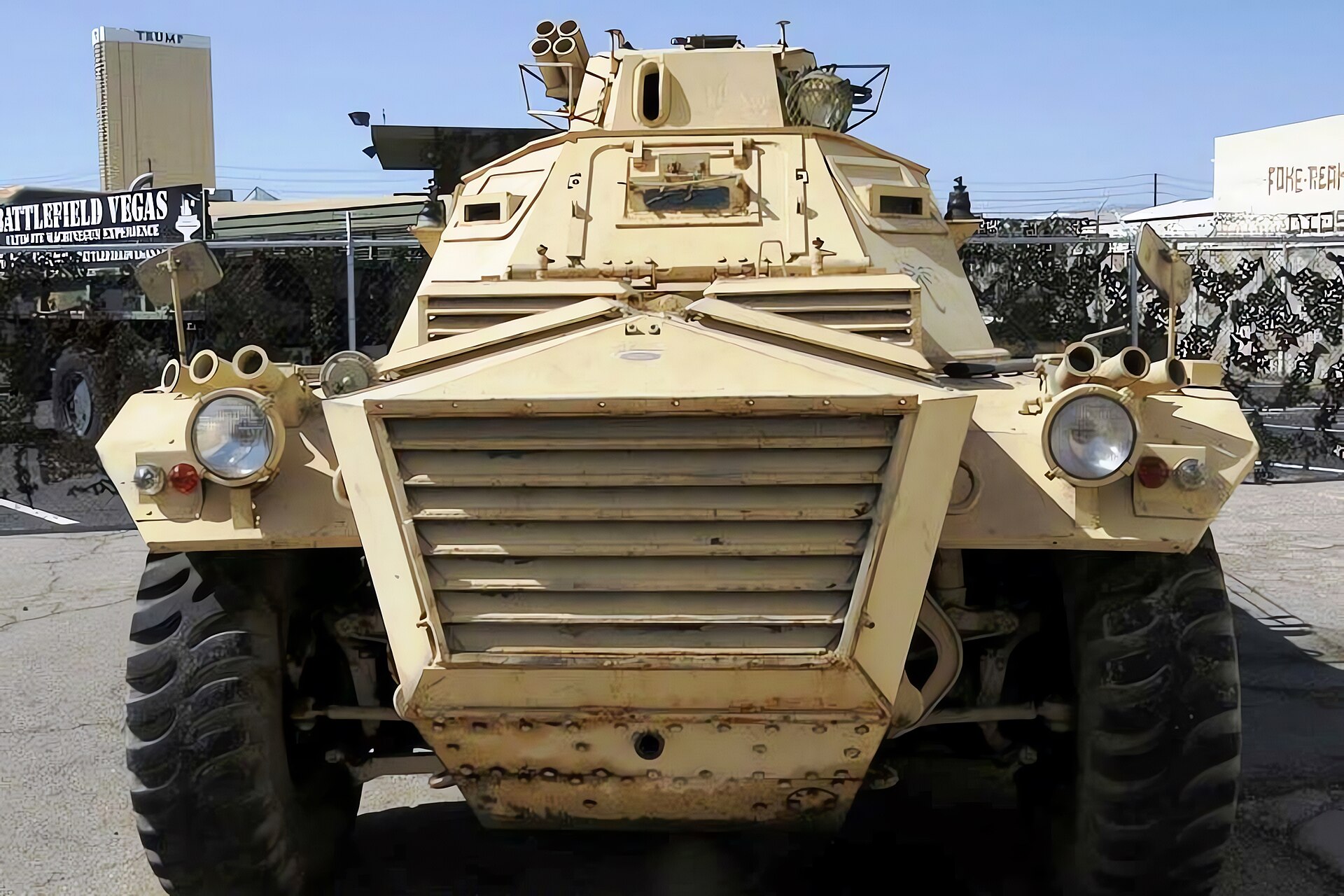 Saracen (FV603, 1952–76)1952–76 · United Kingdom
 Saracen, South Africa1953–56 · United Kingdom
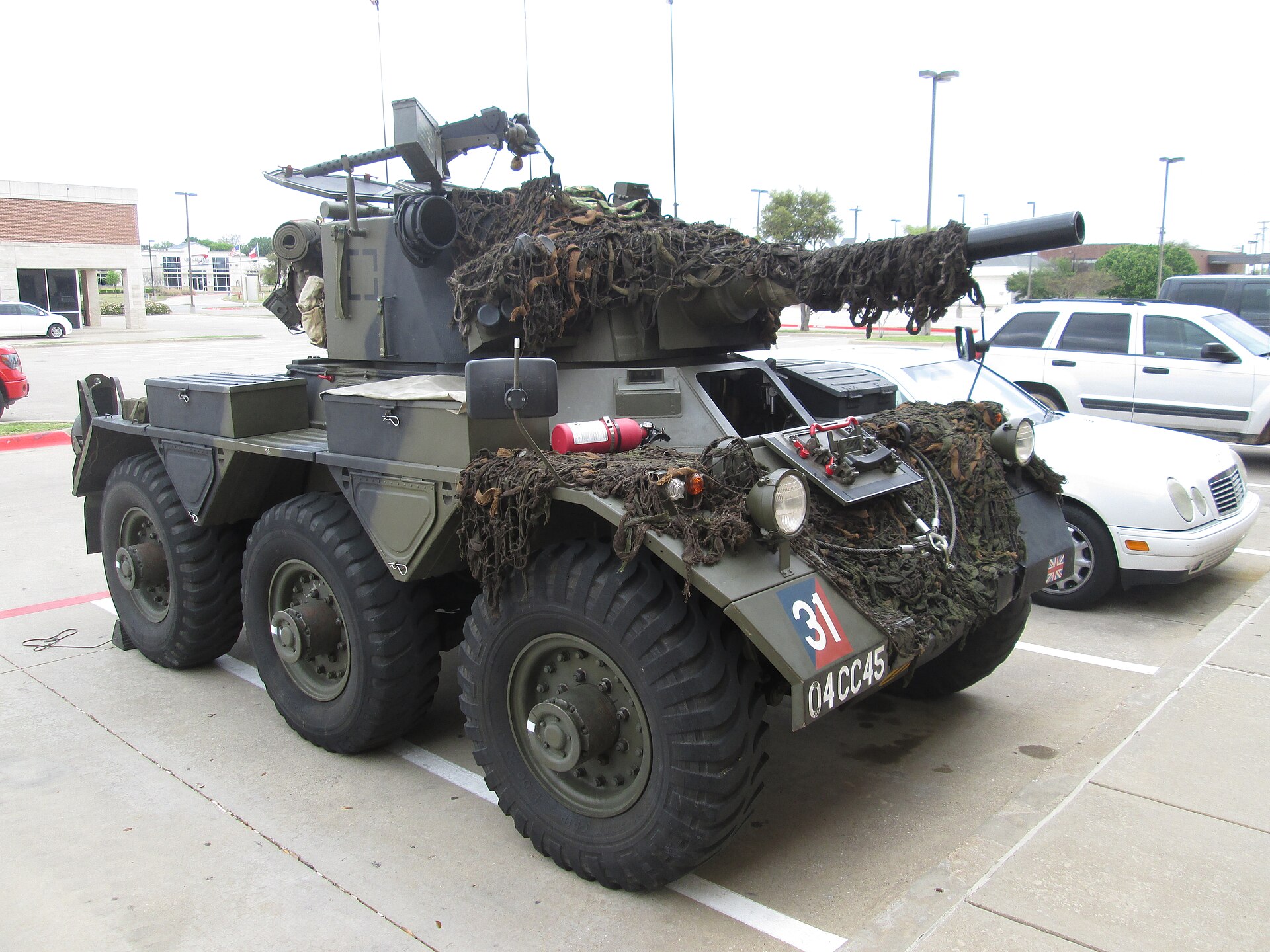 Saladin (FV601, 1958–72)1958–72 · United Kingdom
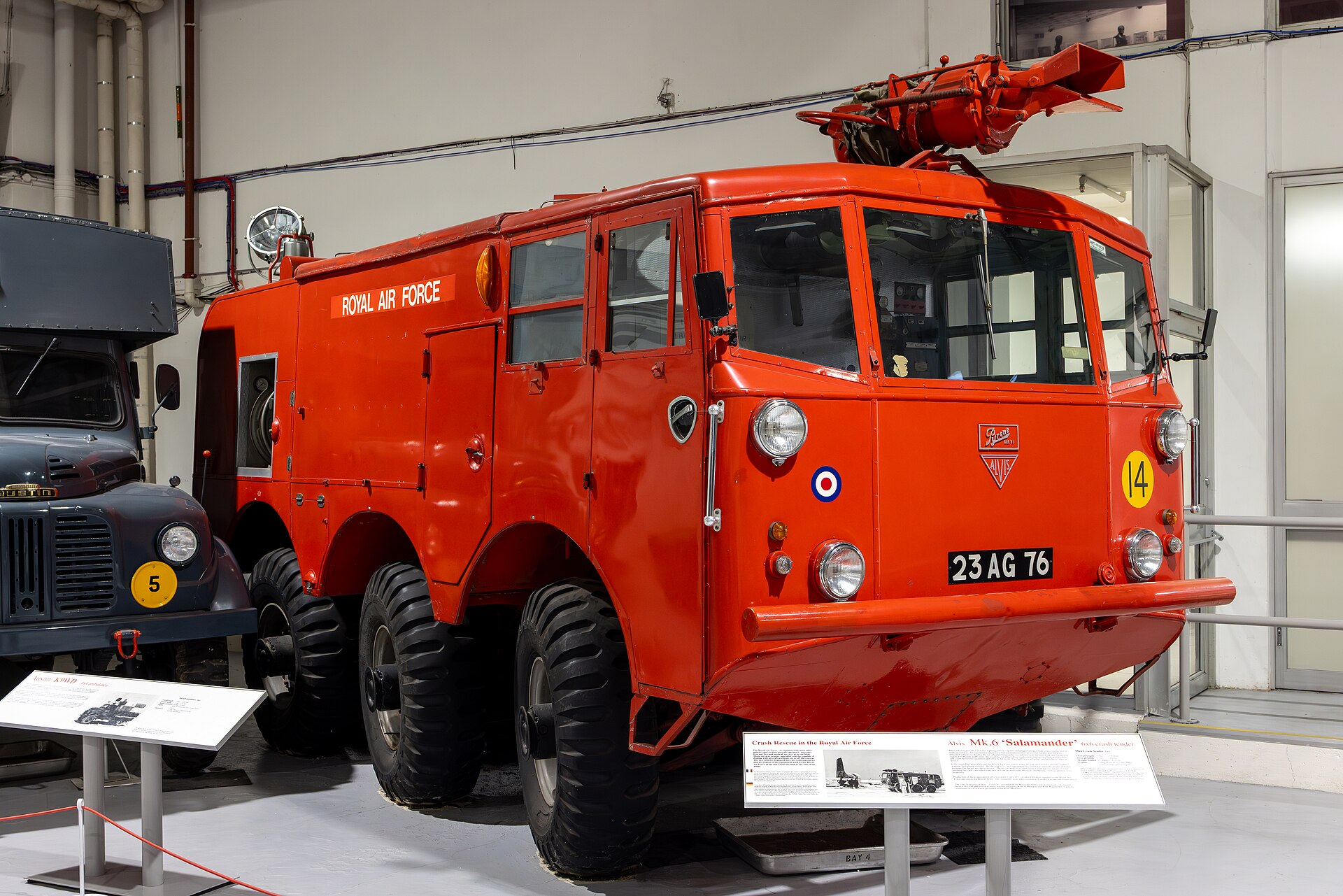 Salamander (FV651, 1958–63)1958–63 · United KingdomSaladin abroad1960 · United KingdomSaracen, Royal Hong Kong Police1960–88 · United Kingdom
 Stalwart (FV620/622, 1960–71)1960–71 · United KingdomStalwart Mk 1 (FV620)1963–65 · United KingdomStalwart abroad1966–71 · United Kingdom
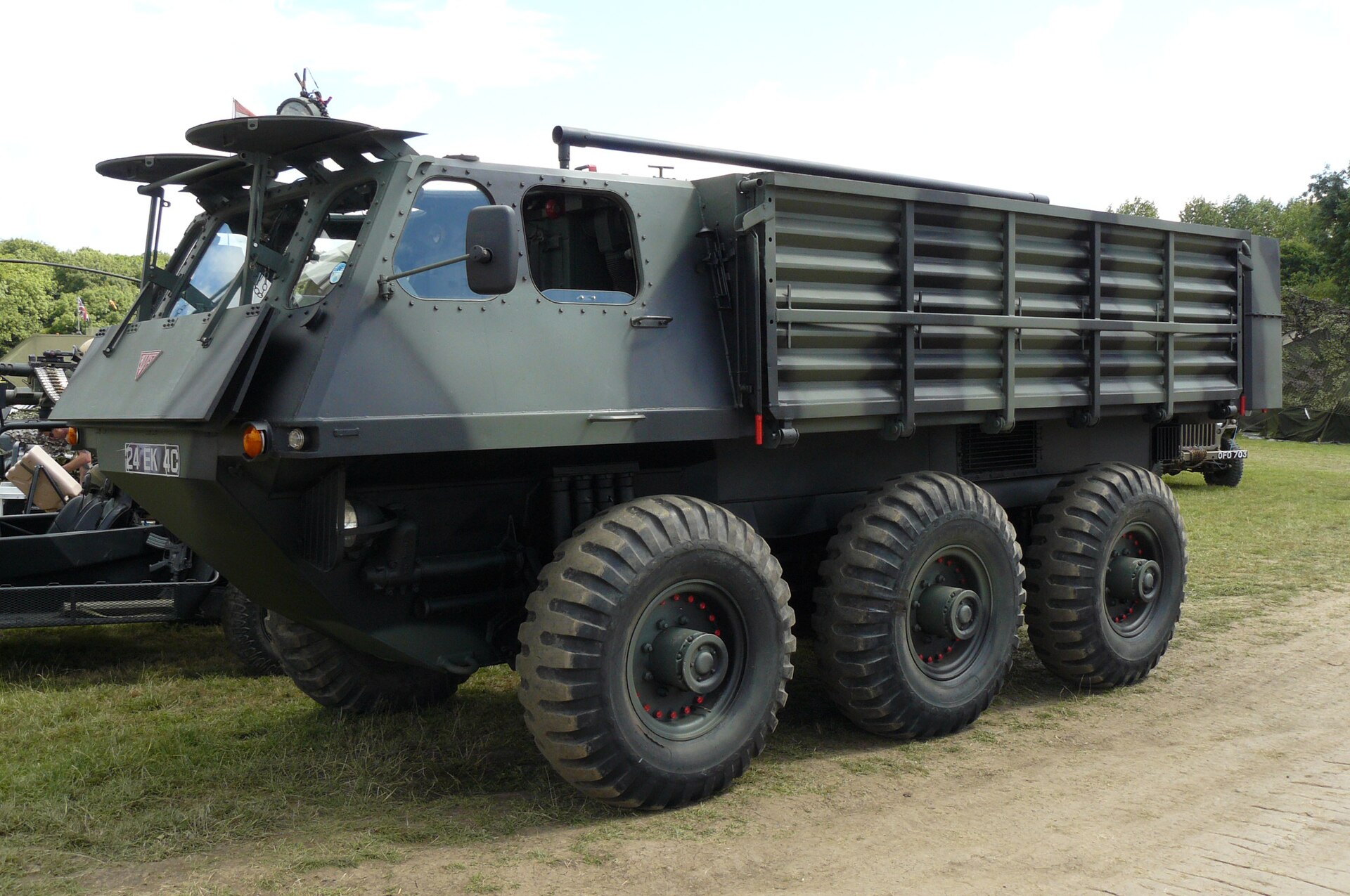 Stalwart Mk 2 (FV622, 623, 624)1966–71 · United Kingdom
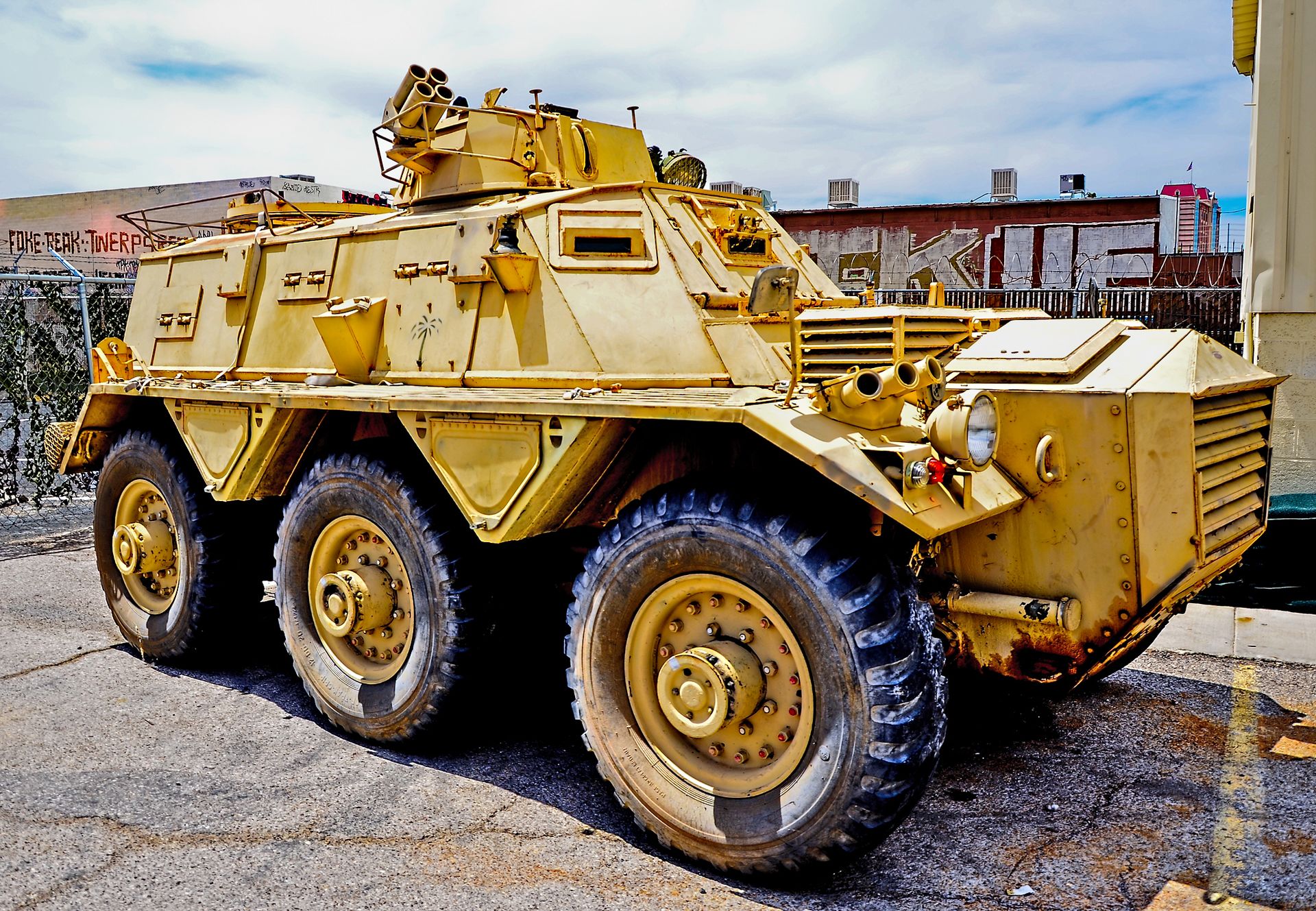 Saracen in Northern Ireland1969–93 · United Kingdom