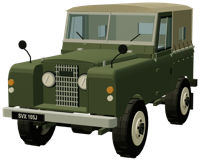
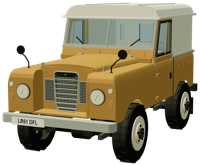
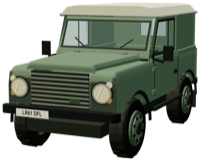
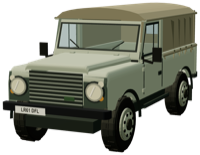
The Gipsy was the cheap answer to the Champ and a direct attack on the Land Rover: rubber springs that rode better across country, a steel body that was cheaper to press — and that rusted where the Land Rover’s aluminium did not. Rural mechanics did not know the Flexitor units, which told against it in the markets that mattered.
It sold to the British Army in small numbers, to the General Post Office, to fire brigades and to farmers, and was assembled in New Zealand, Australia and Colombia. When BMC and Leyland merged in 1968 the Gipsy and the Land Rover were in the same company, and only one of them survived.
Series I and II (1958–1962)
3 VEHICLES IN THIS CHAPTERThe Flexitor cars, the 111-inch long wheelbase, the GPO and fire brigades.
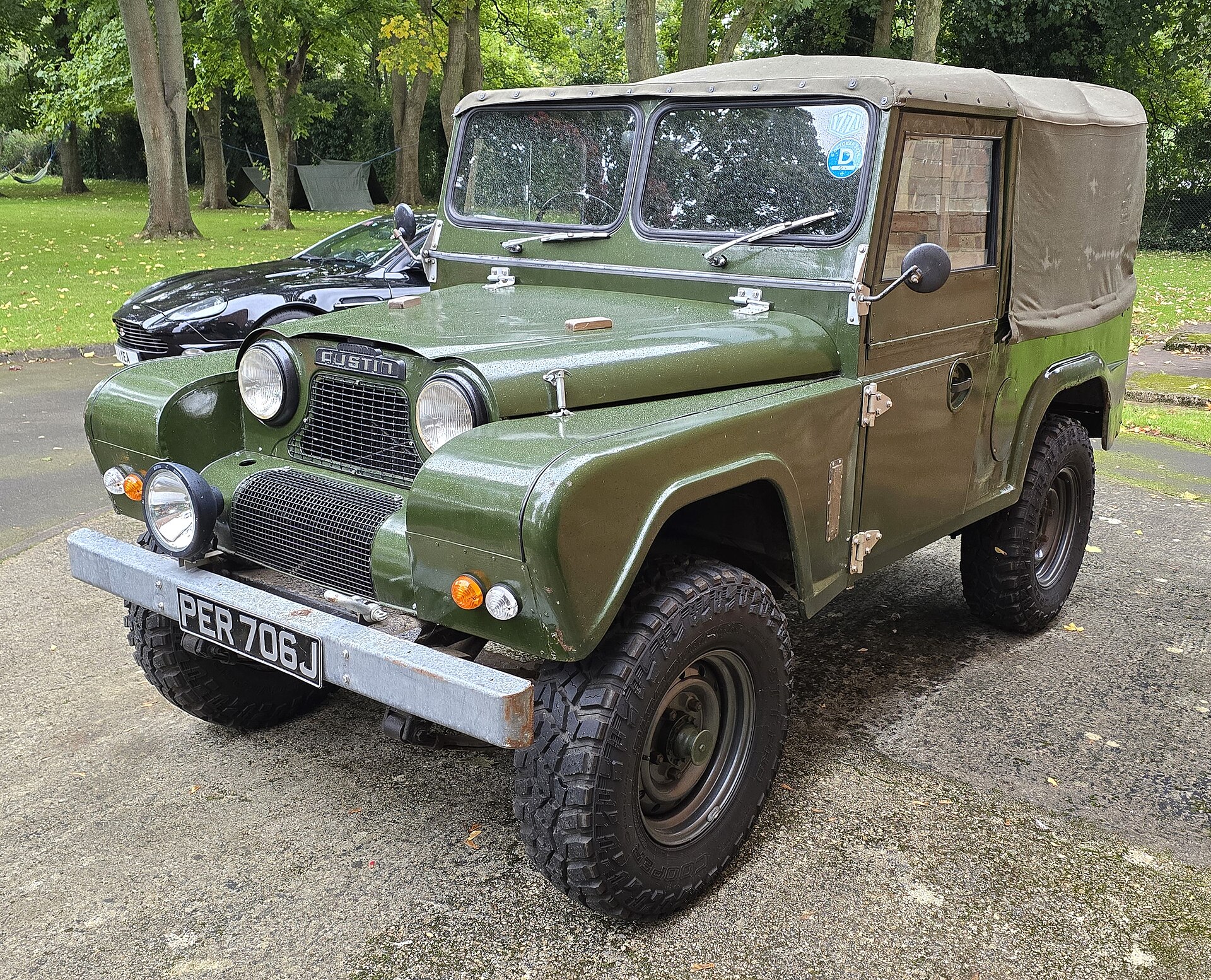
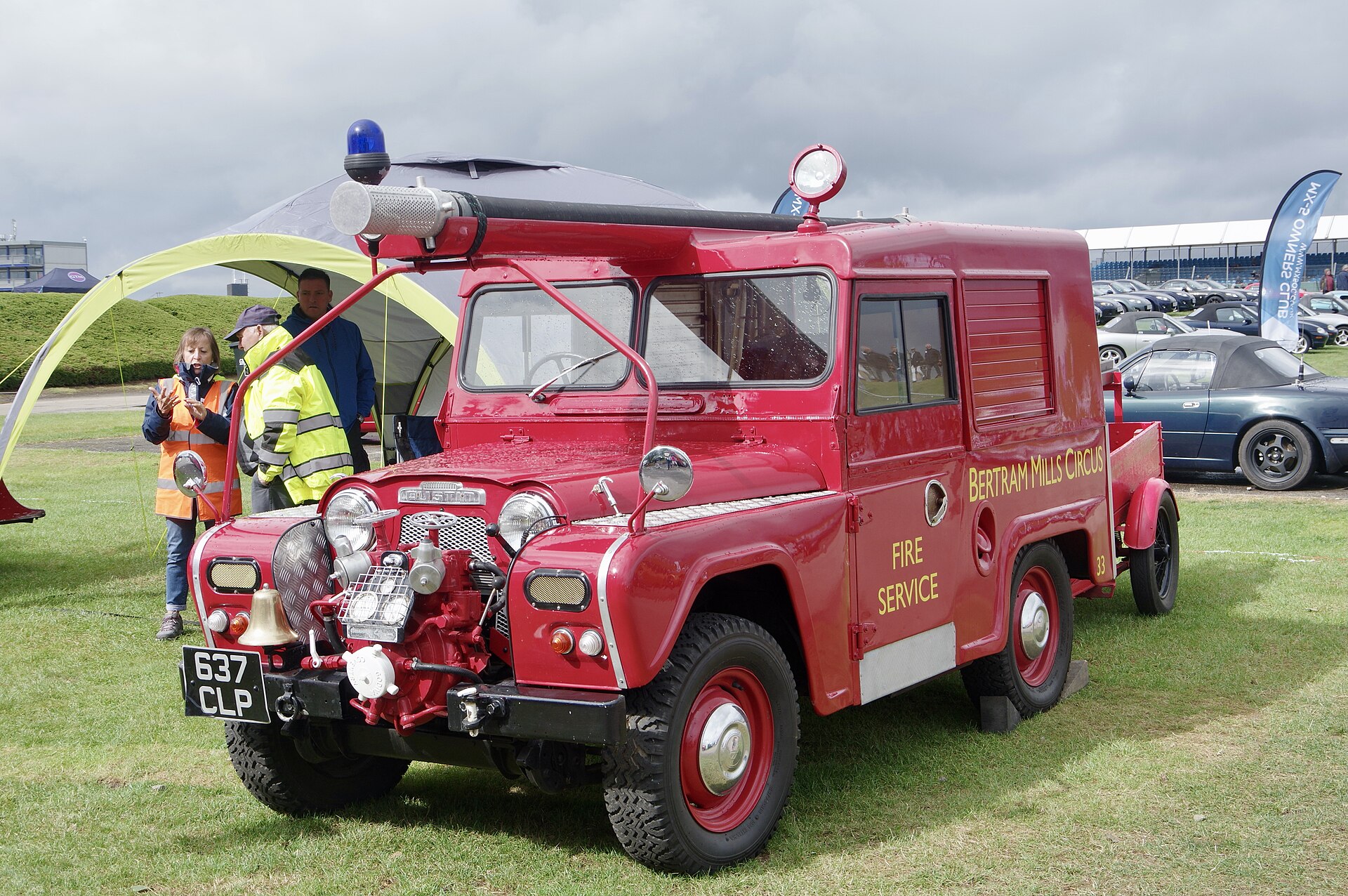
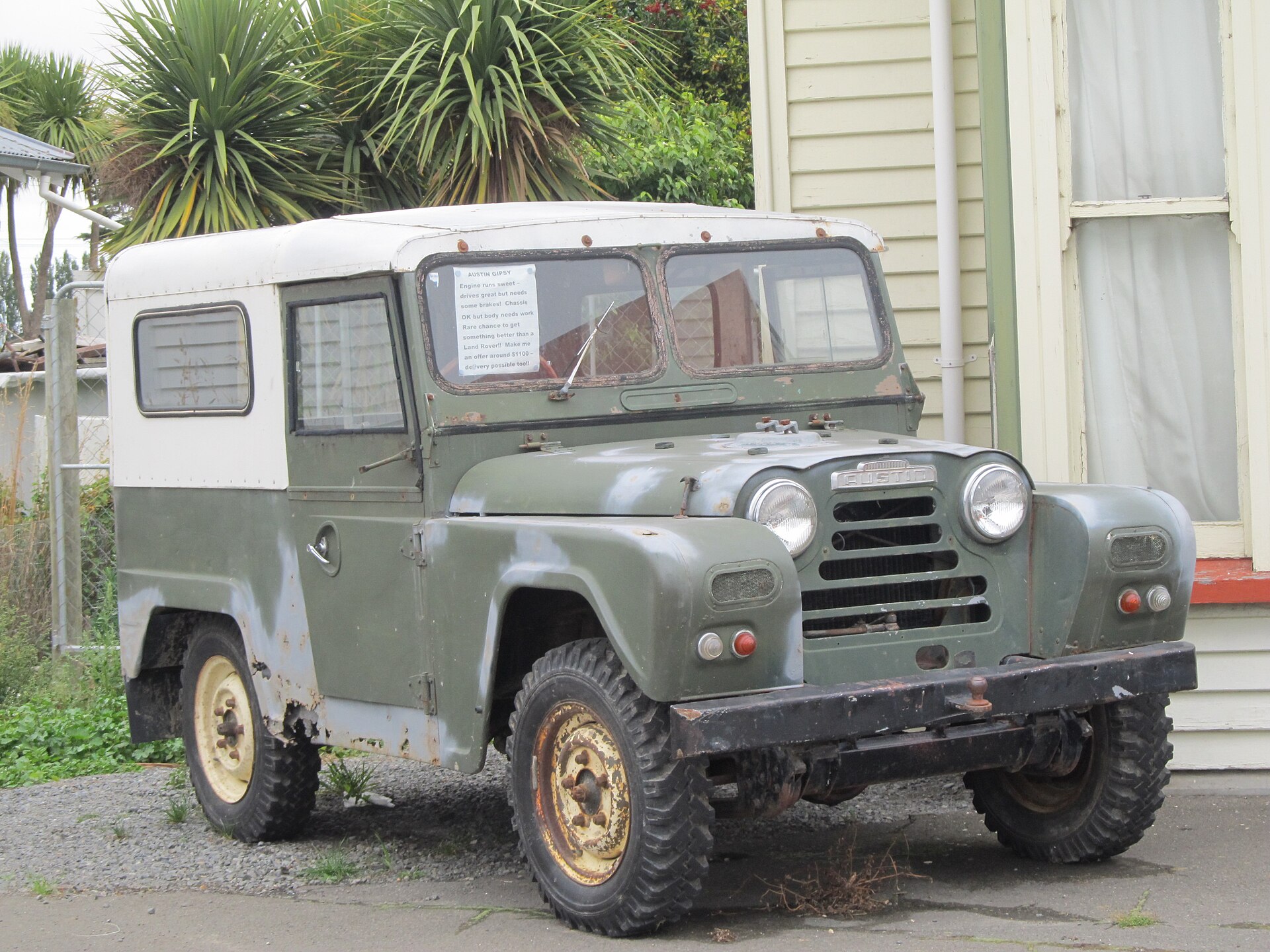
Leaf springs and the end (1962–1968)
2 VEHICLES IN THIS CHAPTERThe beam-axle option, the G4M10, the Army Gipsies, the merger.
Registry records · chapter 2

Base models
The structural configurations the registry and the Creator build from; each page carries the researched specification.In service
Where the registry's Gipsy records worked; each opens the themed history.Sources
- Austin Gipsy — Wikipedia
- Profile — The Austin Gipsy — Moss Motoring