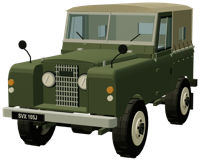
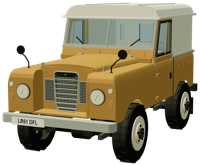
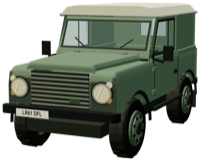
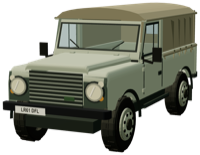
Daihatsu sold its 4x4s to people who worked them: the Taft to Japanese farmers and foresters and, as the Wildcat, Scat and Pionier, to Australian stations and Austrian mountain farms; the Rugger and Fourtrak to British agriculture, where the 2.8 turbo-diesel and its towing capacity made it the Land Rover’s cheaper rival through the 1980s and 1990s.
In Indonesia Astra Daihatsu’s Taft and Hiline were the plantation, provincial-government and police 4x4 for over twenty years, and the F300 Feroza the small 4x4 of European and Australian towns.
Taft (1974–1984)
3 VEHICLES IN THIS CHAPTERJapanese, Australian and Alpine farms and forests.
Registry records · chapter 1
Rugger and Fourtrak (1984–2007)
5 VEHICLES IN THIS CHAPTERBritish agriculture, the Australian bush, the Indonesian plantations.
Registry records · chapter 2
F300 (1989–2002)
2 VEHICLES IN THIS CHAPTERThe Feroza and Sportrak.
Registry records · chapter 3
Sources
- Daihatsu Taft (F10) — Wikipedia
- Daihatsu Rugger — Wikipedia
- Daihatsu Rocky (F300) — Wikipedia
Working vehicles in the registry
10 records, oldest first.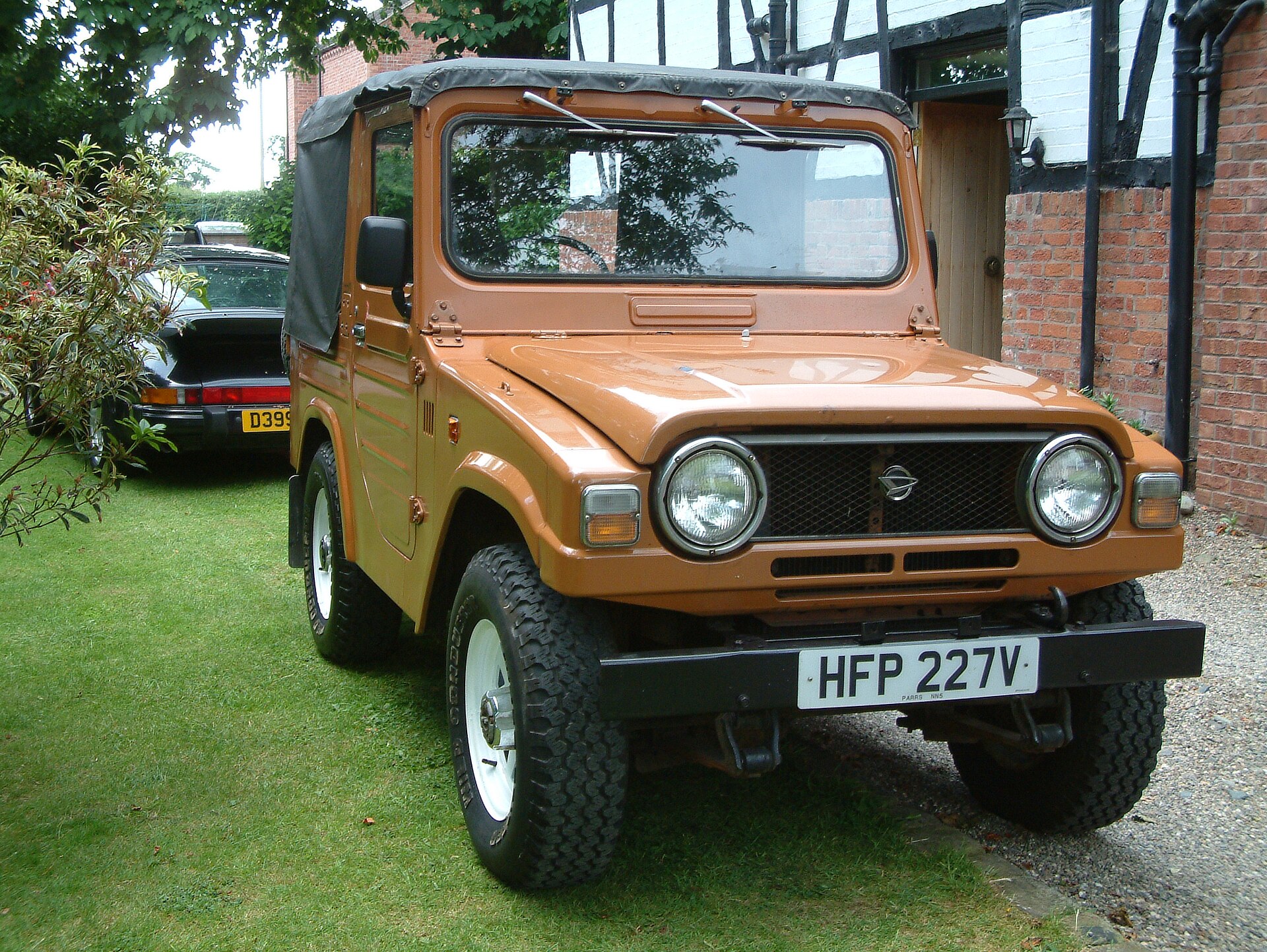 Taft F10–F60 (1974–84)1974–84 · Japan
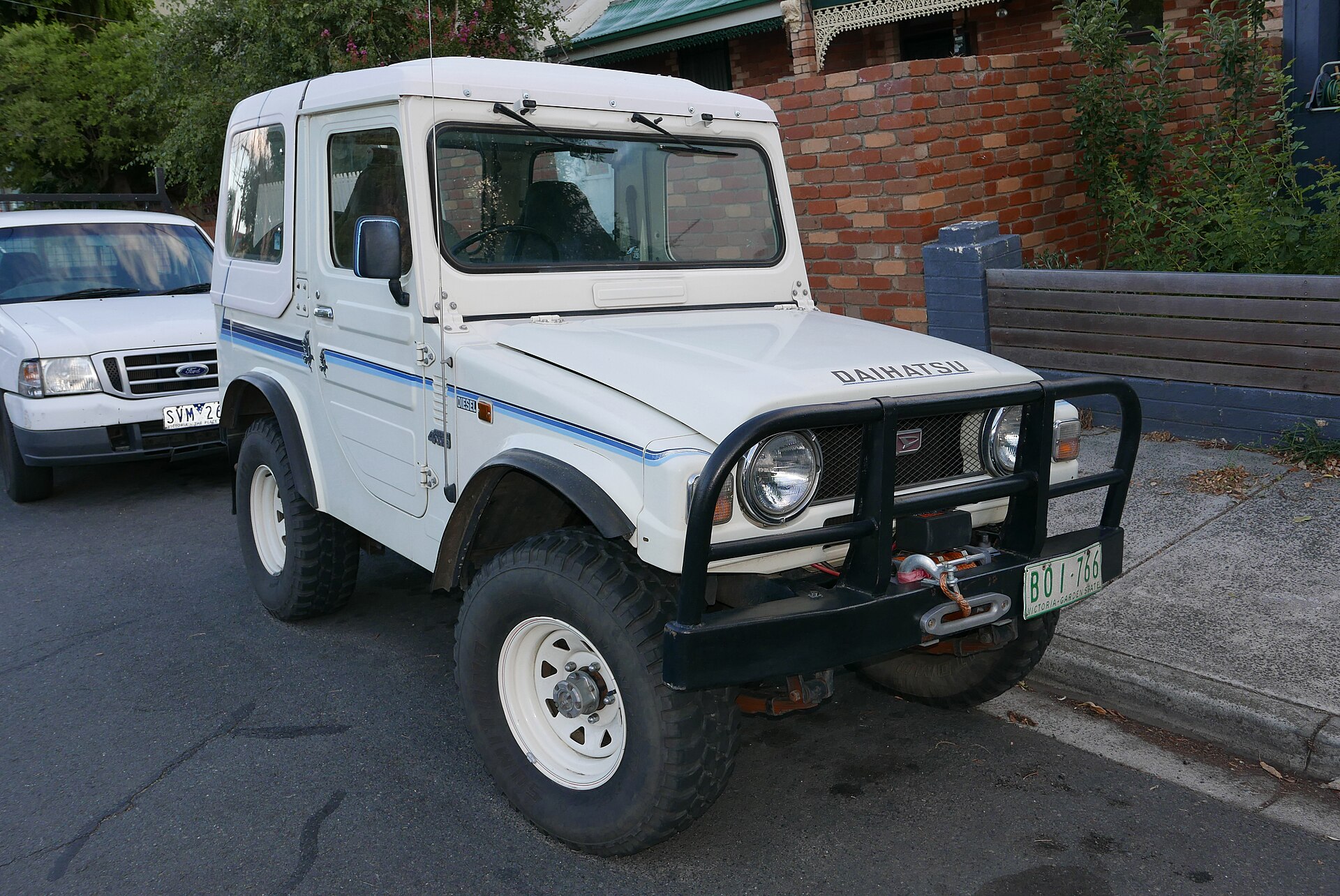 Taft Scat (Germany) and Pionier (Austria)1976–84 · Japan
 Taft Wildcat (Australia)1976–84 · Japan
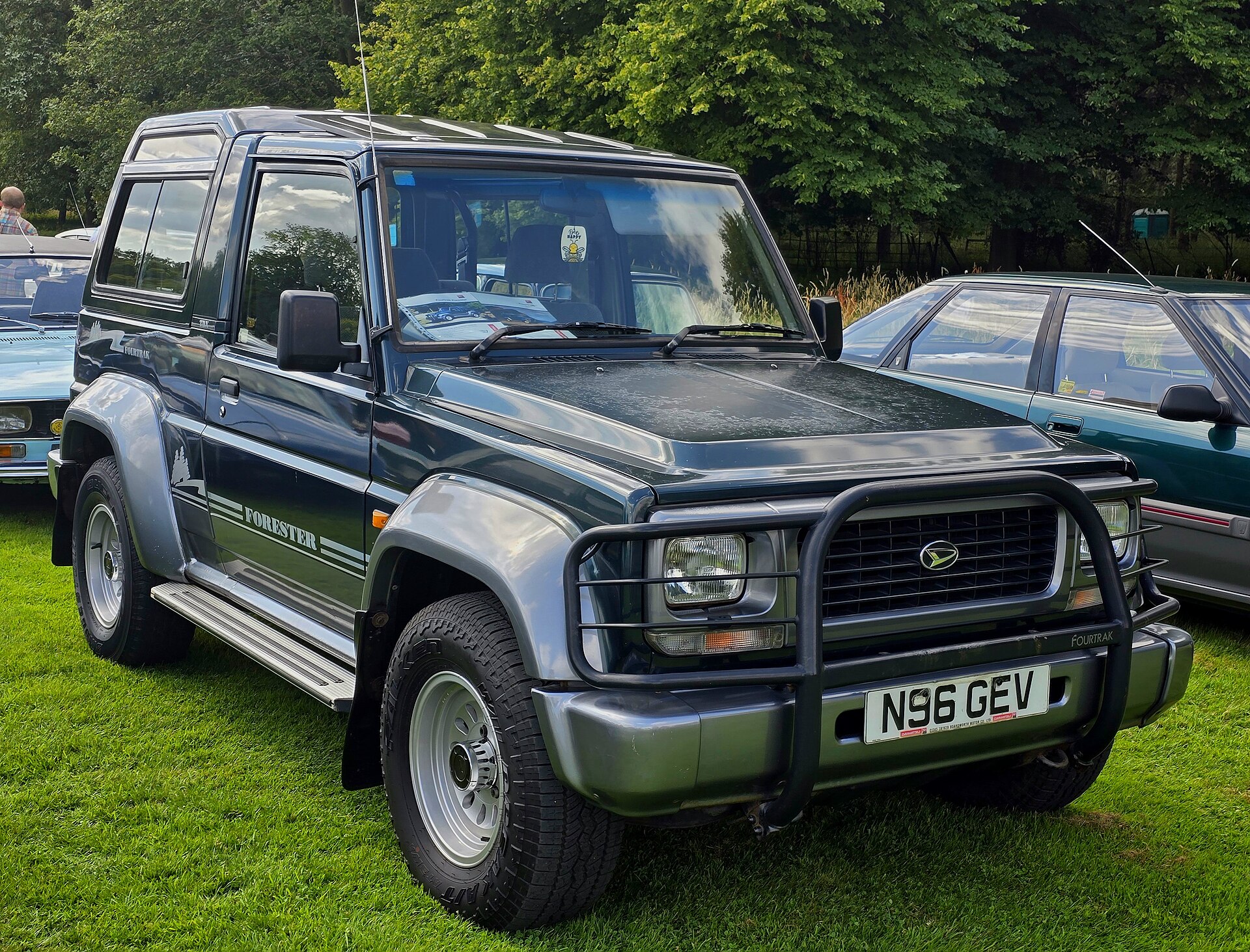 Fourtrak (United Kingdom, 1984–2002)1984–2002 · Japan
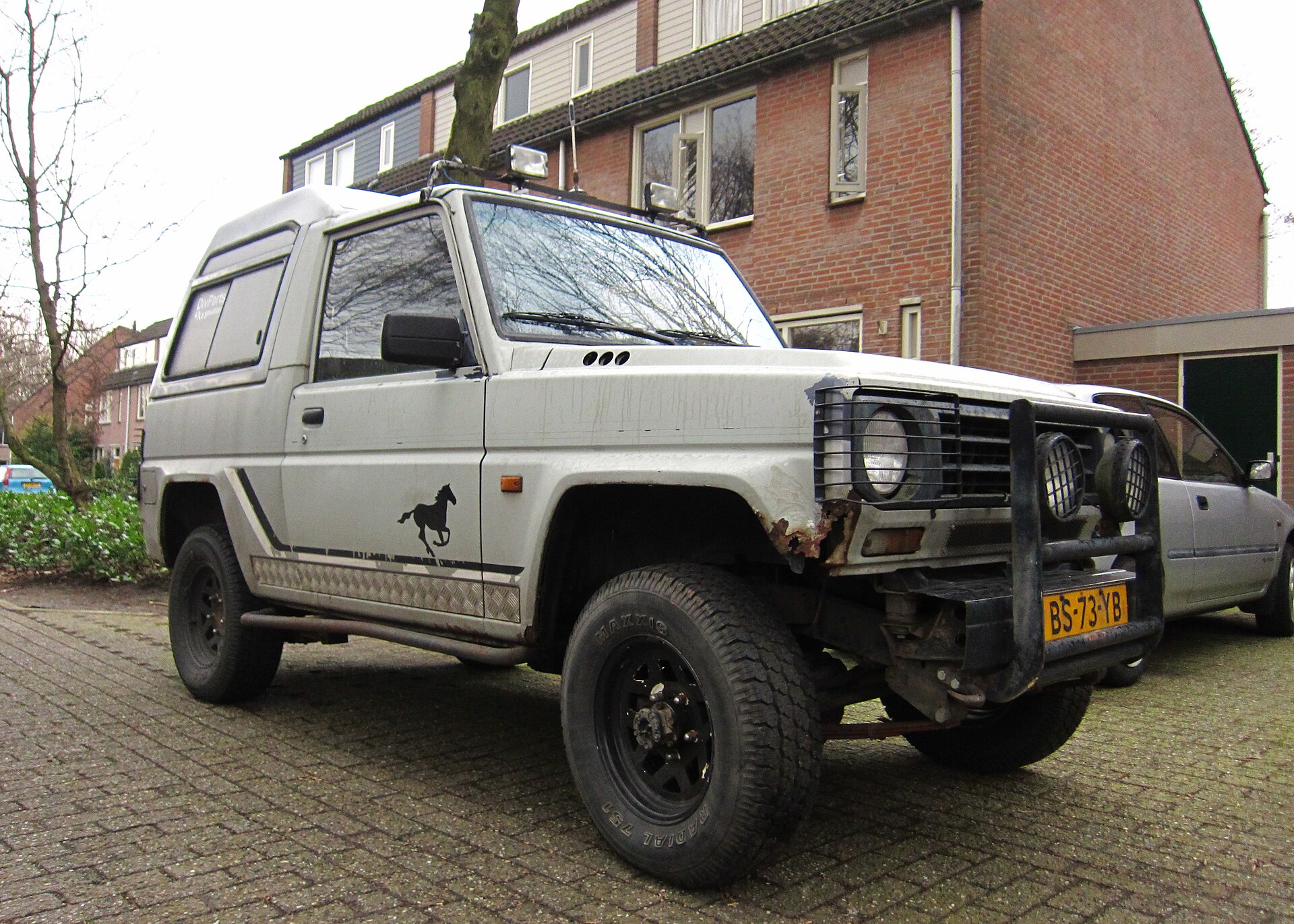 Rocky (Australia and Europe, 1984–2002)1984–2002 · Japan
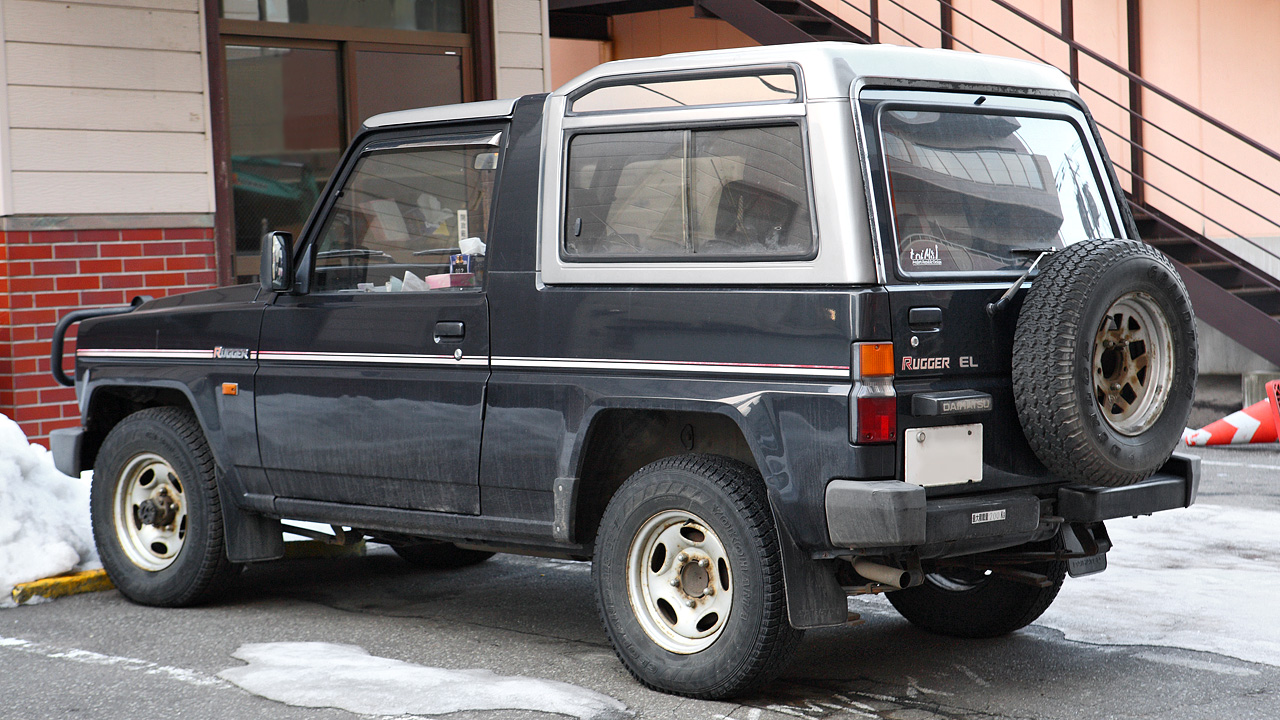 Rugger / Fourtrak / Rocky F70 (short, 1984–2002)1984–2002 · Japan
 Rugger / Fourtrak / Rocky F75 and F78 (long, 1984–2002)1984–2002 · Japan
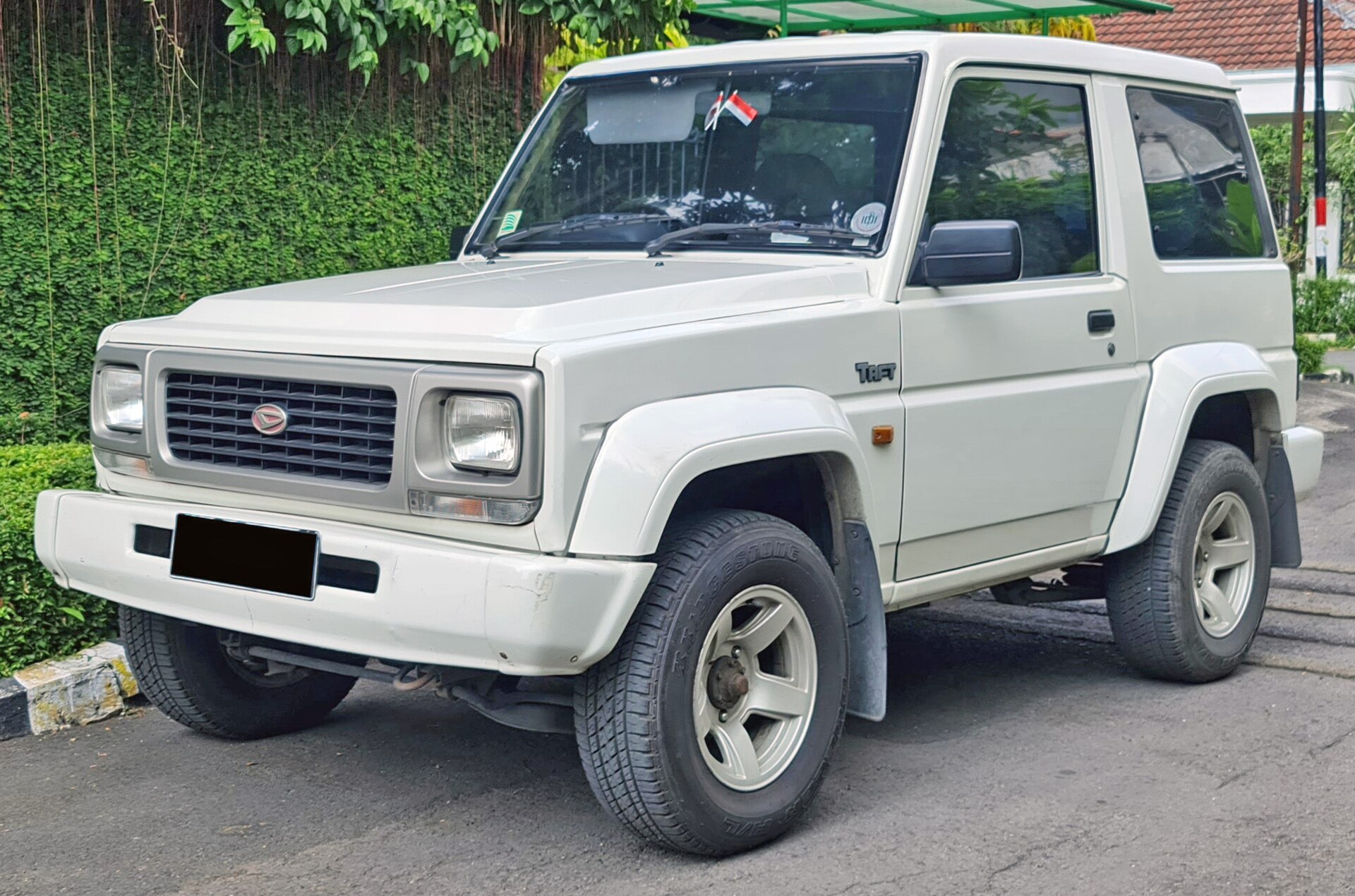 Taft GT, Rocky and Hiline (Astra Daihatsu, Indonesia, 1984–2007)1984–2007 · Indonesia
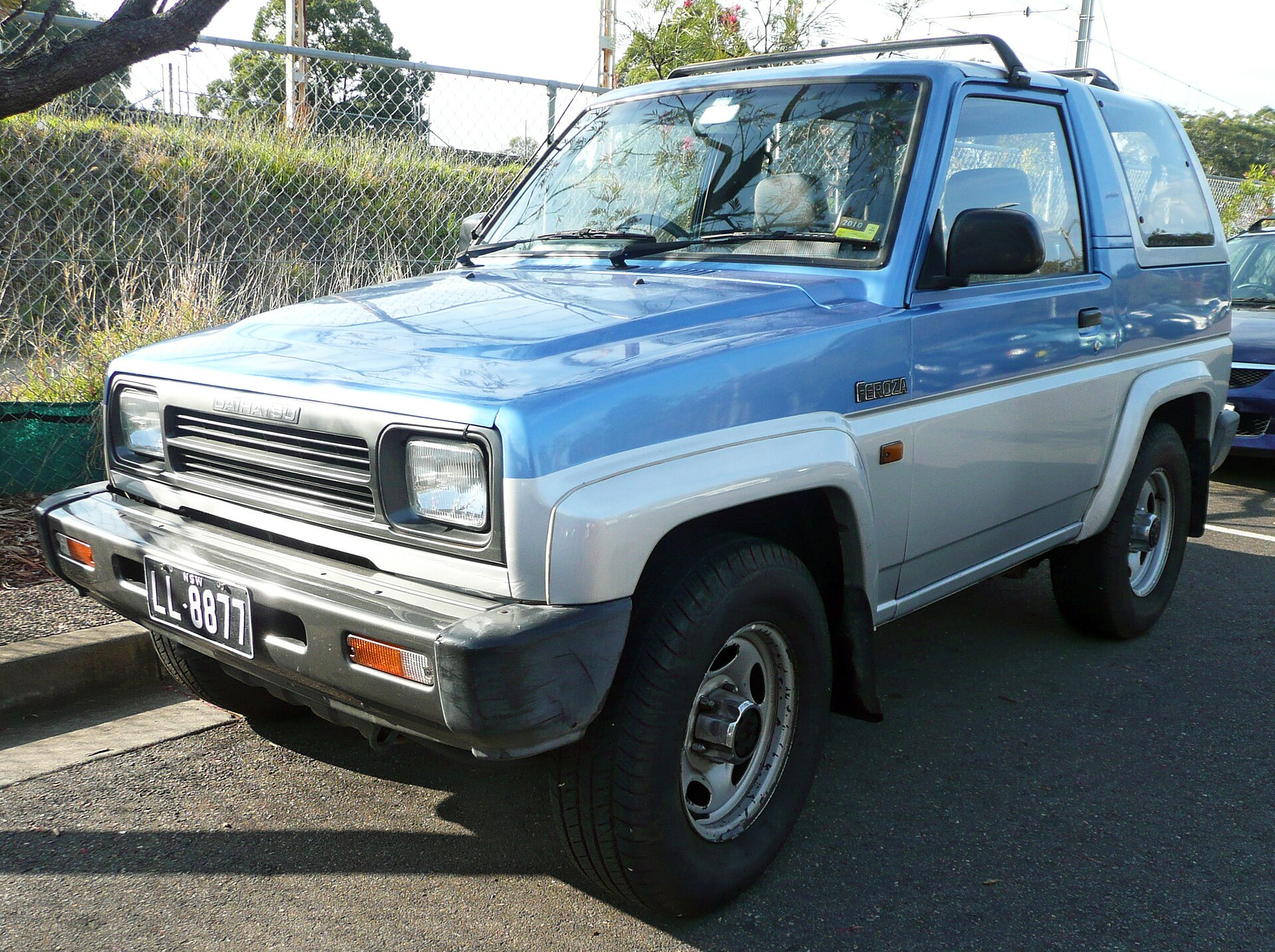 Feroza and Sportrak (1989–99)1989–99 · Japan
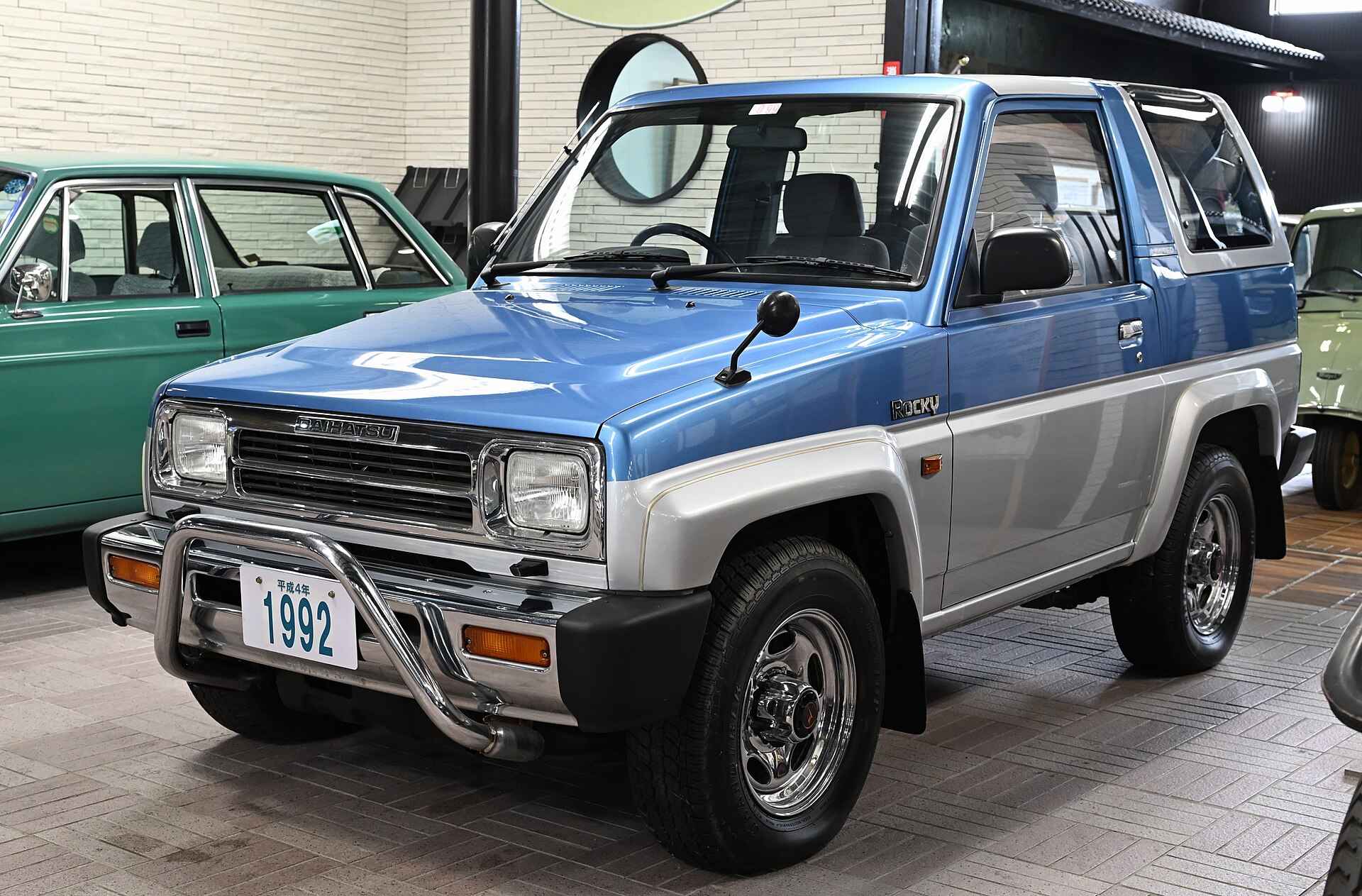 Rocky / Feroza / Sportrak F300 (1989–2002)1989–2002 · Japan