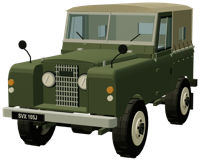
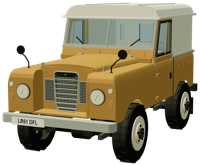
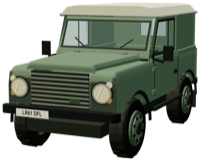
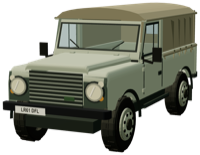
Dodge sold the Power Wagon on what it could do: a wartime chassis, a 126-inch wheelbase, a power take-off and a winch, bought by oil companies, rural electric co-operatives, forestry services and fire brigades who kept them for decades. The W-series carried that trade into the 1970s and 1980s with crew cabs and one-ton duallies.
The Cummins of 1989 changed the market: a commercial diesel in a pick-up made the W250 and W350 the towing trucks of farms, horse transport and construction, and the revived Power Wagon of 2005 — lockers front and rear, a disconnecting anti-roll bar and a 12,000 lb winch — is the working heavy-duty 4x4 of today.
Power Wagon (1946–1978)
2 VEHICLES IN THIS CHAPTERFarms, oilfields, utilities and fire brigades; the Town Wagon.
Registry records · chapter 1
W-series and the diesel (1957–1993)
3 VEHICLES IN THIS CHAPTERCrew cabs, duallies, the Cummins of 1989.
Ram (1994–)
2 VEHICLES IN THIS CHAPTERThe Cummins heavy duties and the Power Wagon of 2005.
Registry records · chapter 3
Sources
- Dodge Power Wagon — Wikipedia
- Ram Pickup — Wikipedia
Working vehicles in the registry
7 records, oldest first. Power Wagon WDX (1946–78)1946–78 · United States
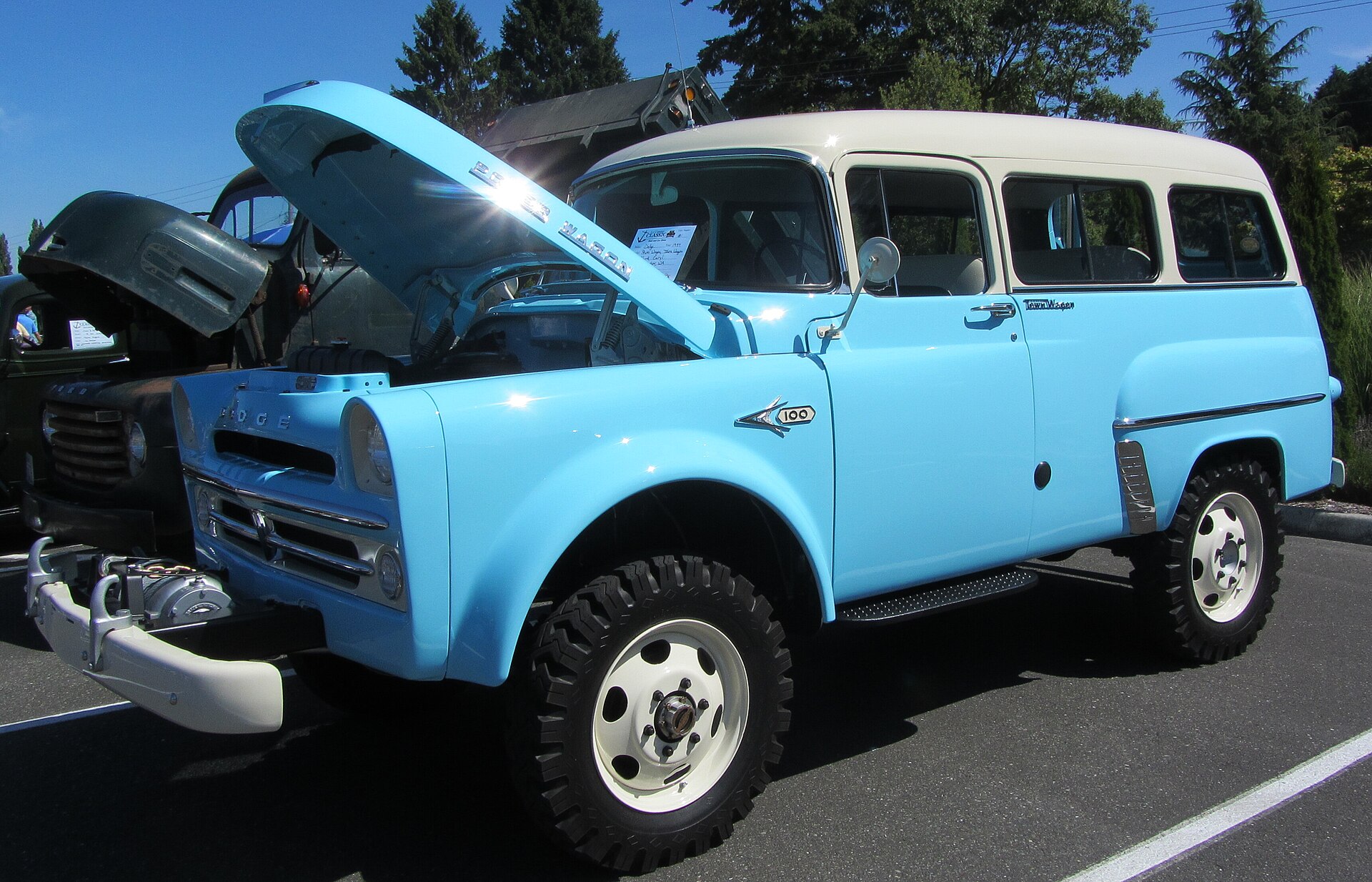 Power Wagon Town Wagon (1954–66)1954–66 · United States
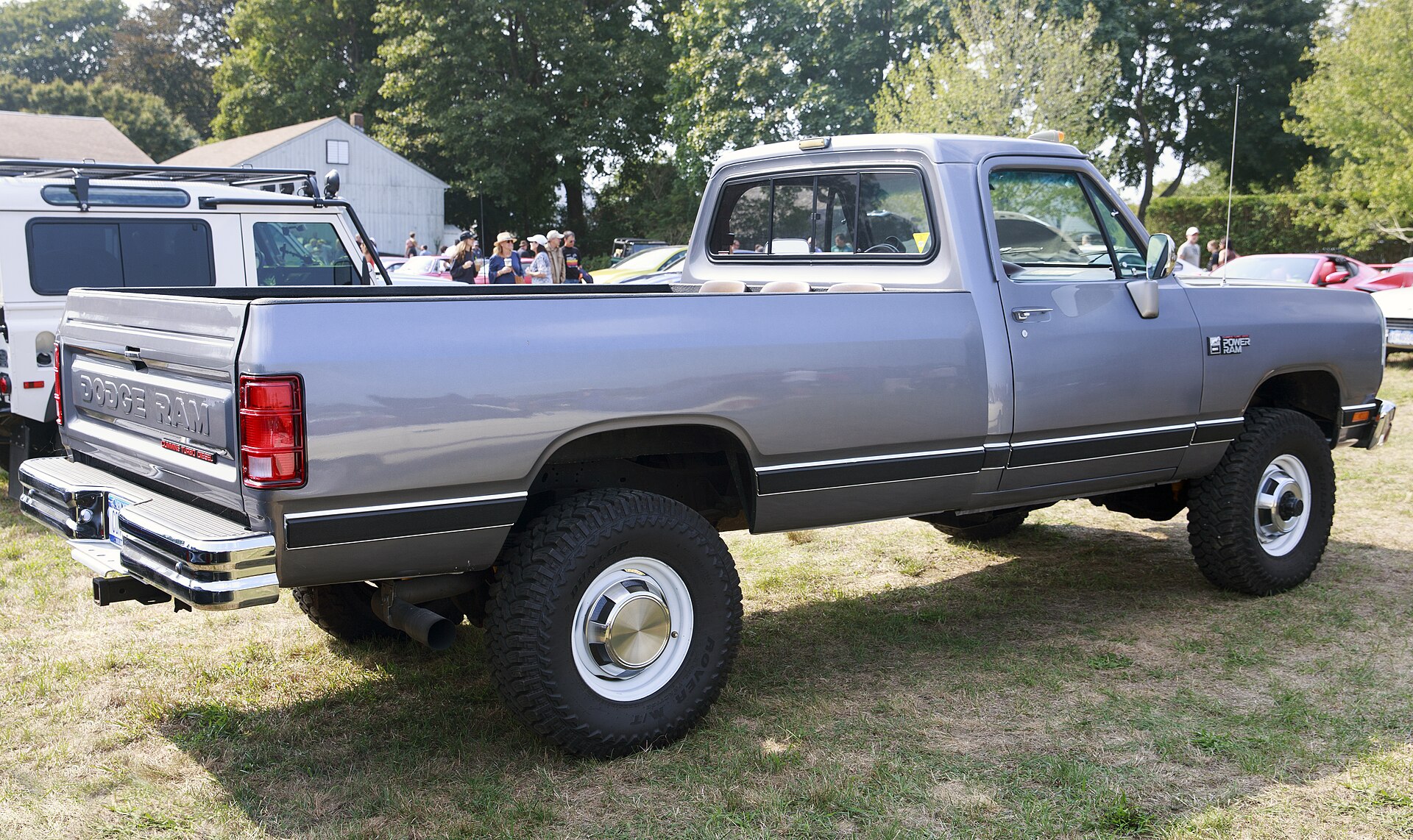 W-series: W100 to W350 and Ram W (1957–93)1957–93 · United States
 W200 and W300 crew cab (1963–93)1963–93 · United States
 Ram 2500/3500 Cummins 4x4 (1989–)1989 · United States
 Ram 1500, 2500 and 3500 4x4 (1994–)1994 · United States
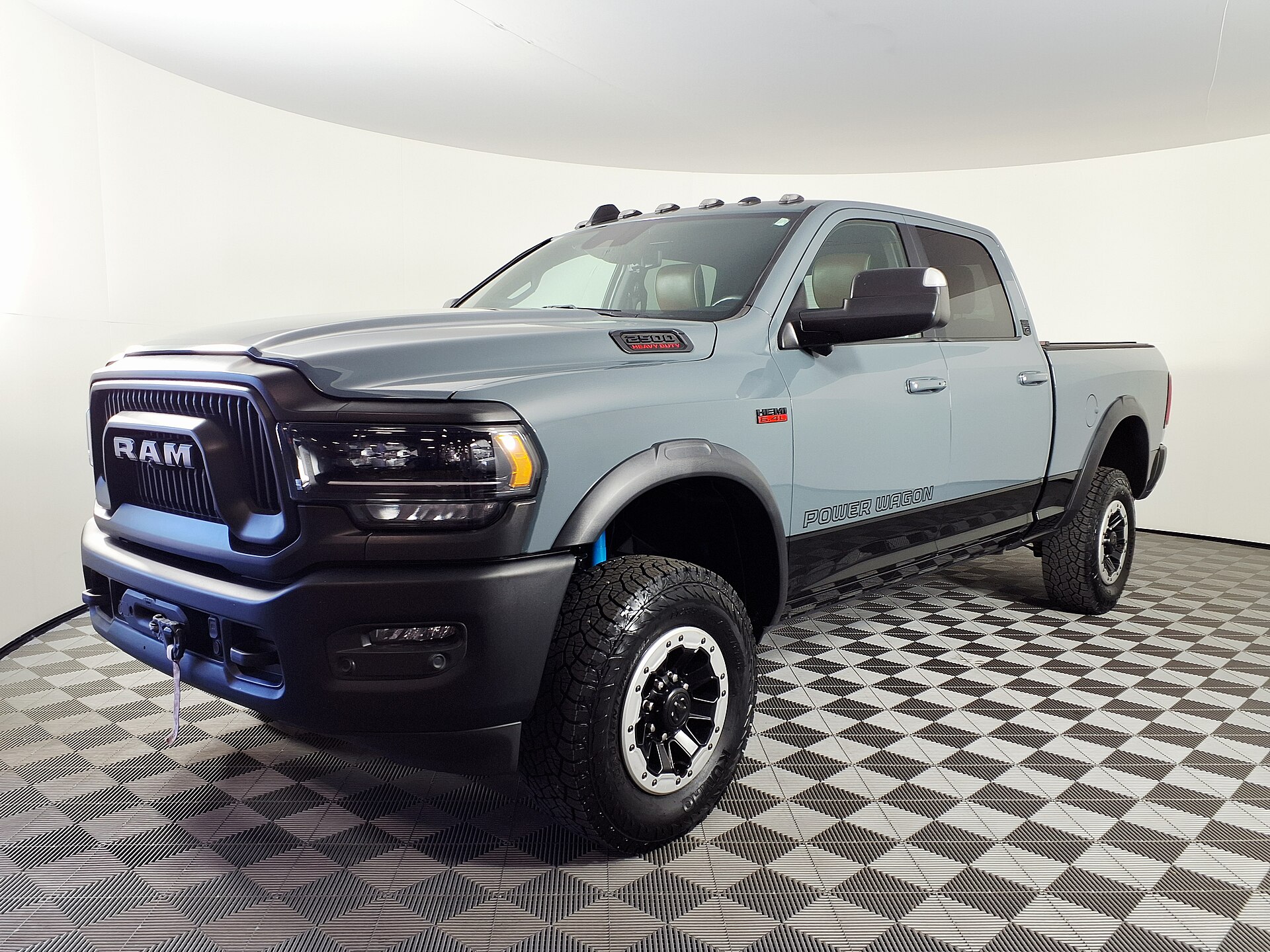 Power Wagon (2005–)2005 · United States