The Niva was designed for rural Soviet work — the vet’s car, the forester’s car, the agronomist’s car — and it did that job for forty years across the Union and then across Russia. Its unibody made it light and its permanent four-wheel drive made it capable on the farm tracks and winter roads it was built for.
Abroad, the Niva sold as a cheap capable small 4x4 in France, Canada, Britain and Japan and took on expedition work its makers did not plan: the Antarctic stations, the Tibetan altitude record and the Dakar entries of the 1980s. Bronto’s low-pressure-tyre conversions are its specialist end, built for Siberian marsh and tundra.
Soviet rural service (1977–1991)
2 VEHICLES IN THIS CHAPTERFarms, vets, foresters, geologists; the amphibious 2122 prototype.
Registry records · chapter 1
Expedition and sport
2 VEHICLES IN THIS CHAPTERThe Dakar Nivas, Antarctica, the Tibetan altitude record.
Registry records · chapter 2
Russia and export (1993–)
5 VEHICLES IN THIS CHAPTERThe 2131 and 2329, Bronto, the British Cossack, the diesel, the Niva Travel.
Sources
Working vehicles in the registry
9 records, oldest first.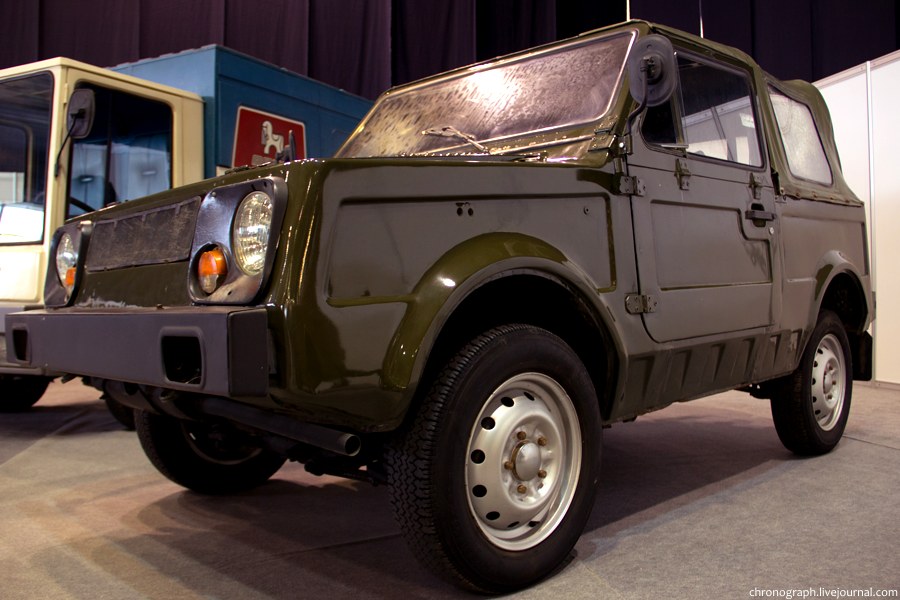 VAZ-2122 Reka amphibious prototype (1976–85)1976–85 · Russia
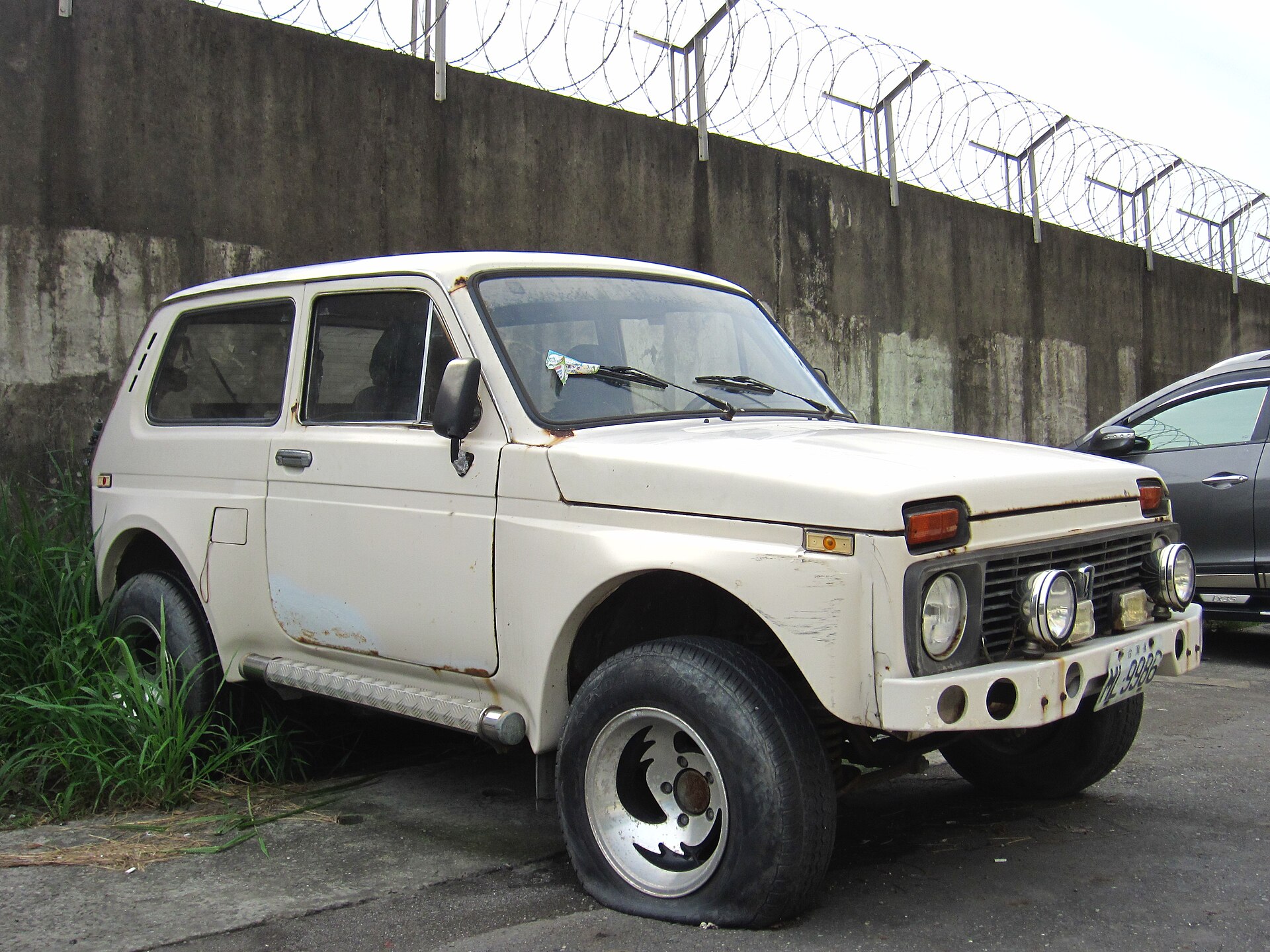 Niva VAZ-2121 and 21213 (1977–)1977 · Russia
 Niva in the Paris–Dakar (1980s)1981–90 · Russia
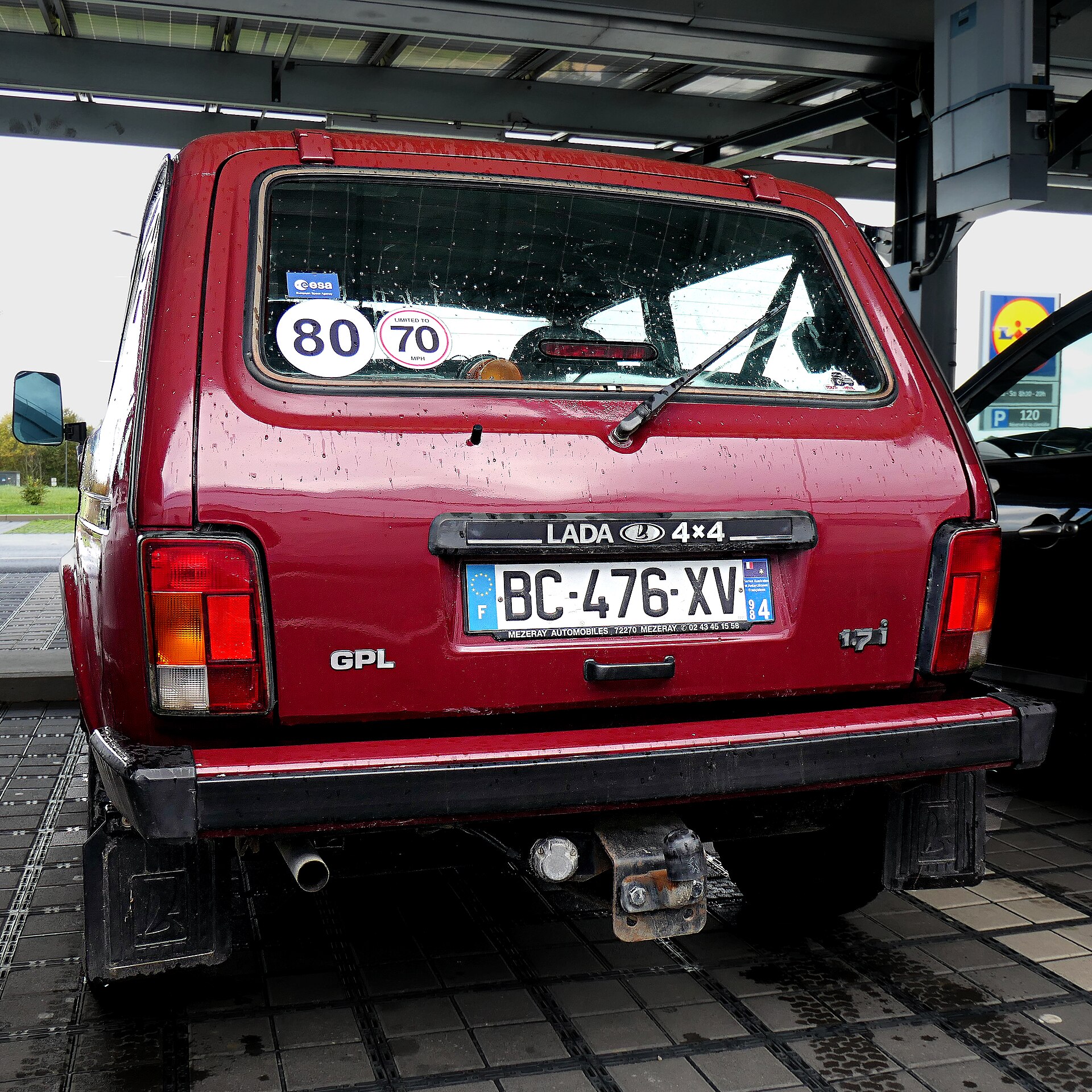 Niva in Antarctica and at altitude1990 · Russia
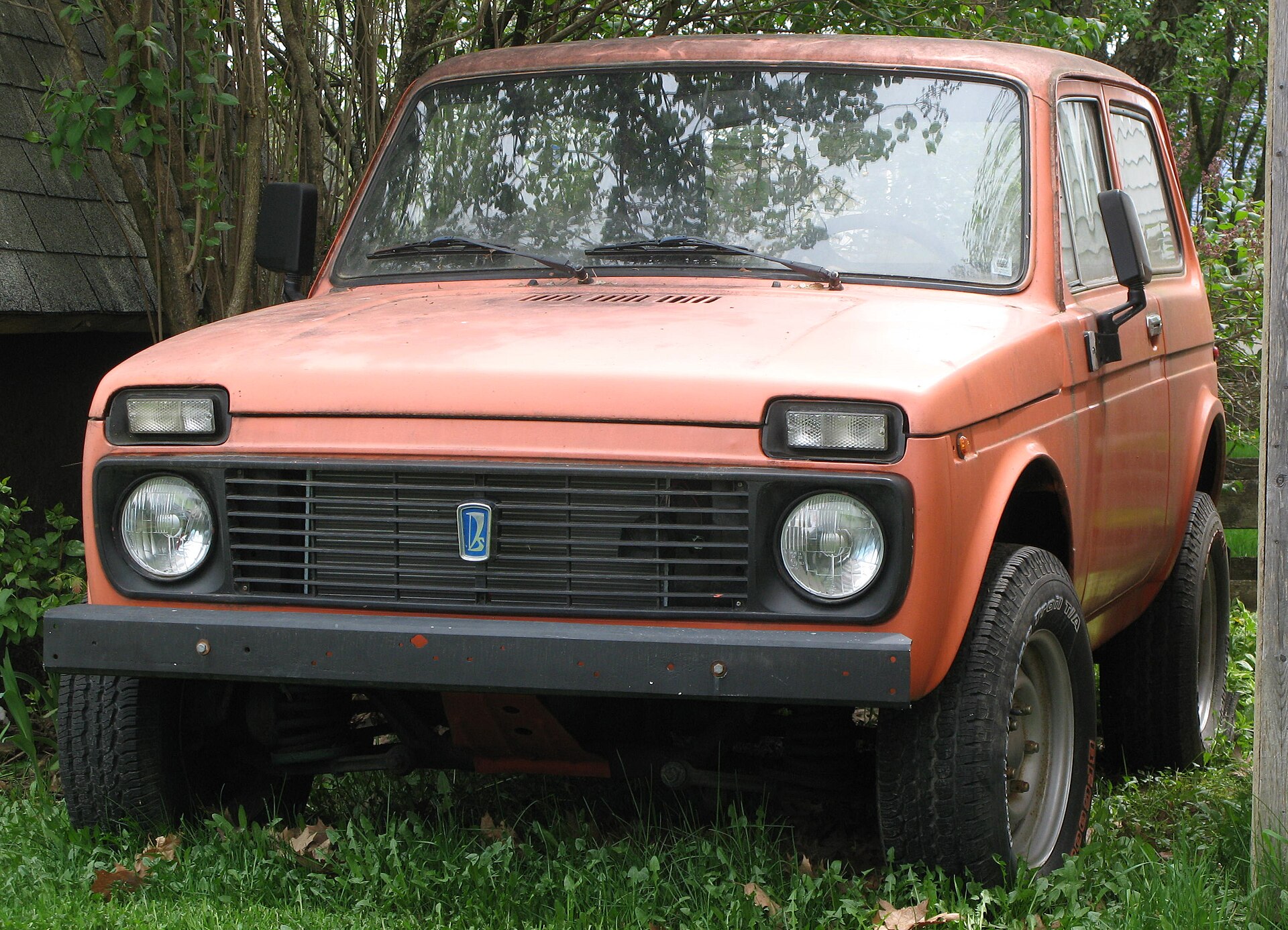 Niva Cossack and Hussar (United Kingdom, 1995–97)1995–97 · Russia
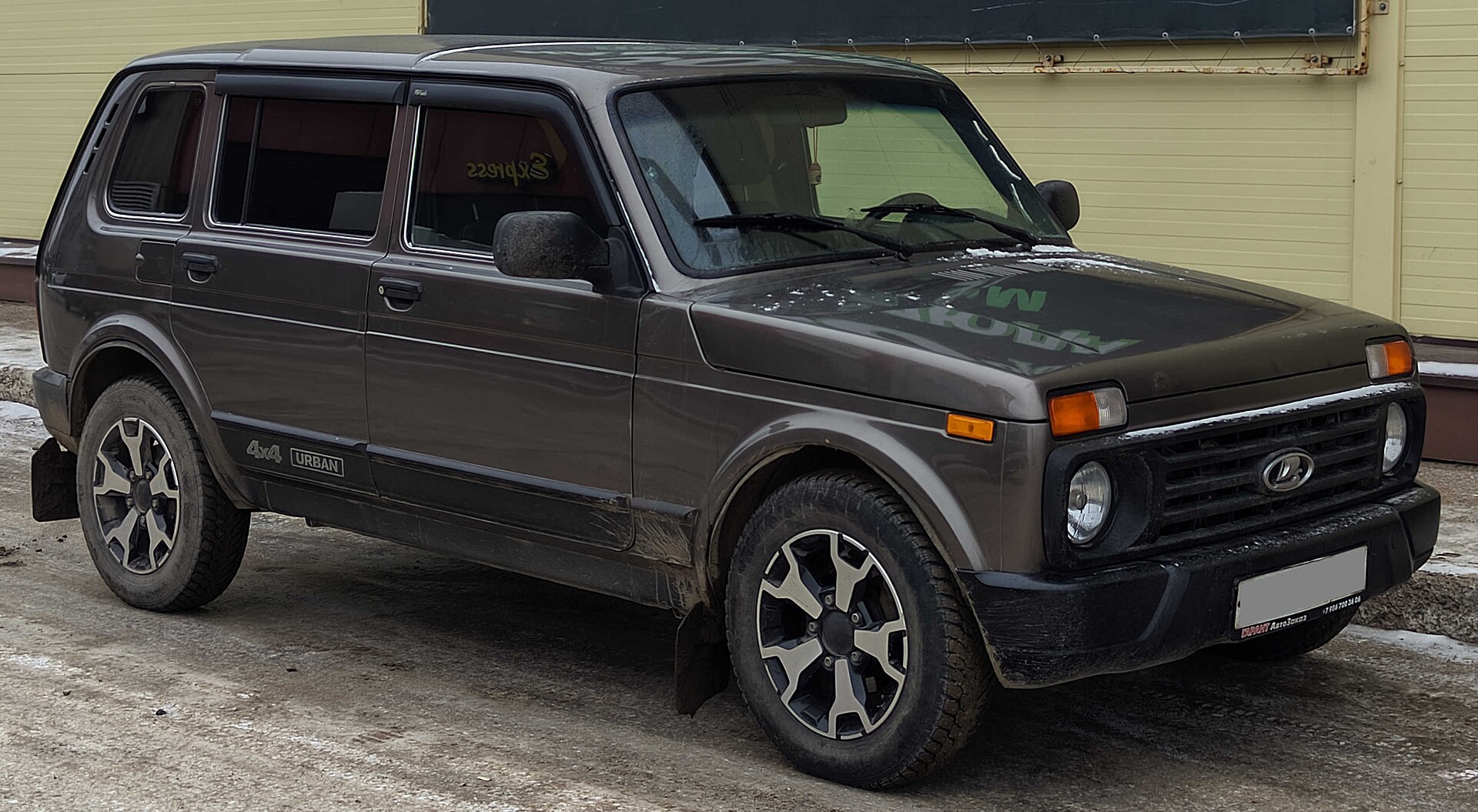 Niva VAZ-2131 five-door and 2329 pick-up (1995–)1995 · Russia
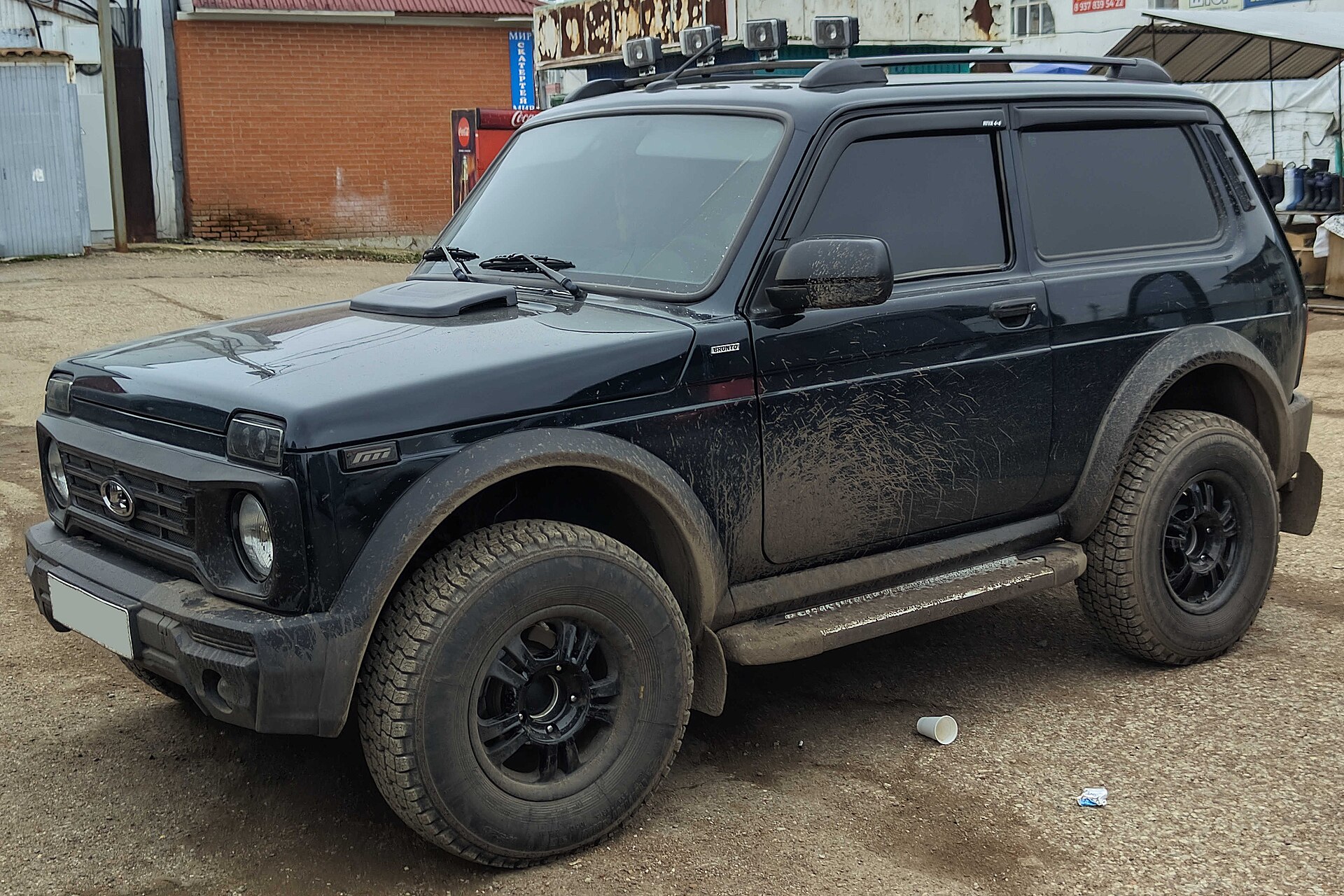 Bronto Niva conversions (1997–)1997 · RussiaNiva 1.9 diesel (1999–2007)1999–2007 · Russia
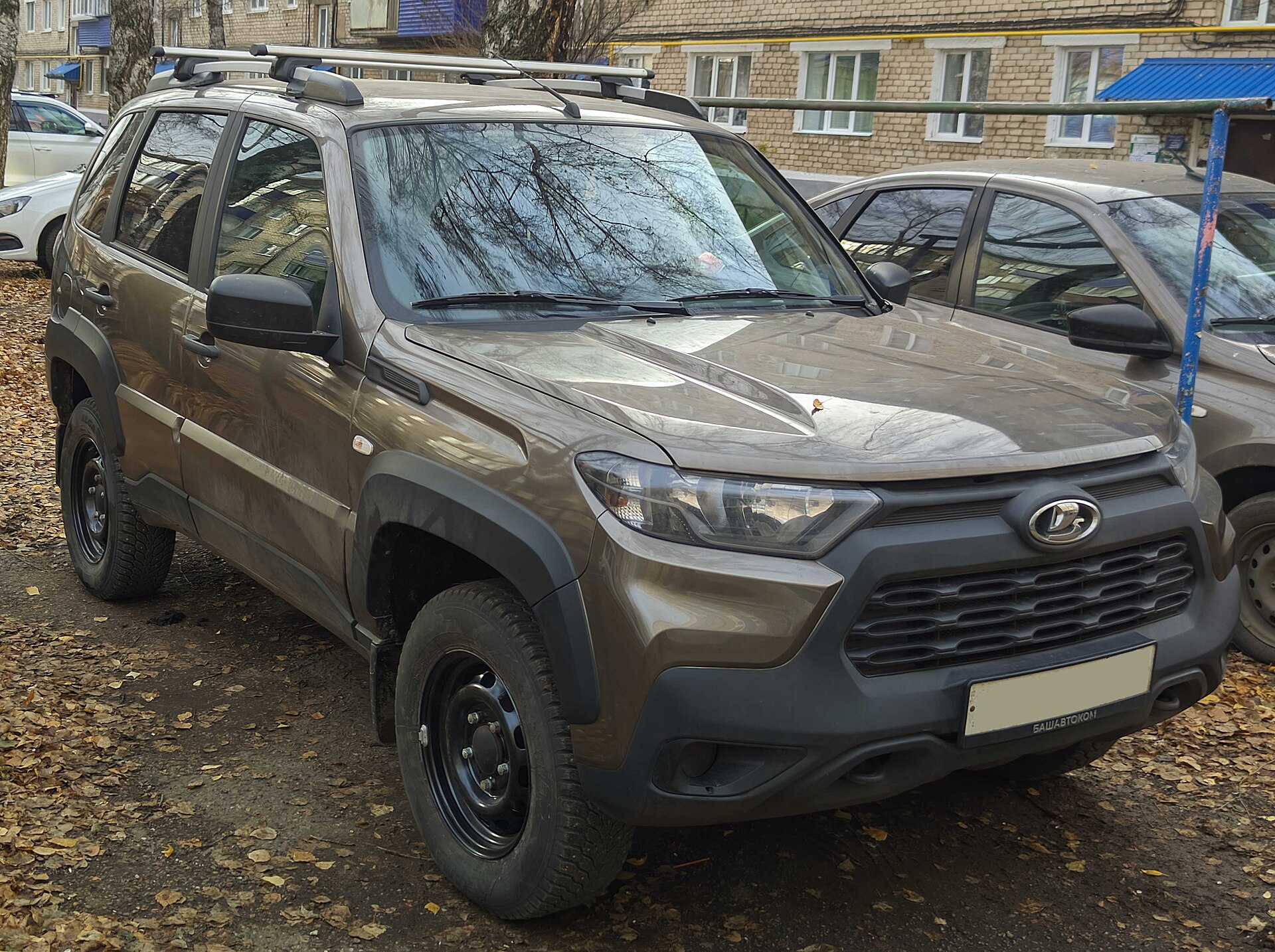 Chevrolet Niva and Niva Travel (2002–)2002 · Russia