4x4s.org NAMED MODEL · 1980s
NAMED MODELMilitary · South AfricaSouth AfricaGermany

Kwêvoël 100

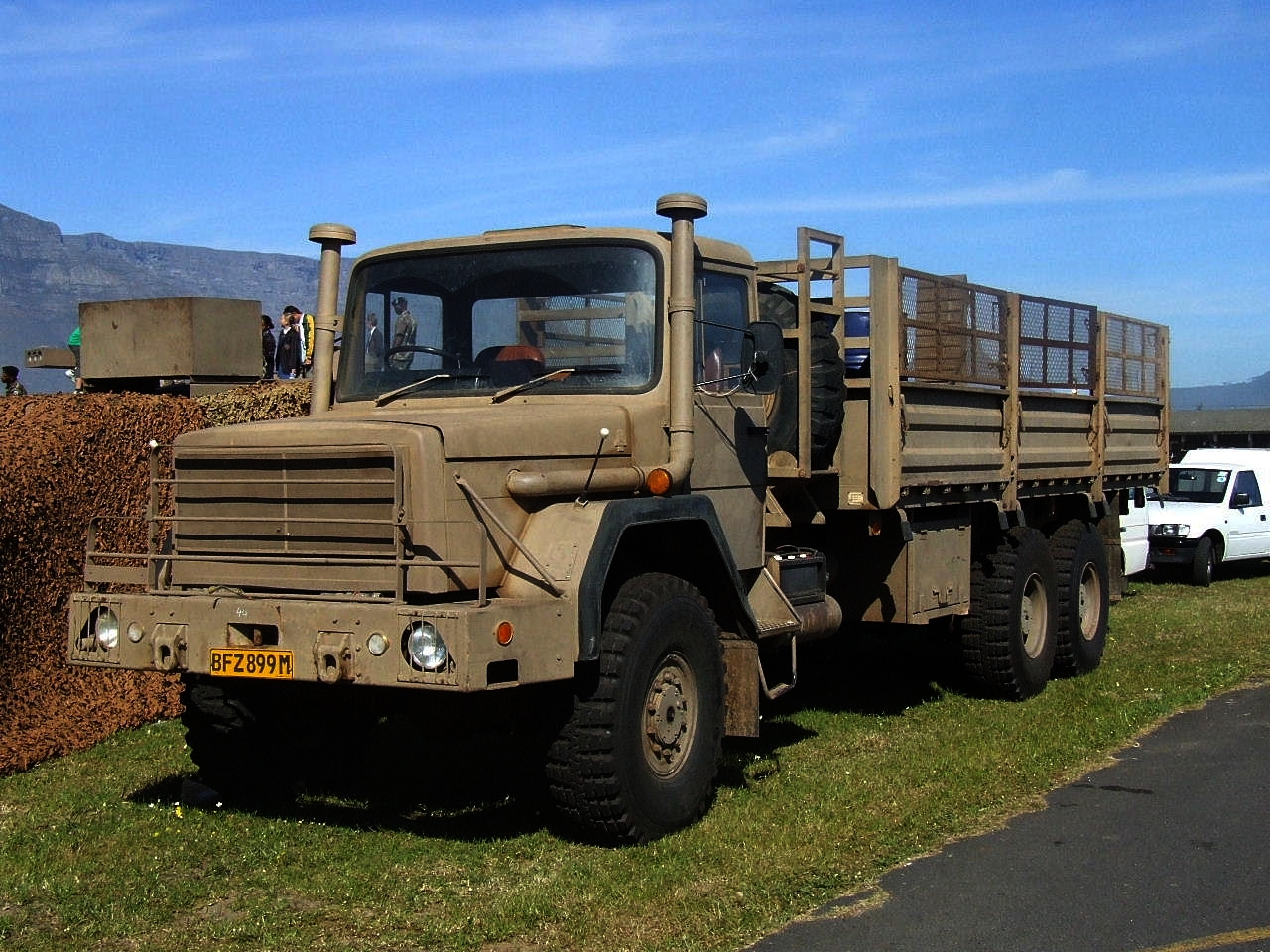
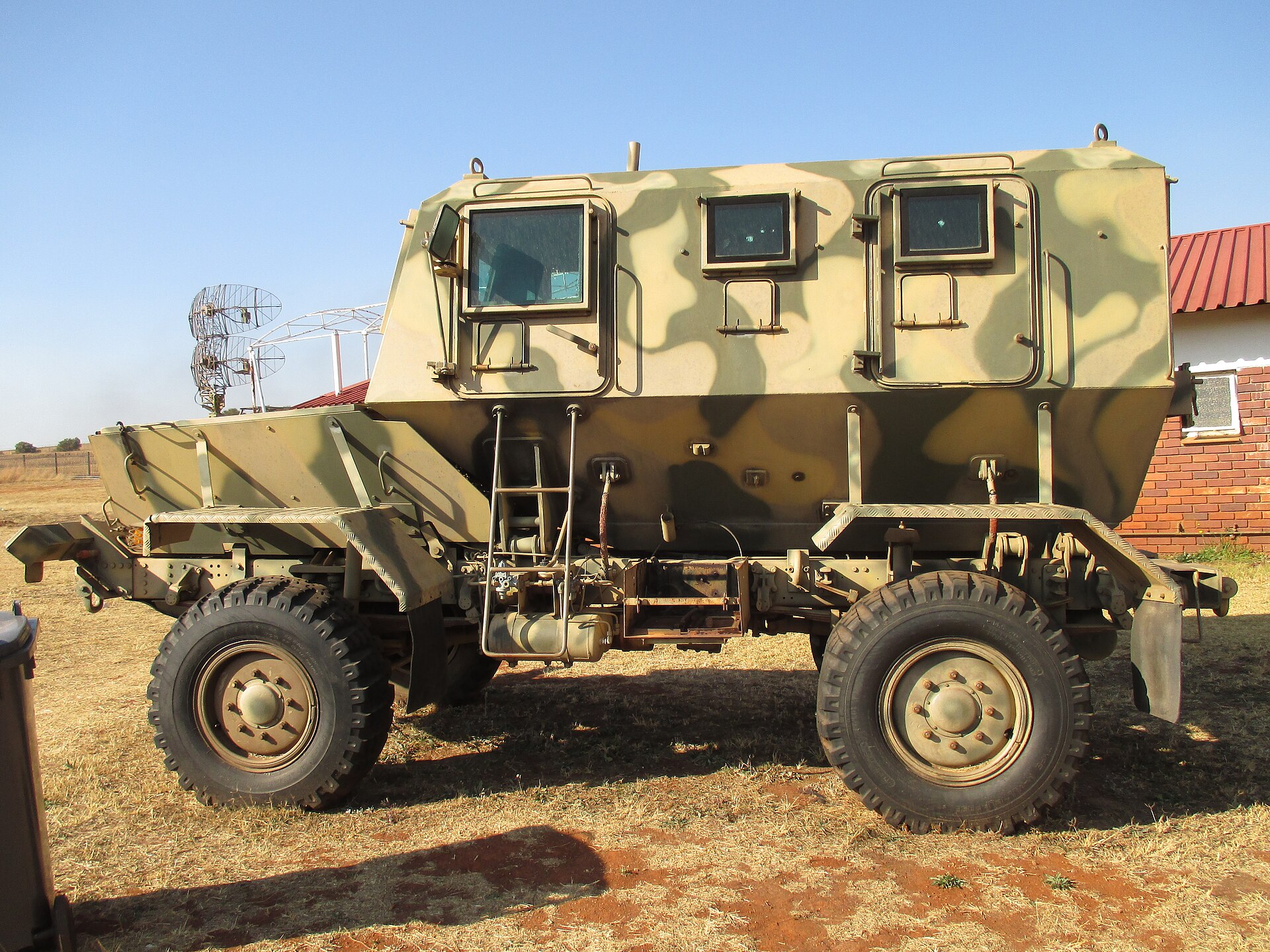
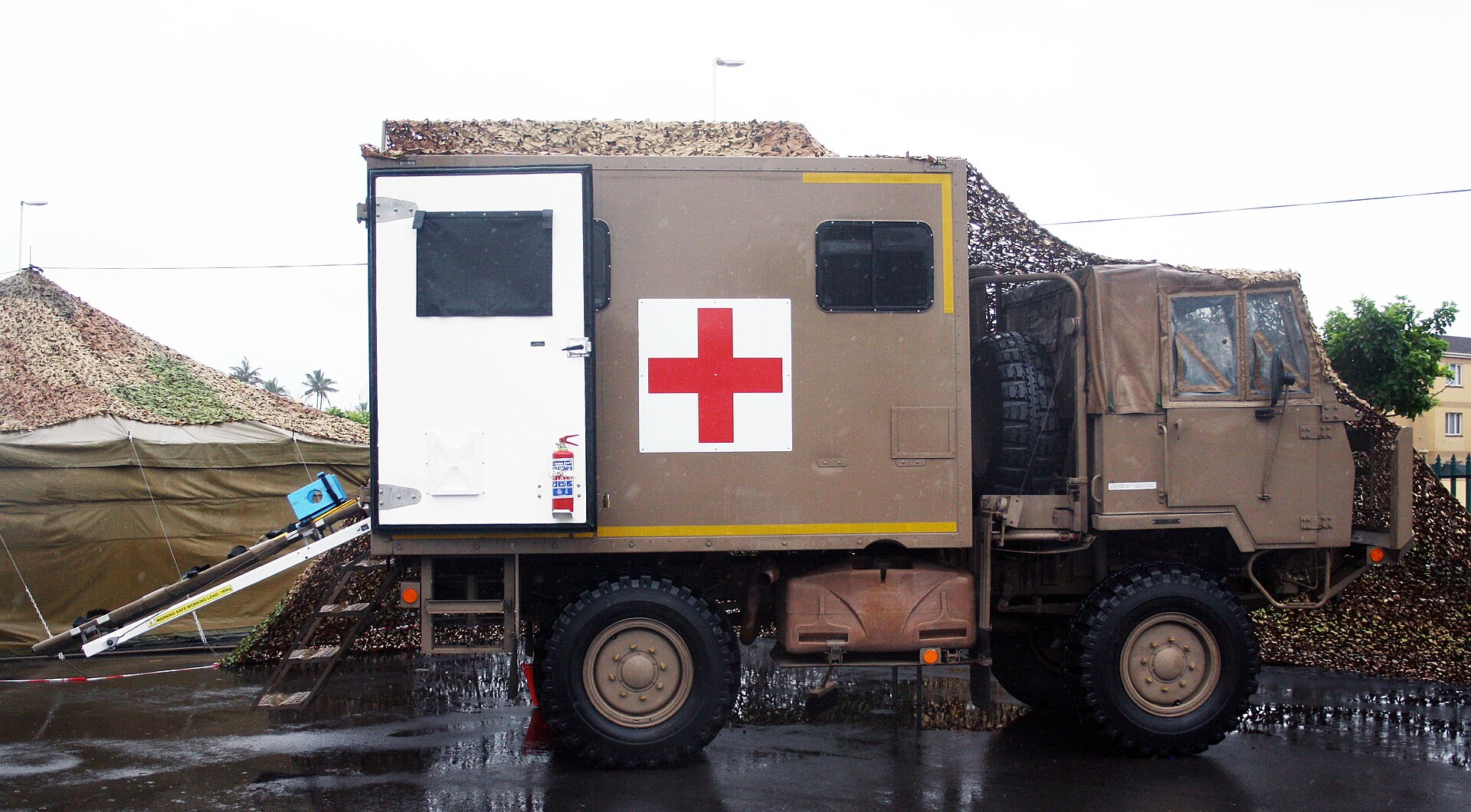
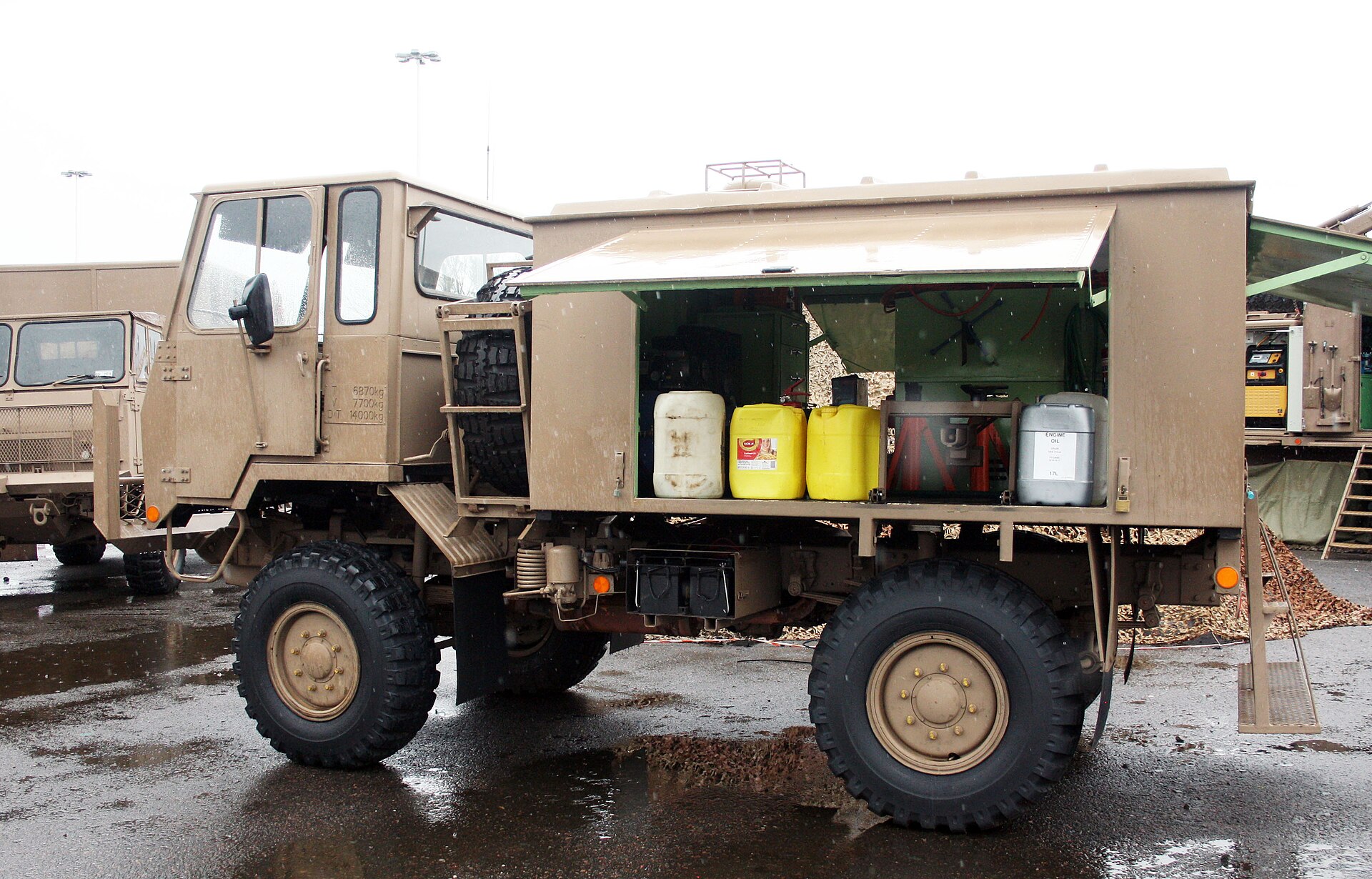
The SAMIL 100 with the Kwêvoël armoured, mine-protected cab and V-shaped belly: the protected heavy cargo truck and the base of the Bateleur and the Bosvark.

Difflocked · free browser gamePlay & customise vintage 4×4s →Race classic 4×4s, build your own and keep it in your garage. Free, in the browser.
BASE VEHICLESAMIL 100 (1983–98)BUILT BYTruckmakers, Rosslyn, Pretoria, Magirus-Deutz, UlmIN SERVICE1980sOPERATED INSouth Africa, Namibia, AngolaPRODUCTIONNot publishedLAYOUT6 wheels · 207″

The record

The Kwêvoël 100 carried supplies in the long convoys of the Border War. Its armoured crew compartment, mine-protected chassis and large rear deck made it the choice in 1990 for mounting captured ZU-23-2 guns, which became the Bosvark; a single-cab Mk 2A was field-converted to carry one at Ogongo in 1988. The same cab went onto SAMIL 100 recovery trucks, fuel tankers and the horse transporter.

Research status: draft — identification, dates or figures could not all be pinned down; the summary says what is unresolved.

Specification

MANUFACTURERTruckmakers, Rosslyn, Pretoria ↗, Magirus-Deutz, Ulm ↗
under licence from Magirus-Deutz
MANUFACTURED1980s
ENGINEDeutz F10L 413F air-cooled V10 dieselDeutz F10L 413F
PRODUCTION RUNNot published
COUNTRY OF ORIGINSouth Africa
OPERATED INSouth Africa, Namibia, Angola
STATUSout of production
RECORD KINDNamed model
MODEL LINE100
FAMILY100
WHEELS6
NOMINAL WHEELBASE207″
BODY STYLEcargo
CATEGORYMilitary · South Africa

Catalogue fields describe the vehicle's structure and body as this registry records it. They are not certified factory measurements, and no performance figures are published here.
Variants & colours

Base model variants

Factory colours

  • Dark Earth

Codes on hover. Hex values are representative approximations of period paint unless a source states a measured value.

AI rendering impression

An AI rendering impression starts from a 3D model of this vehicle, which an image model then paints into a scene. It is an artist's impression of the type, made to give a feel for the vehicle in its element — not a photograph, and not a record of any particular vehicle.

Proportions, fittings, markings, colours and the setting can all drift from the original in the process. For the vehicle's actual details, rely on the specification, the photographs and the cited sources on this page.

Sources

  1. 1Helmoed Römer Heitman, “Equipment of the Border War”, Journal for Contemporary History 31 (3), 2006, pp. 91–108 ↗University of the Free State · accessed 2026-09-24SOURCE
  2. 2Bosvark SPAAG ↗Tank Encyclopedia · accessed 2026-09-24SOURCE
  3. 3SAMIL 100 ↗Wikipedia · accessed 2026-09-24SOURCE

Registry record updated 2026-09-24 · status: draft