4x4s.org BASE MODEL · 1940–60
BASE MODELUnited KingdomAustralia

Universal Carrier (1940–60)

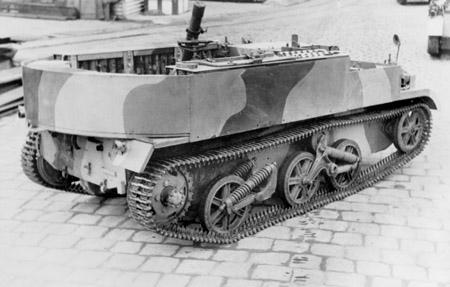
The most-produced armoured fighting vehicle in history: about 113,000 carriers of all types were built between 1934 and 1960 in Britain, Canada, Australia, New Zealand and the United States. The Universal of 1940 replaced the separate machine-gun, Bren and Scout carriers with one hull for every job.

Difflocked · free browser gamePlay & customise vintage 4×4s →Race classic 4×4s, build your own and keep it in your garage. Free, in the browser.
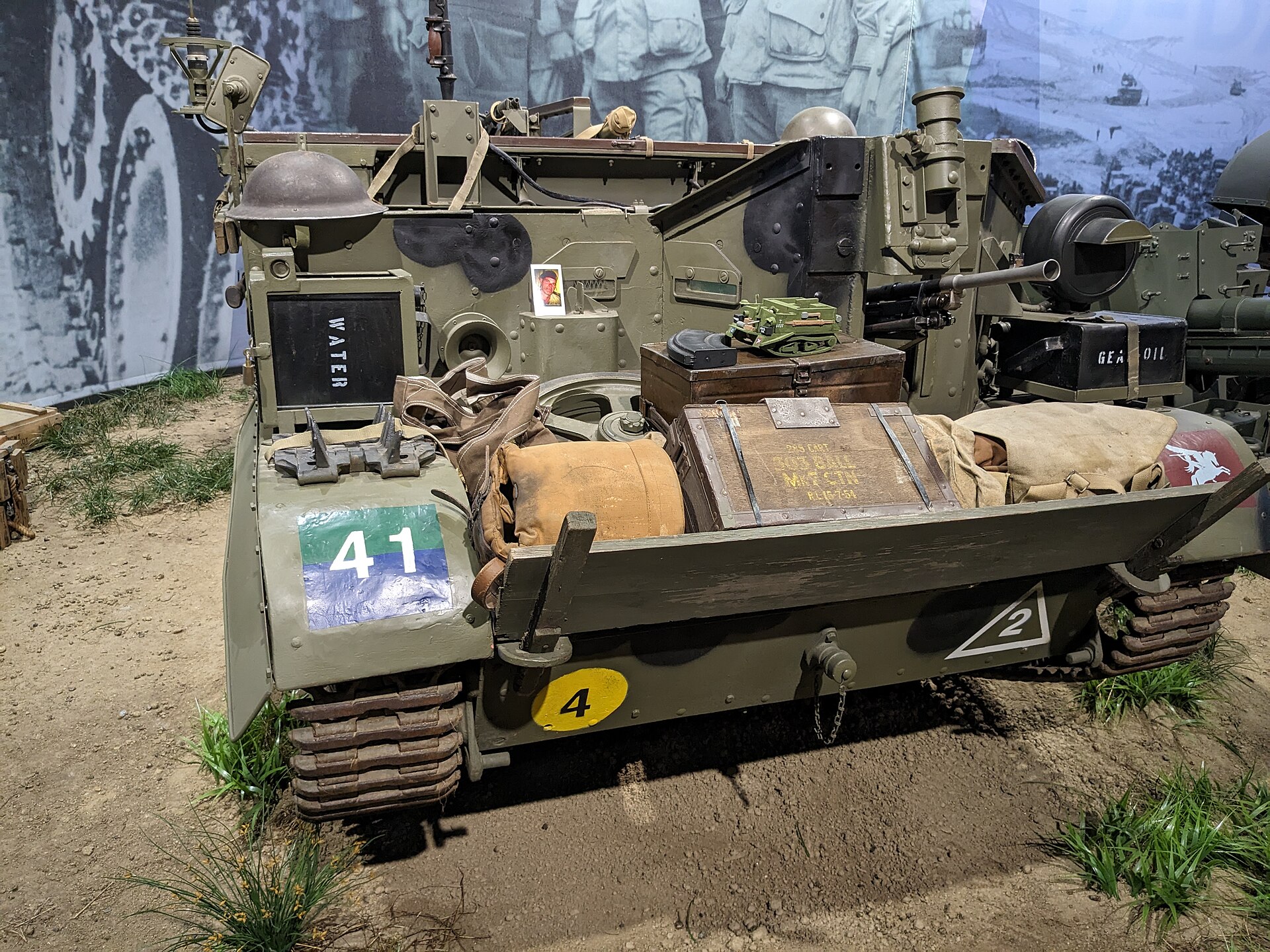
Universal Carrier (1940–60) — A Universal Carrier at the American Heritage Museum, 2024.Joshbaumgartner · CC BY-SA 4.0 ↗
MODEL LINEUniversal CarrierBUILT BYState Engineering, Vickers-Armstrongs, Ford Motor Company, Ford Motor Company of Australia, Wolseley Motors, Birmingham, Ford Motor Company of Canada, Thornycroft, Basingstoke, Sentinel Waggon Works, Shrewsbury, Aveling-Barford, Grantham, Ford of Britain, Dagenham, Victorian Railways, Newport Workshops, South Australian Railways, Islington Workshops, Metropolitan Gas Company, Fitzroy, General Motors New Zealand, Lower HuttPRODUCED1940–60OPERATED INUnited Kingdom, Canada, AustraliaPRODUCTIONAbout 113,000 carriers of all types, 1934LAYOUT4 wheels

The record

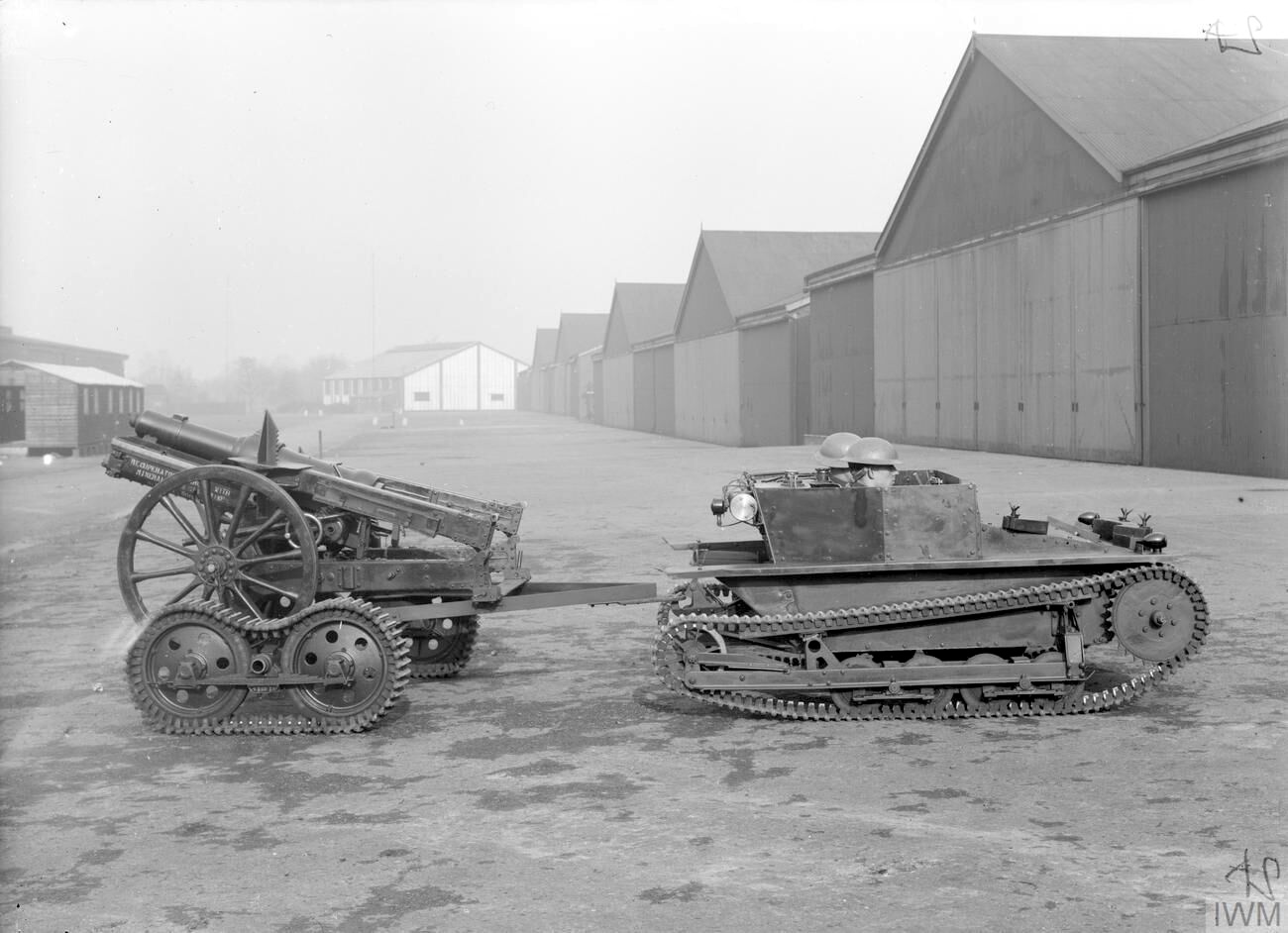
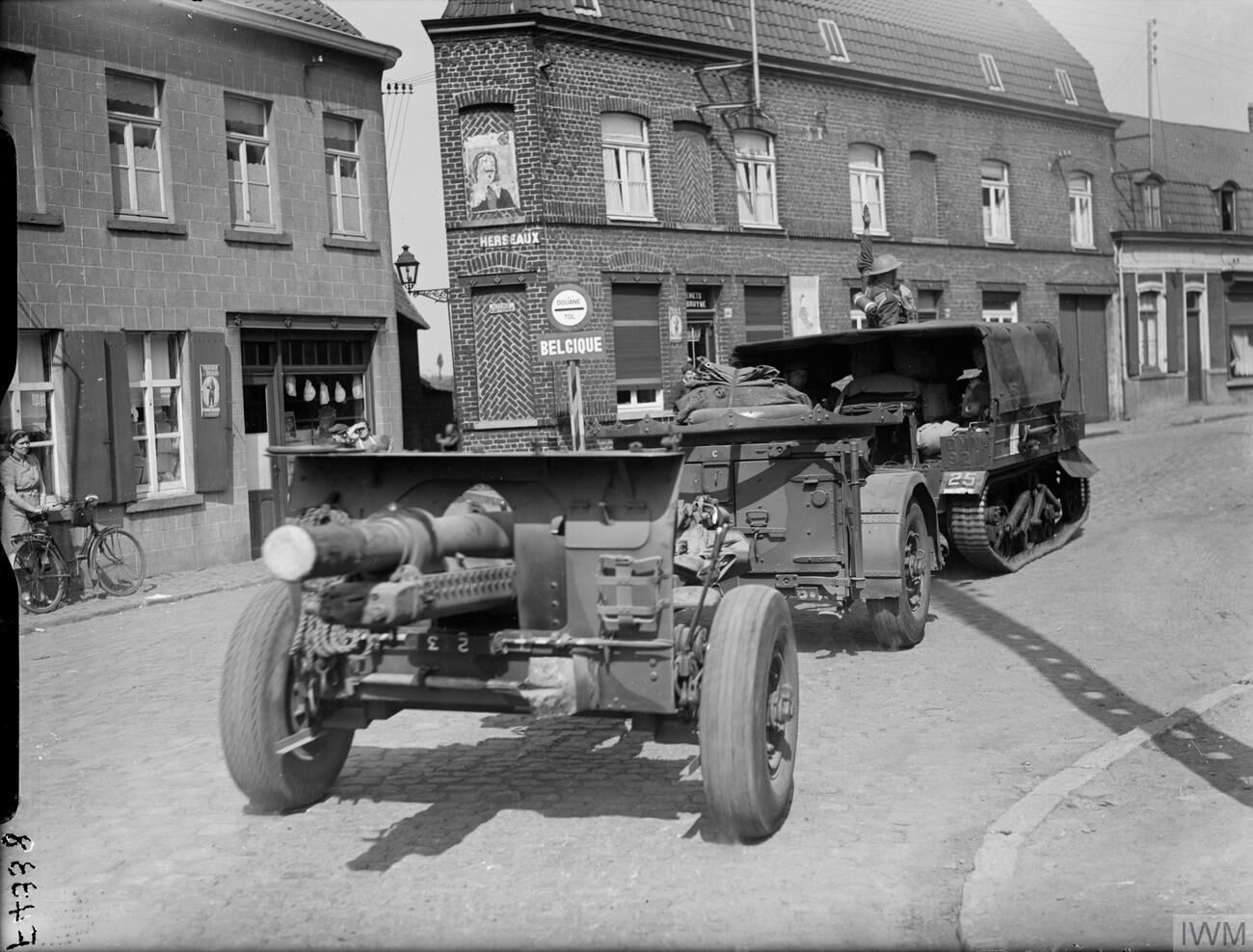
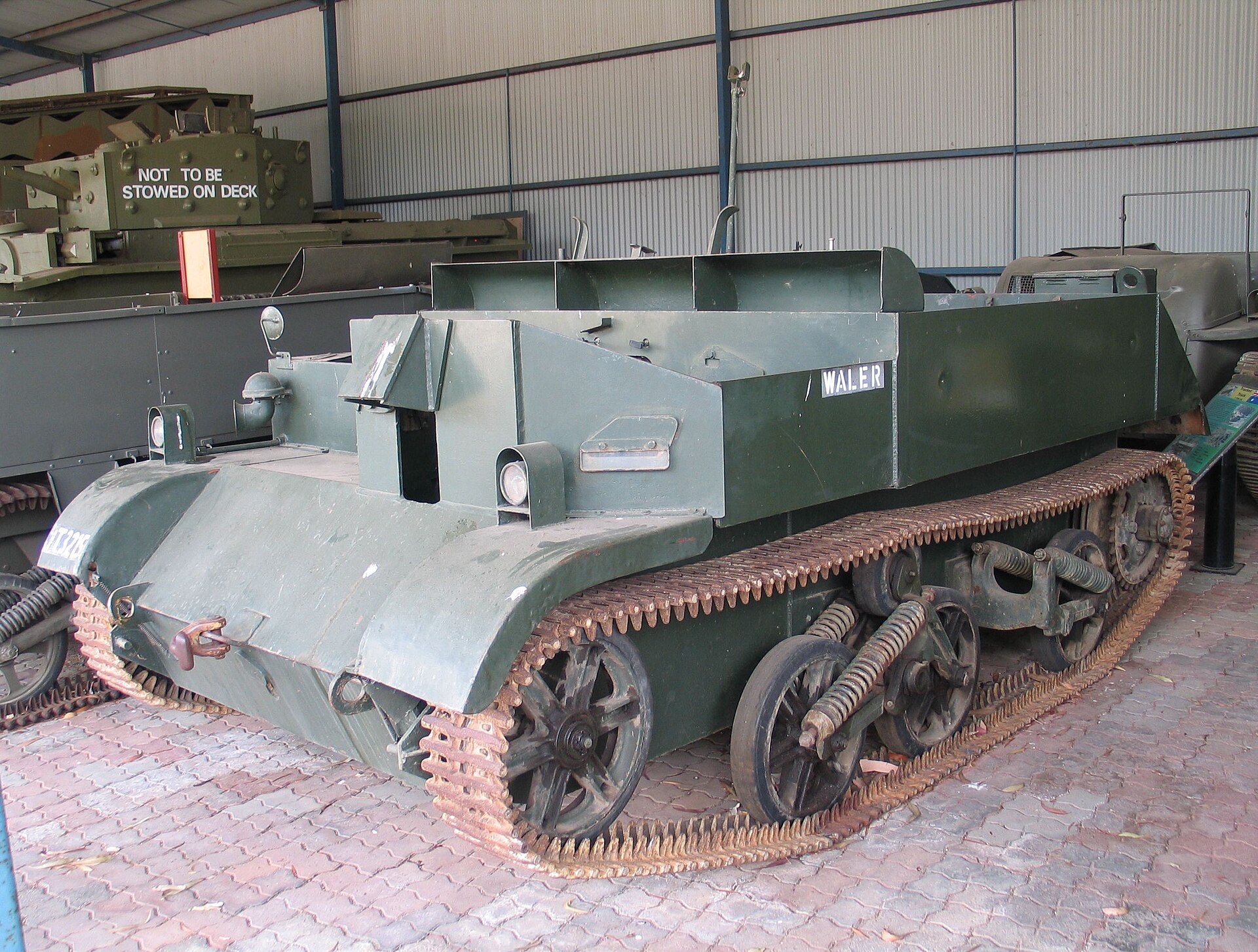
The Universal was 3.66 m long and 2.06 m wide, weighed 3.3 tonnes unladen, carried three or four crew behind 7–10 mm of armour, and ran at 30 mph for 150 miles on a Ford V8 of 85 hp, with Horstmann suspension. It carried a Bren gun or Boys rifle as standard and Vickers or Browning machine guns, mortars or a PIAT as required, and it towed anti-tank guns. Infantry support companies had 10 carriers at first, 21 by 1941 and up to 33 per battalion by 1943; Reconnaissance Corps regiments had 63.

About 57,000 of all models were built in Britain by 1945, by Aveling-Barford, Ford, Sentinel, Thornycroft and Wolseley Motors. Ford of Canada built about 29,000, Australia about 5,000, New Zealand about 1,300 and Ford in the United States about 20,000 of its own longer version. The Soviet Union received 200 by the end of 1941 and 2,560 Universal and Loyd carriers after, and after the war carriers went to Argentina, West Germany, Israel, the Netherlands, Pakistan, Portugal, Ireland and a dozen others; Ireland's were still in service in the 1960s. The Tank Museum's example, a Mark II, was built by Sentinel at Shrewsbury in 1940.
Specification

MANUFACTURERState Engineering ↗, Vickers-Armstrongs ↗, Ford Motor Company ↗, Ford Motor Company of Australia ↗, Wolseley Motors, Birmingham ↗, Ford Motor Company of Canada ↗, Thornycroft, Basingstoke ↗, Sentinel Waggon Works, Shrewsbury ↗, Aveling-Barford, Grantham ↗, Ford of Britain, Dagenham ↗, Victorian Railways, Newport Workshops ↗, South Australian Railways, Islington Workshops ↗, Metropolitan Gas Company, Fitzroy ↗, General Motors New Zealand, Lower Hutt ↗
design; built by Aveling-Barford, Ford of Britain, Sentinel Waggon Works, Thornycroft and Wolseley Motors; Ford Motor Company of Canada; Ford Motor Company (United States); Victorian Railways, Newport Workshops; South Australian Railways, Islington Workshops; Metropolitan Gas Company, Fitzroy; Ford Motor Company of Australia, Homebush; State Engineering Works, North Fremantle; General Motors New Zealand
MANUFACTURED1940–60
ENGINEFord flathead V8 petrol, 239 cu in (3.9 L), 85 hp at 3,500 rpmFord flathead V8
PRODUCTION RUNAbout 113,000 carriers of all types, 1934–60
COUNTRY OF ORIGINUnited Kingdom
OPERATED INUnited Kingdom, Canada, Australia, New Zealand, United States, Russia, France, Poland, Portugal, Ireland, Belgium, Greece, Netherlands, Argentina, Switzerland, Germany, Israel, Indonesia, Pakistan, Egypt, China
STATUSout of production
RECORD KINDBase model
MODEL LINEUniversal Carrier
FAMILYUniversal Carrier
WHEELS4
BODY STYLEOpen-topped
VARIANTS1

Catalogue fields describe the vehicle's structure and body as this registry records it. They are not certified factory measurements, and no performance figures are published here.

Body styles & colours

Factory colours

  • Service Colour Standard brown
  • Olive Drab
  • Khaki Green No. 3
  • Dark Brown
  • Black
  • Dark Olive Green
  • Light Stone
  • Portland Stone
  • Desert Pink
  • Light Mud
  • Deep Bronze Green

Codes on hover. Hex values are representative approximations of period paint unless a source states a measured value.

AI rendering impression

An AI rendering impression starts from a 3D model of this vehicle, which an image model then paints into a scene. It is an artist's impression of the type, made to give a feel for the vehicle in its element — not a photograph, and not a record of any particular vehicle.

Proportions, fittings, markings, colours and the setting can all drift from the original in the process. For the vehicle's actual details, rely on the specification, the photographs and the cited sources on this page.

Sources

  1. 1Universal Carrier ↗Wikipedia · accessed 2026-09-24SOURCE
  2. 2Universal Carrier ↗The Tank Museum · accessed 2026-09-24SOURCE

Registry record updated 2026-09-24 · status: researched