4x4s.org NAMED MODEL · 1931
NAMED MODELSpecial · ExpeditionFrance

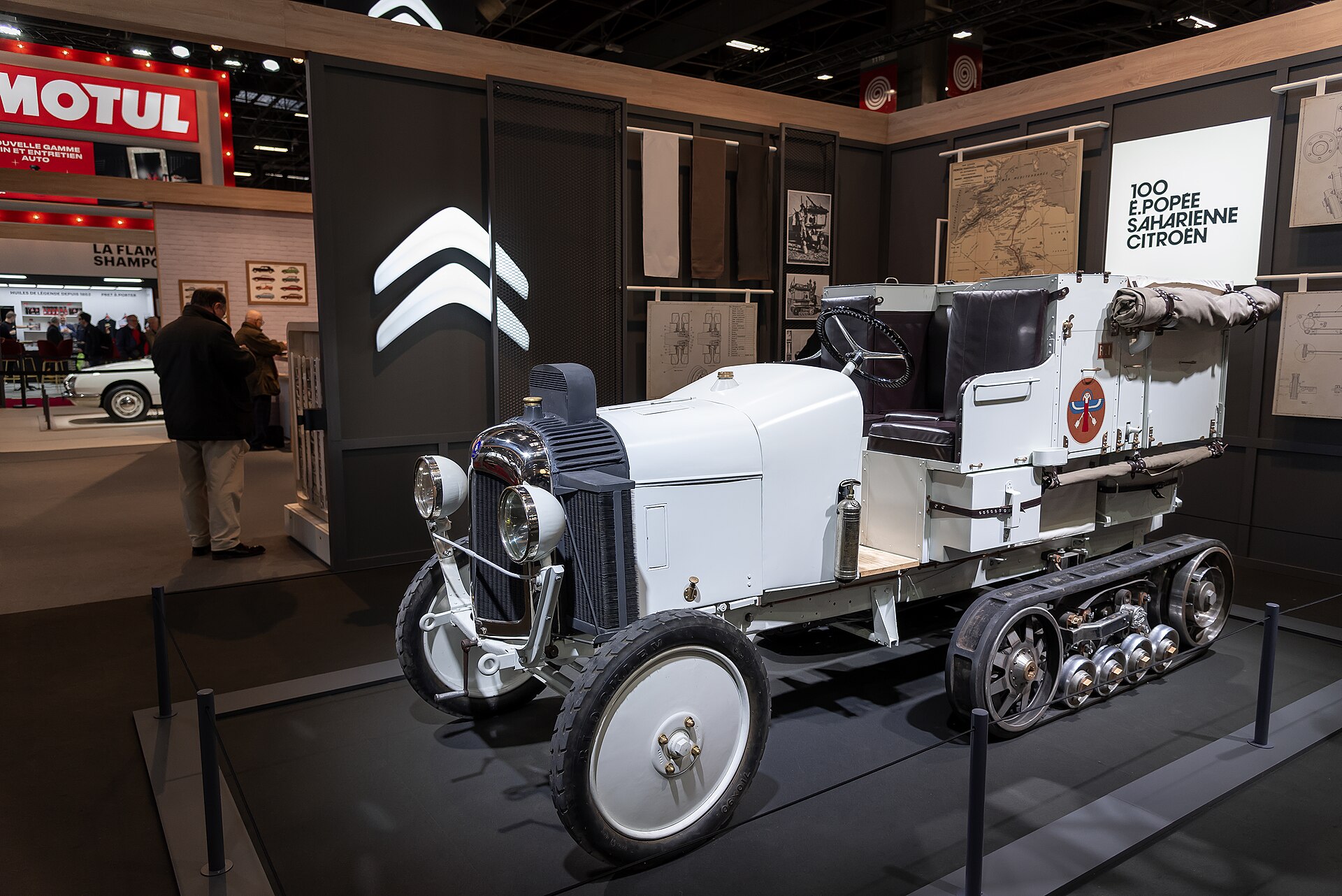
P17 of the Croisière Jaune, Pamir group (1931)

The six light P17 half-tracks, each with a trailer, of the Pamir group of the Citroën Central Asia expedition, the Croisière Jaune, which left Beirut on 4 April 1931 under Haardt and Audouin-Dubreuil; a P14 carried the radio and two light vans followed.

Difflocked · free browser gamePlay & customise vintage 4×4s →Race classic 4×4s, build your own and keep it in your garage. Free, in the browser.
P17 of the Croisière Jaune, Pamir group (1931) — A 1931 Citroën-Kégresse P17 of the Croisière Jaune at the Musée des 24 Heures du Mans.Alf van Beem · Public domain ↗
BASE VEHICLEKégresse P10 and P17 (1928–34)BUILT BYCitroënIN SERVICE1931OPERATED INLebanon, Syria, IraqPRODUCTION6LAYOUT2 wheels

The record

The P17 was readied in three months after the Soviet Union withdrew permission, in November 1930, to cross its territory, which split the expedition into a Pamir group from Beirut and a China group from Tianjin. The Pamir group drove through Syria, Iraq, Persia and Afghanistan to Srinagar; only two half-tracks attempted the Himalaya and they reached Gilgit on 4 August 1931, from where the party went on by horse to meet the China group at Aksu. Scarabée d’Or was sent back to Paris dismantled and Croissant d’Argent was left with the Gilgit administration.

Specification

MANUFACTURERCitroën ↗
Paris (half-track department at Suresnes, then Courbevoie)
MANUFACTURED1931
ENGINECitroën C4 four, 1,628 ccCitroën C4 four
PRODUCTION RUN6
COUNTRY OF ORIGINFrance
OPERATED INLebanon, Syria, Iraq, Iran, Afghanistan, Pakistan, India
STATUSexpedition vehicles
RECORD KINDNamed model
MODEL LINEKégresse C4 and C6
FAMILYKégresse C4 and C6
WHEELS2
BODY STYLEtorpedo
CATEGORYSpecial · Expedition

Catalogue fields describe the vehicle's structure and body as this registry records it. They are not certified factory measurements, and no performance figures are published here.
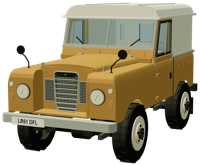
Variants & colours

Base model variants

AI rendering impression

An AI rendering impression starts from a 3D model of this vehicle, which an image model then paints into a scene. It is an artist's impression of the type, made to give a feel for the vehicle in its element — not a photograph, and not a record of any particular vehicle.

Proportions, fittings, markings, colours and the setting can all drift from the original in the process. For the vehicle's actual details, rely on the specification, the photographs and the cited sources on this page.

Sources

  1. 1Les autochenilles Kégresse (Pascal Honegger, 2015) ↗Krybebåndssocietetet (kegresse.dk) · accessed 2026-09-24SOURCE
  2. 2Croisière jaune ↗Wikipédia · accessed 2026-09-24SOURCE
  3. 3Yellow Expedition ↗Wikipedia · accessed 2026-09-24SOURCE

Registry record updated 2026-09-24 · status: researched