The record
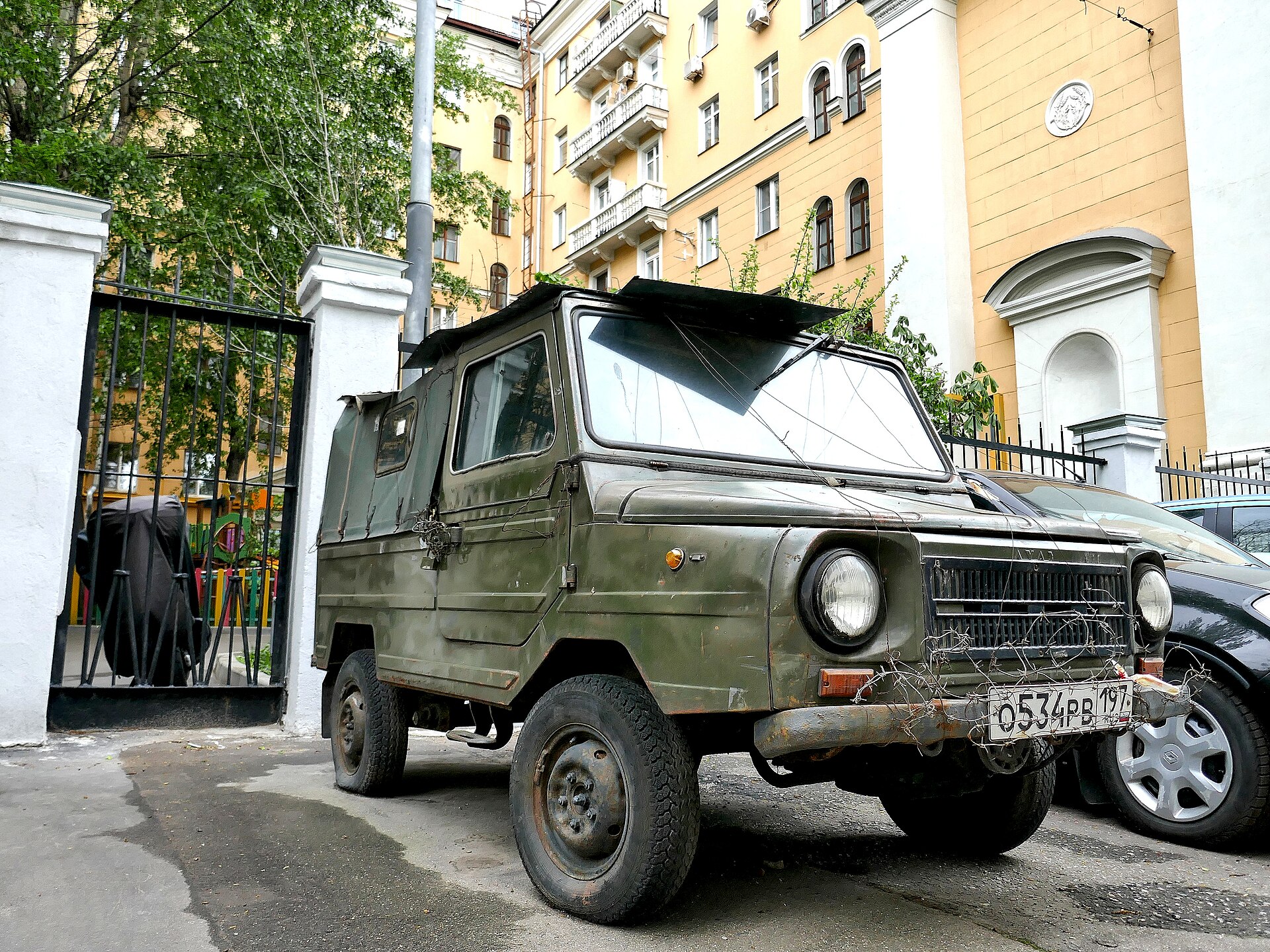
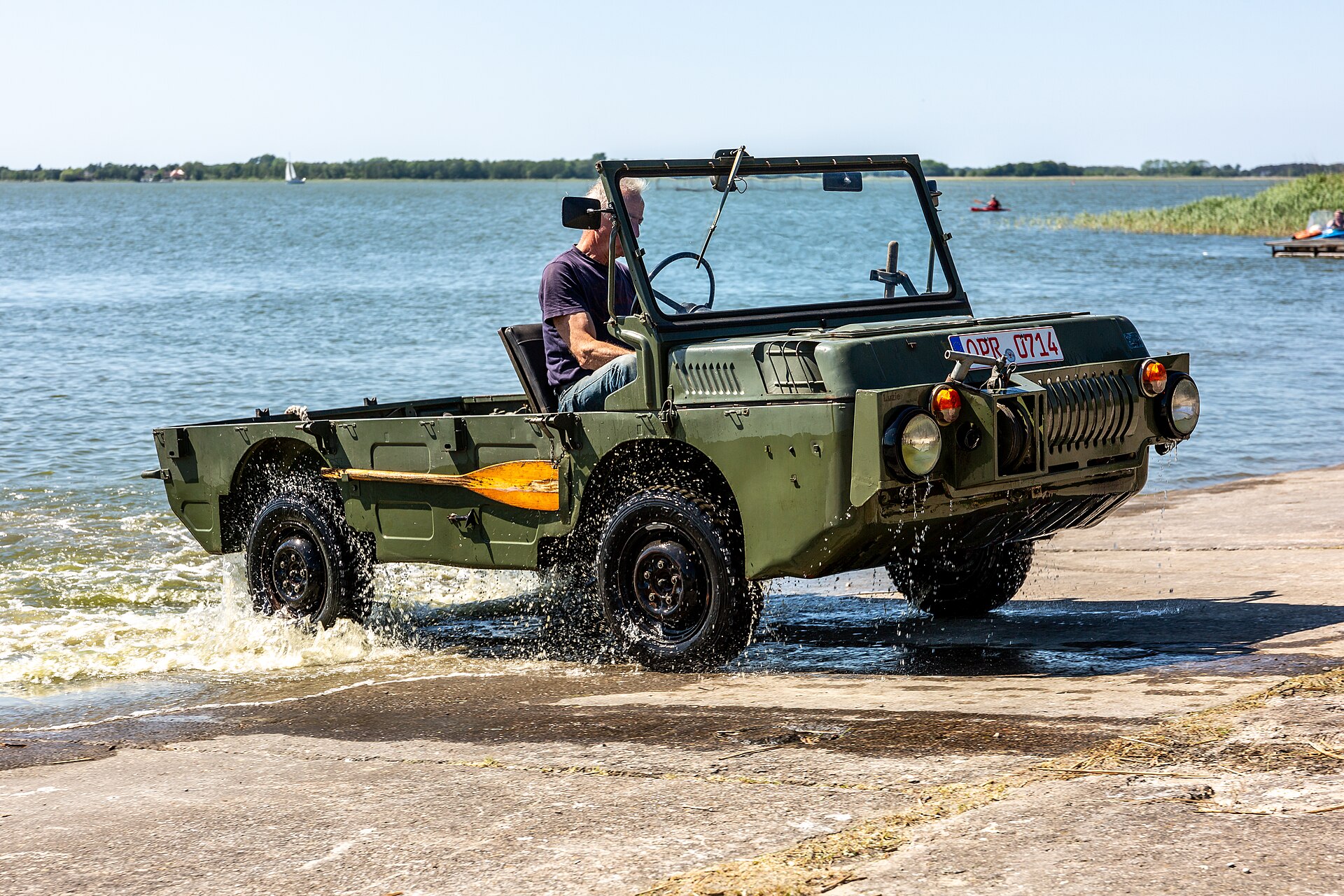
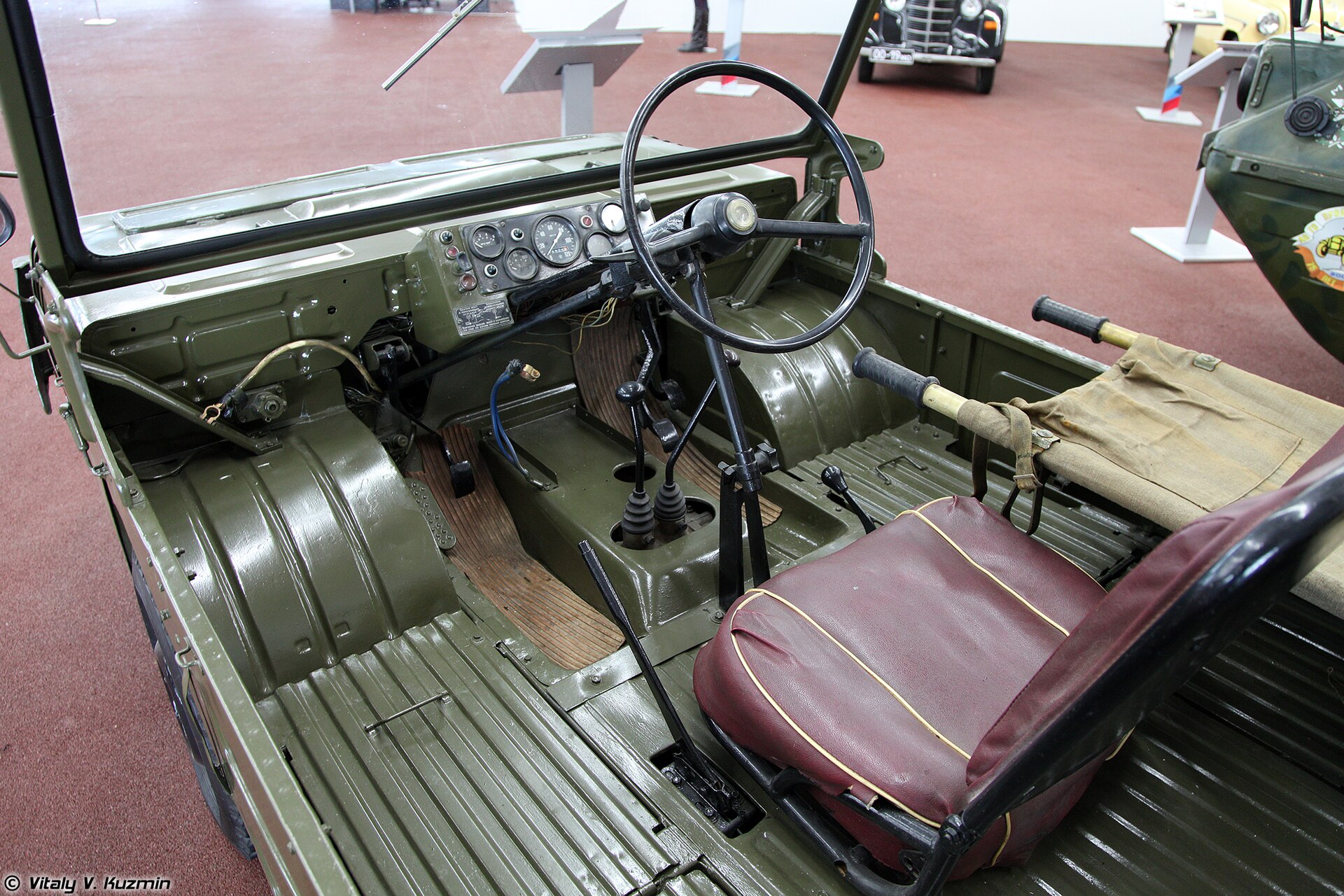
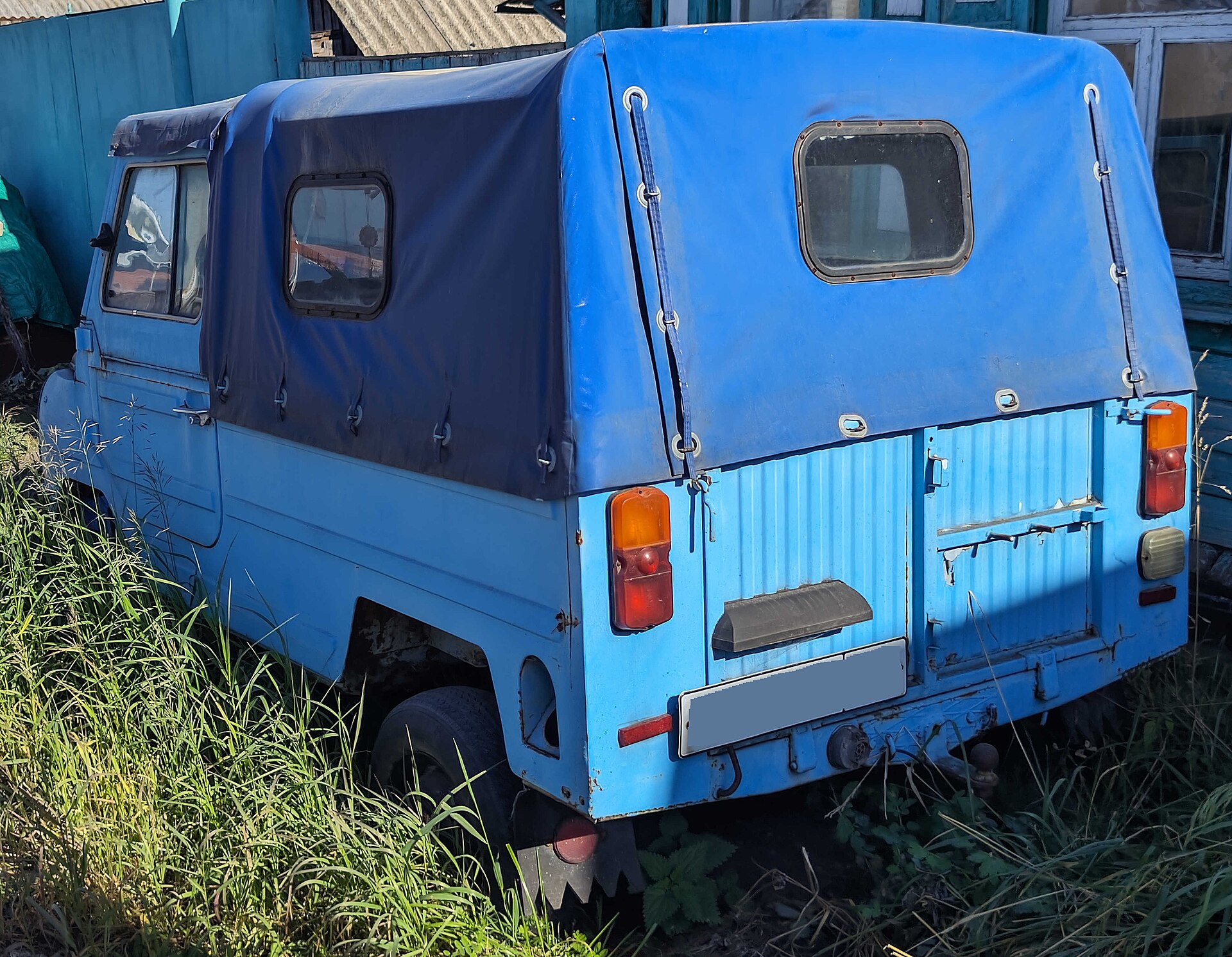
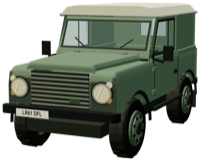
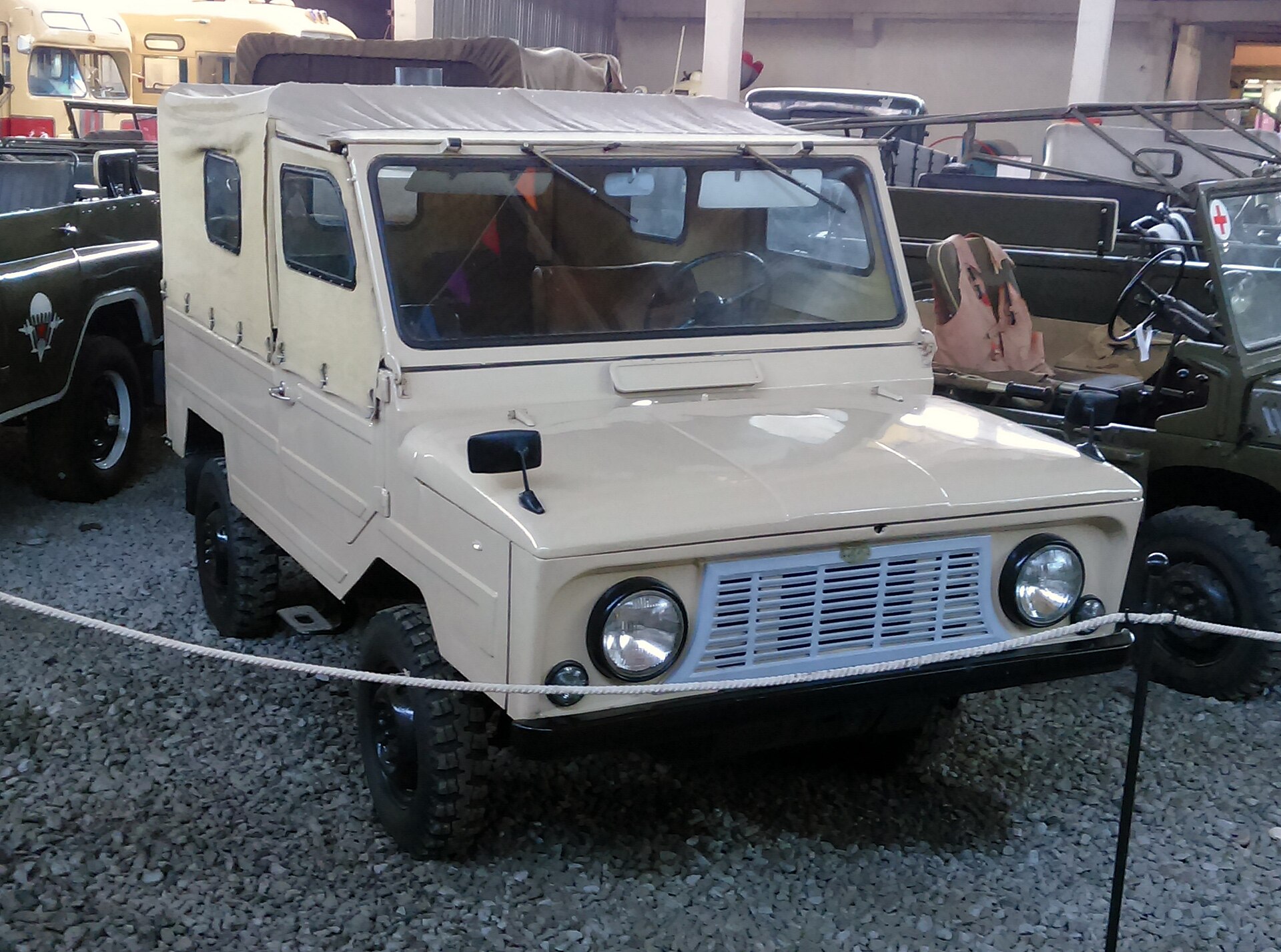
It was built for rural Soviet roads — or their absence — and sold to collective farms, foresters and country doctors. The name changed as often as the specification: ZAZ-969 from 1966, LuAZ-969 from 1971, 969A from 1975, 969M from 1979 and finally LuAZ-1302 from 1992, production running to 2002. LuAZ built its 100,000th car in 1982 and its best year was 1990, at 16,500. Italy took a good number, where Martorelli also offered it with a Ford engine. Model research review, 28 September 2026: the canvas representation follows the supplied early cream museum vehicle, while the hard-top represents a later-bodied olive preserved vehicle photographed at Autoexotics (photo-am, Depositphotos 59748293). These use one shared procedural body with fascia and roof differences; the hard-top conversion maker is not established. The tail-mounted right-offset spare is supported by Thomas Doerfer’s LuAZ 969 Heck photograph; it is missing from some surviving examples. Original family-wide registry specifications are preserved; model handling/weight figures are gameplay tuning rather than a new factory specification claim. Ukraine origin is retained. No sufficiently specific evidence was found to populate operating countries for the listed civilian operators; museum/exhibition locations alone were not treated as service evidence.