The record
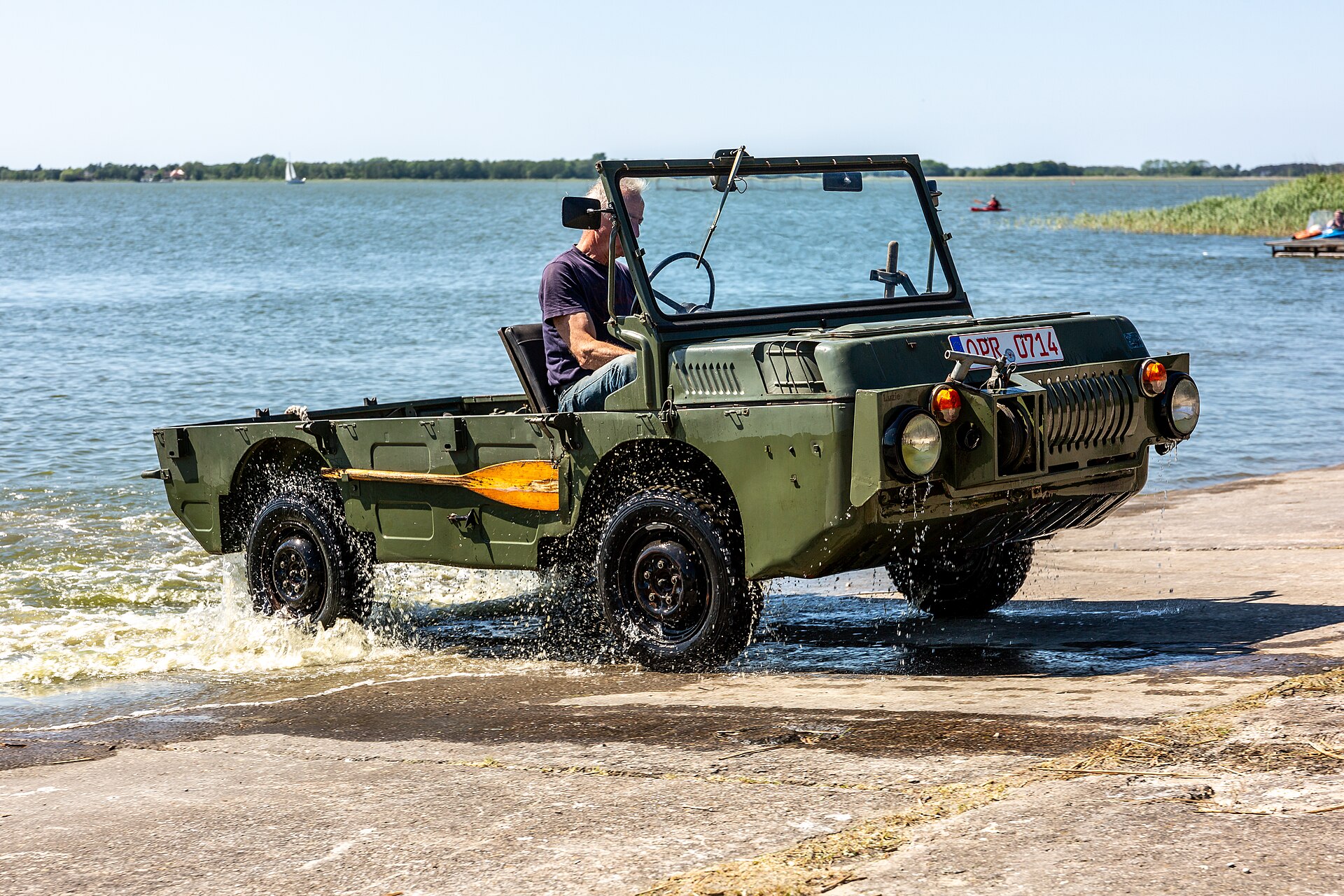
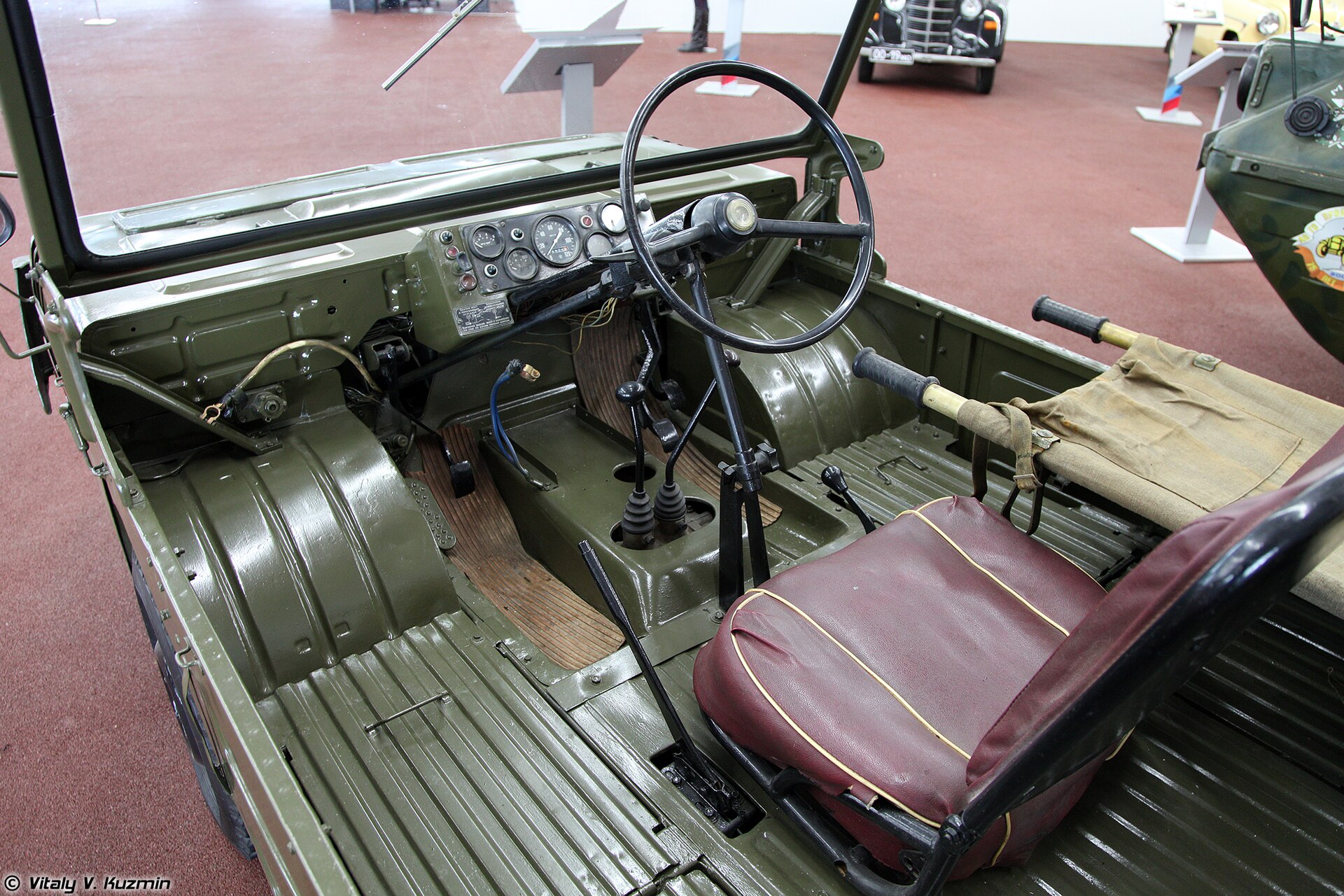
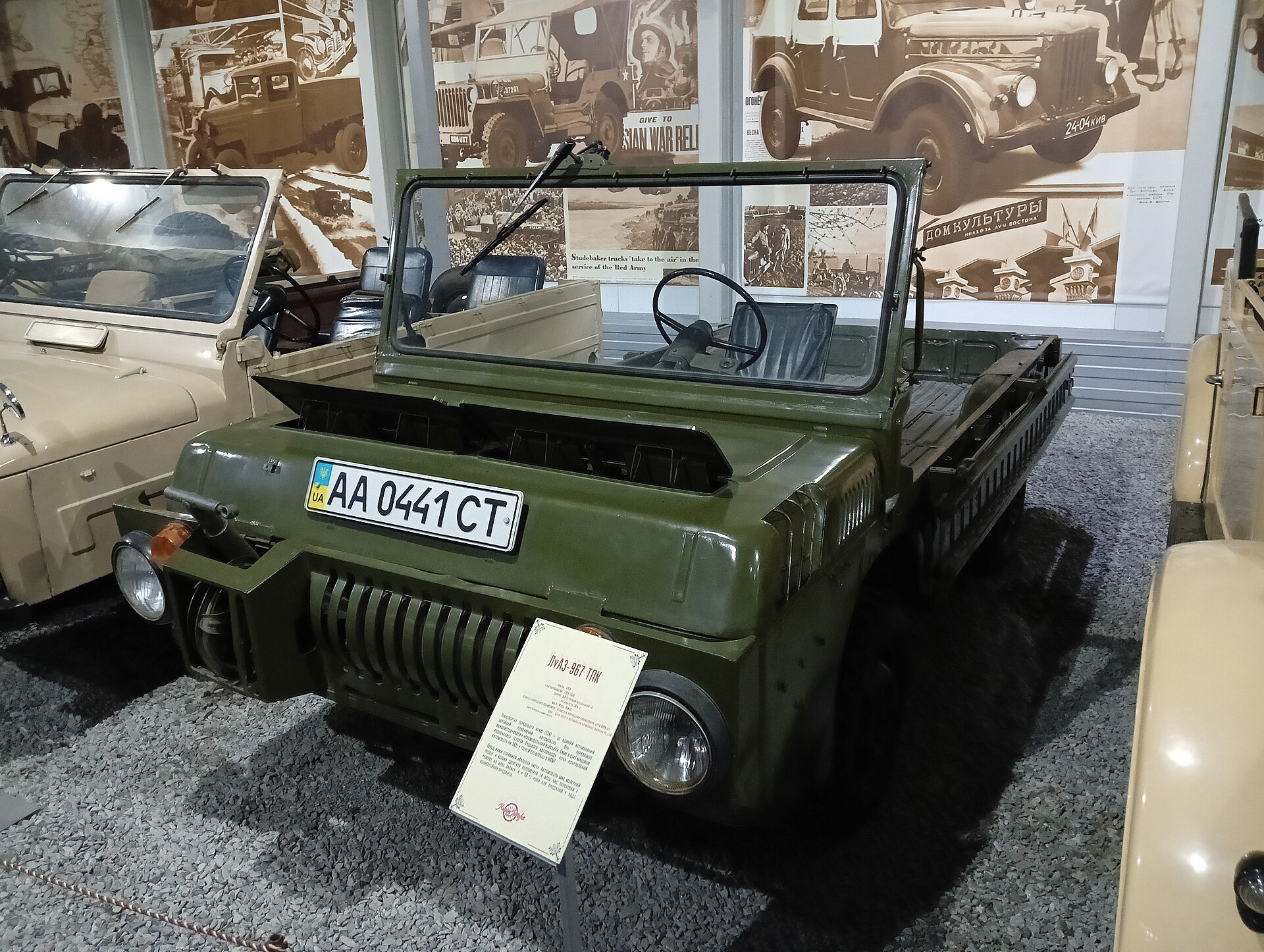
The TPK — transporter of the front line — was meant to bring ammunition forward and carry wounded back under fire, which is why the controls and the windscreen fold flat: the driver could lie alongside the vehicle and steer it from the ground, keeping his head below the bodywork. The steel hull is watertight and the whole thing is light enough to drop by parachute, so Soviet airborne units used it. It is the only vehicle in the registry designed to be driven prone. Model research inspected the supplied Wheels of History photo and supporting 967M/967A front, side and cab views. The photographed transporter has a front engine cover and centre driving position, correcting the queue rear-engine description. The 887 cc early engine is represented using the shared four-cylinder sound, with 20 kW gameplay power; the cited Wikipedia 37 hp/887 cc combination conflicts with specialist material assigning 27 hp to 887 cc and 37 hp to 1197 cc. Early/967A/967M production dates and preserved museum identity are not consistently distinguished by the sources. The model follows the supplied TPK museum shell; it is not asserted to be an authenticated 1961 production example. Wheels propel the real transporter in water; no invented propeller is fitted. Shared amphibious water-hazard resistance and winch behavior are reused, not a new swimming simulation.