The record
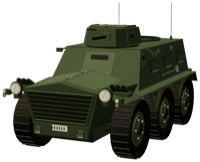
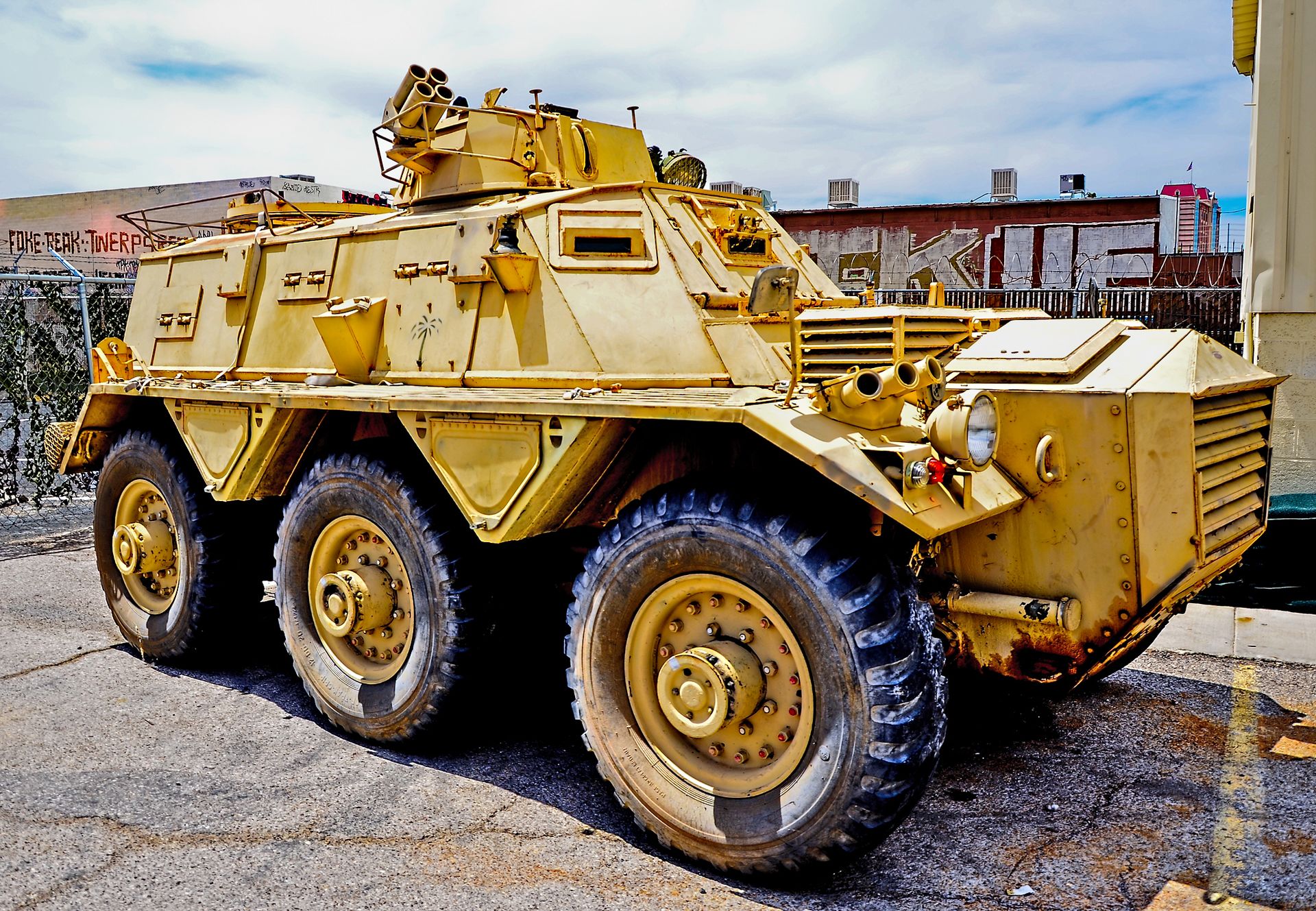
The FV603 entered British service in 1952 as an armoured personnel carrier in the FV600 vehicle family. Its engine occupies the front bonnet and its personnel compartment is entered through paired rear doors. A small turret mounts a machine gun; a separate rear roof ring could carry another weapon. The early configuration represented here excludes later reverse-flow cooling and additional armour.
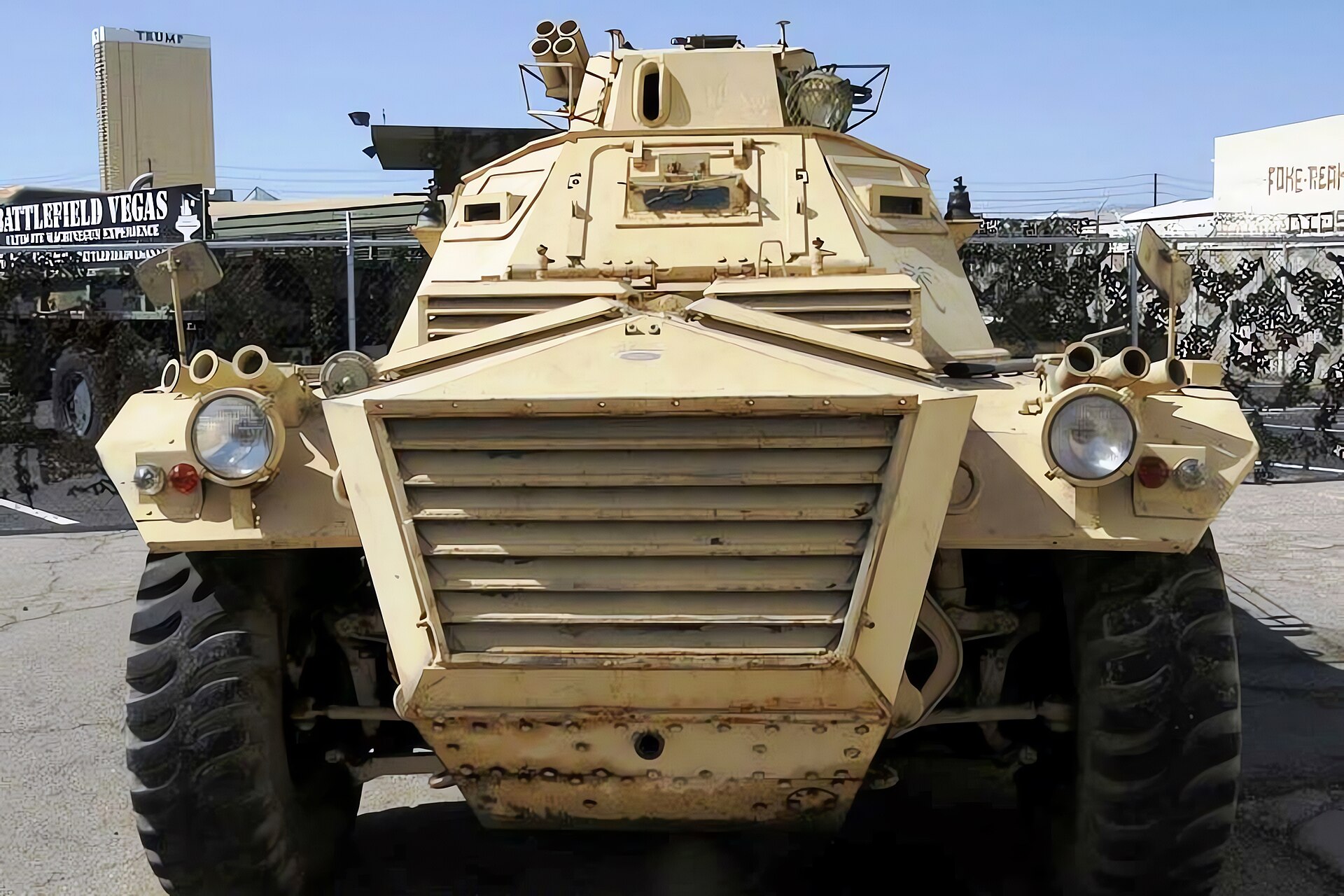
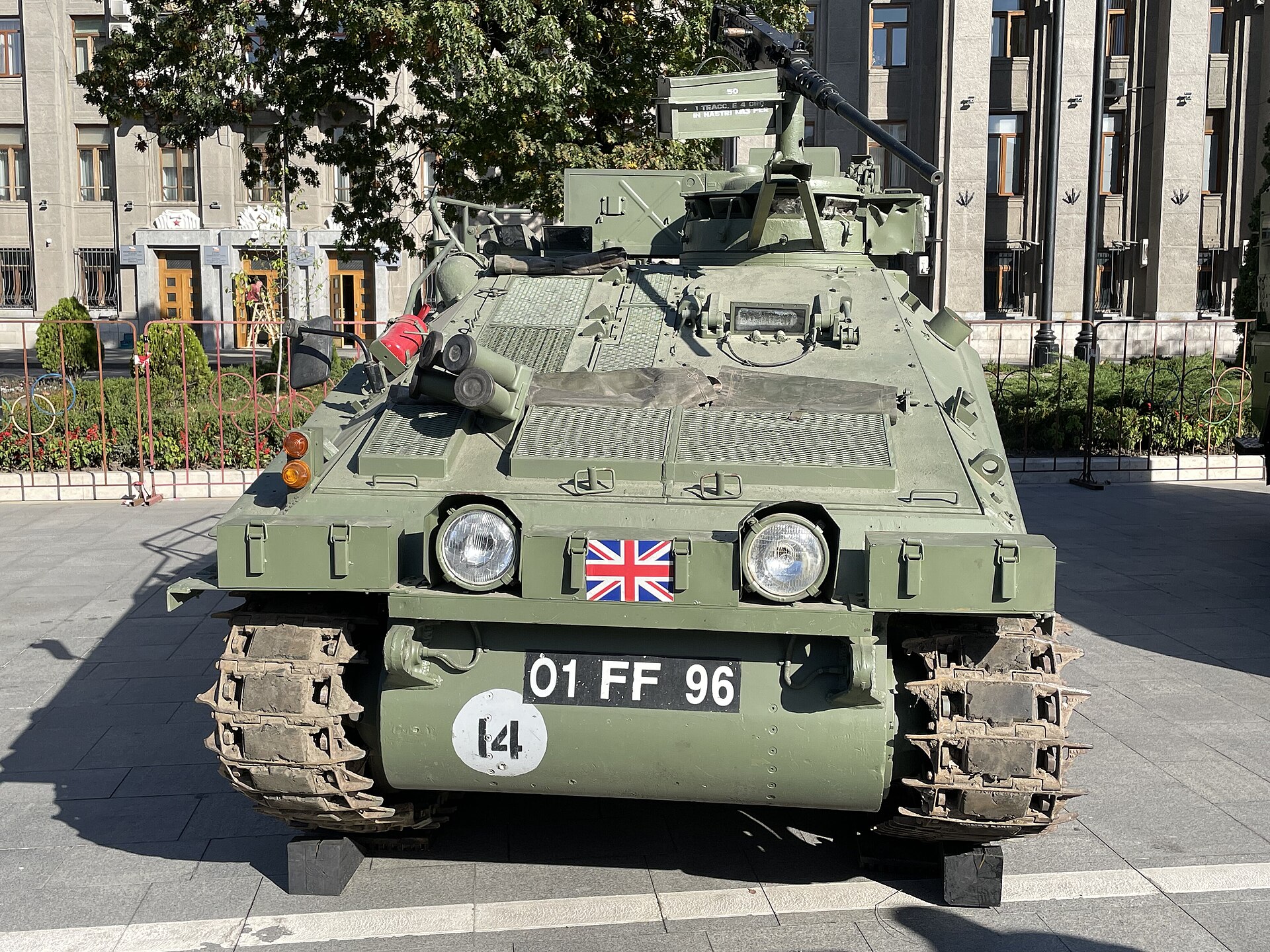
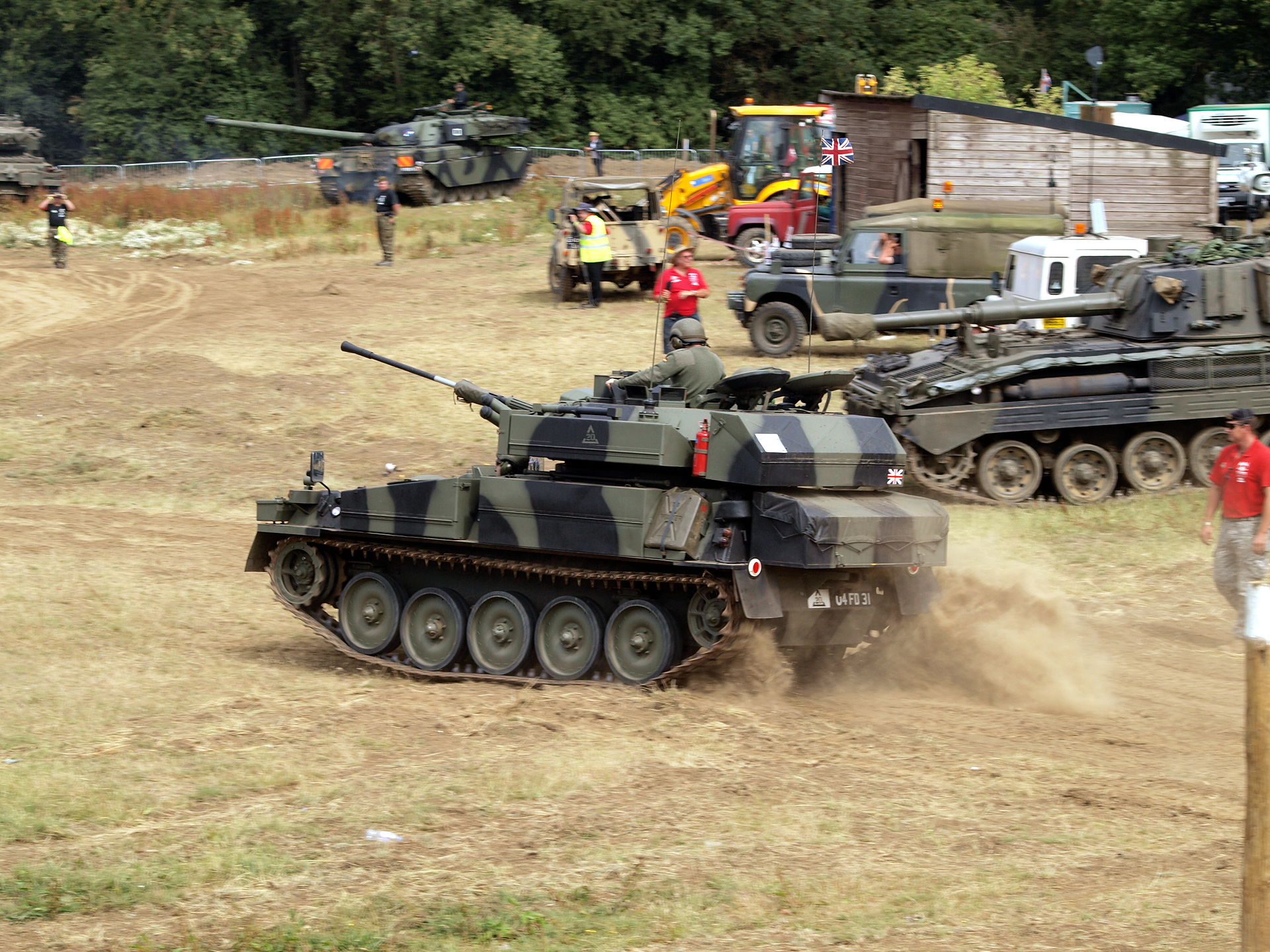
The supplied 1953 green vehicle and Kubinka photographs informed the early bonnet, grille, turret and wing-mounted three-tube smoke banks. Latrun front, flank and rear photographs clarified panel and door relationships; their sand finish is not used. The supplied Saracen Marks SVG is a variant flowchart, not a dimensional drawing. Later Mk6/Las Vegas photographs are variant comparisons only. Tactical markings, serials, nets and variable external packs are omitted; the rear ring is shown without a second gun.
Dimensions and performance differ between published configurations: the queue gives 4.8m length and160hp, while Norfolk Tank Museum gives17ft1 overall and170bhp. This generic early representation uses approximately5.1m including towing fittings,2.54m overall width,2.46m turret height and1.524m spacing between successive axles. All six shared family wheels remain driven; front and middle pairs steer. The game uses72km/h,119.3kW (the requested160hp configuration) and11000kg; these are outside light-4x4 suggested ranges because this is an armoured carrier. Torque178Nm is an explicitly provisional derived game default, not a verified engine specification; grip.84, drag3.6, steer1 and acceleration1 are gameplay tuning.
United Kingdom manufacture and British service are confirmed by the museum. The prefilled queue's other operator countries and Hong Kong refer to the wider family and are preserved as submitted; they do not establish this exact early British Army configuration in each country. Production total is left unknown.

.jpg)


