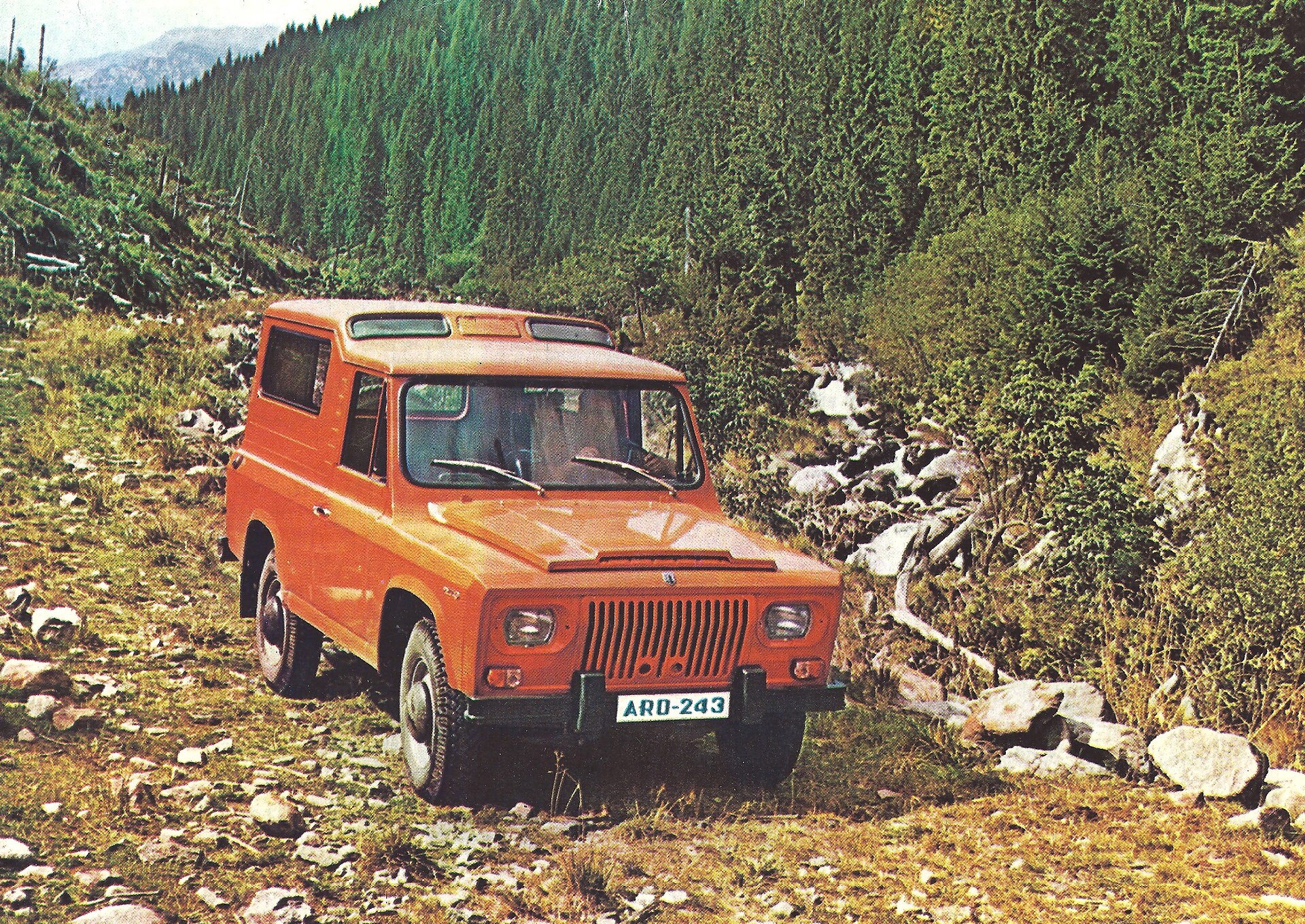
The small ARO: the 10 Series of 1980–2006, built on Dacia 1300 mechanicals and owing something to the Renault Rodeo and the Citroën Méhari, as a two- or four-door wagon, a convertible and a pick-up, in both 4×2 and 4×4. Wheelbases ran from 2,400 to 2,650 mm.
Seven engines were offered over twenty-six years, from 1.2 to 2.0 litres: petrol fours from Dacia, Volkswagen and Daewoo — 54 hp from the 1.3 to 105 hp from the Daewoo 1.6 — and diesels from Volkswagen, Peugeot and Renault. The 4×4 went to Britain as the Dacia Duster from 1985 to 1993 and to other markets as the Dacia 10; in Italy it was sold as the ARO Super Ischia and the Enduro x4. Only the four-wheel-drive versions are in the registry.
ENGINE1.2–1.6 petrol fours from Dacia, Volkswagen and Daewoo; 1.6 Volkswagen diesel, 1.9 Renault diesel and 2.0 Peugeot dieselsVolkswagen 1.6 diesel · Renault F8Q
PRODUCTION RUNNot published
COUNTRY OF ORIGINRomania
STATUSout of production
RECORD KINDBase model
MODEL LINE10 Series
FAMILY10 Series
WHEELS4
NOMINAL WHEELBASE94″
BODY STYLEStation wagon
VARIANTS3
Catalogue fields describe the vehicle's structure and body as this registry records it. They are not certified factory measurements, and no performance figures are published here.
Body styles & colours
Body style
Factory colours
Blue
Brick Red
Codes on hover. Hex values are representative approximations of period paint unless a source states a measured value.
Imagery
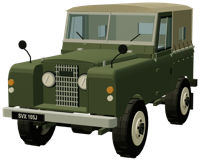
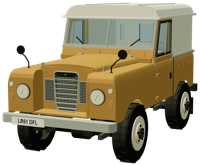
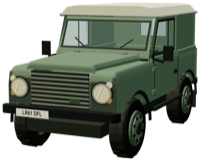
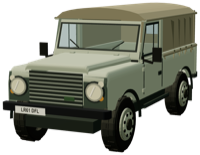
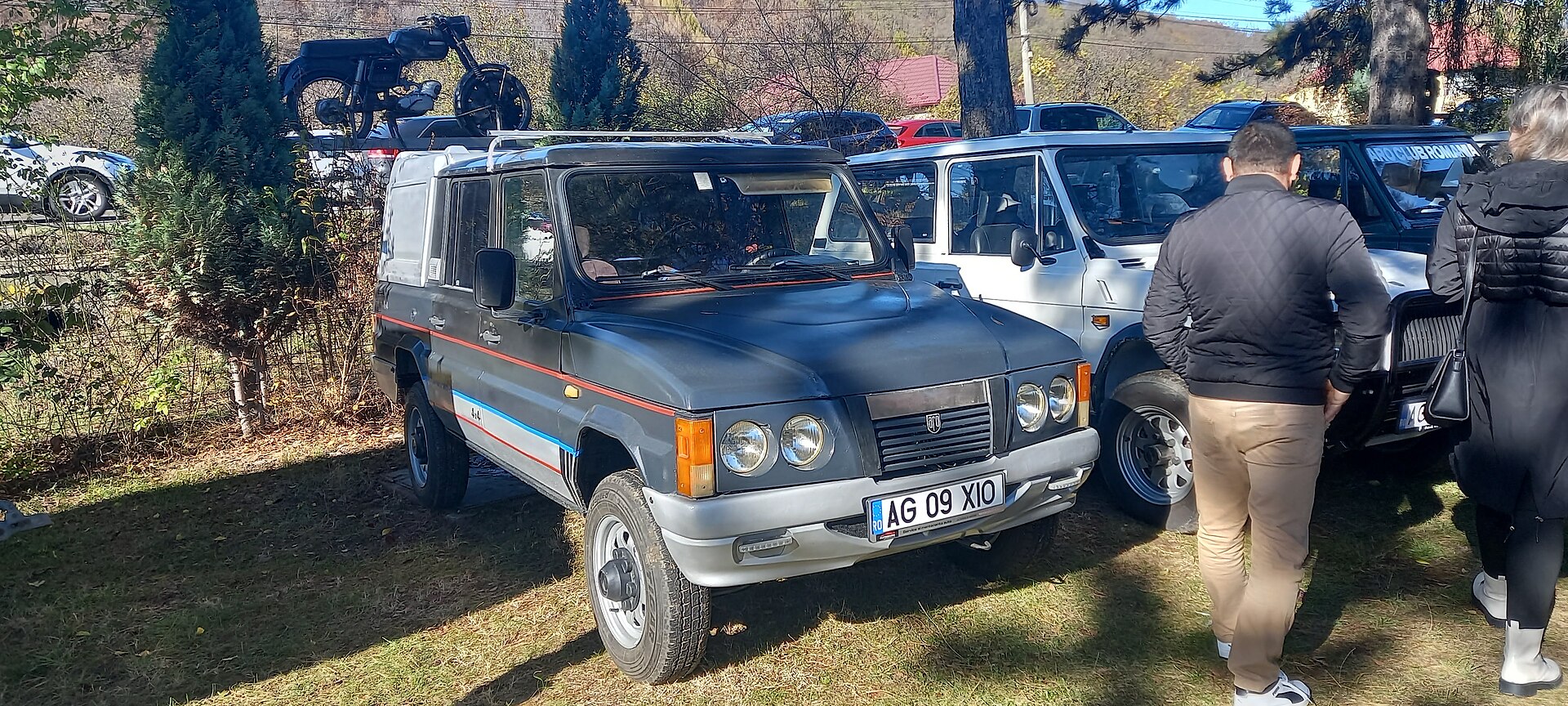
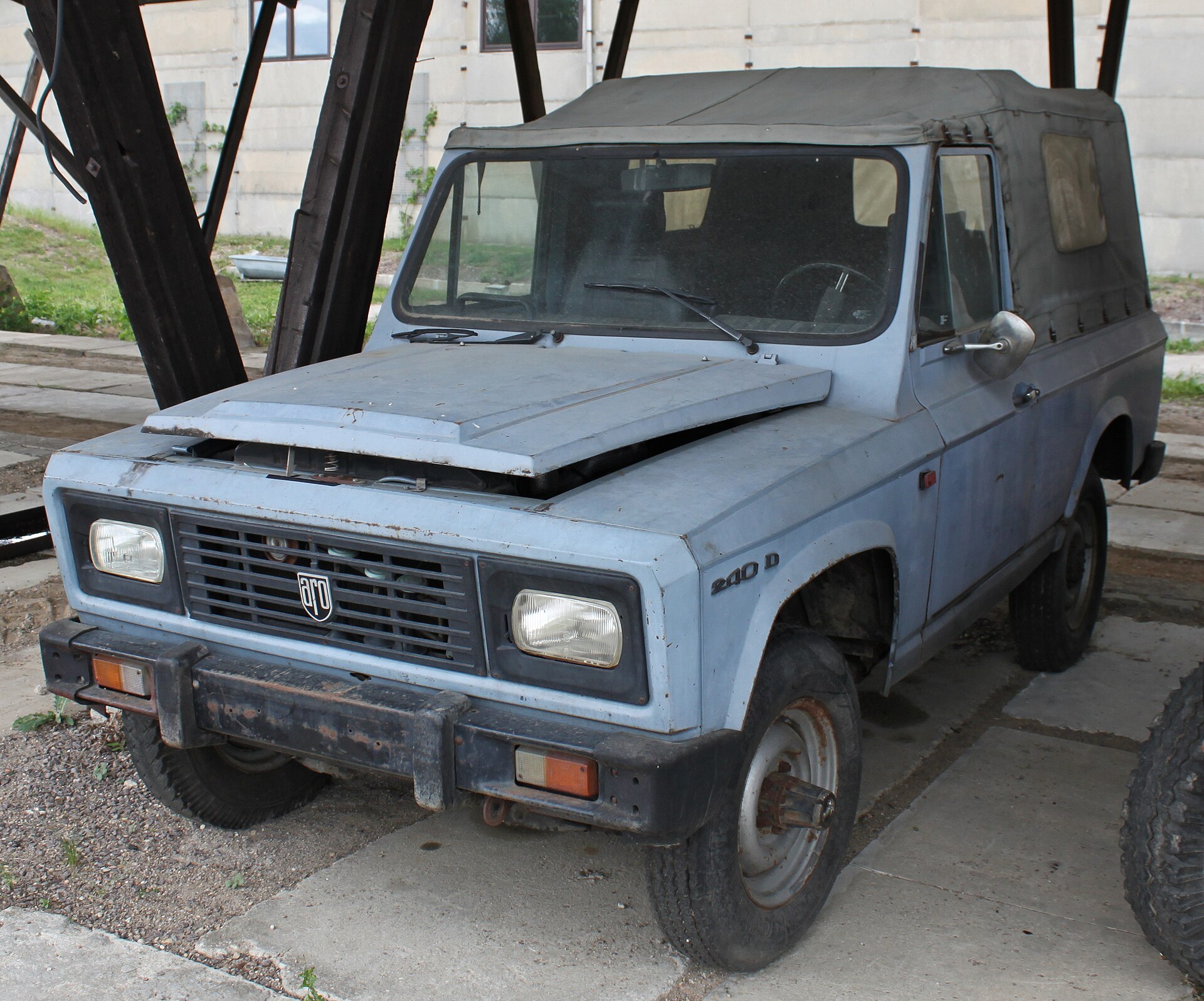
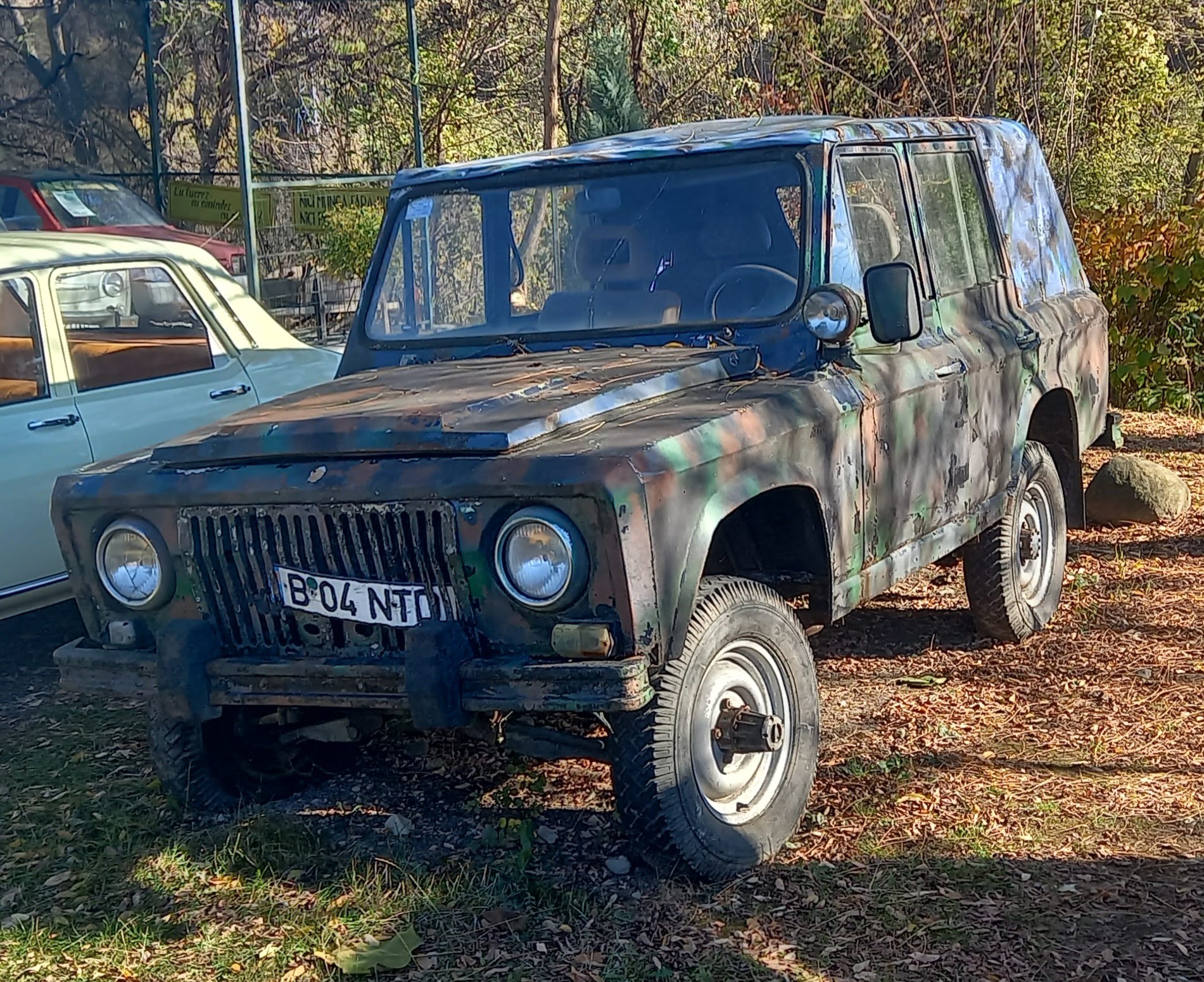
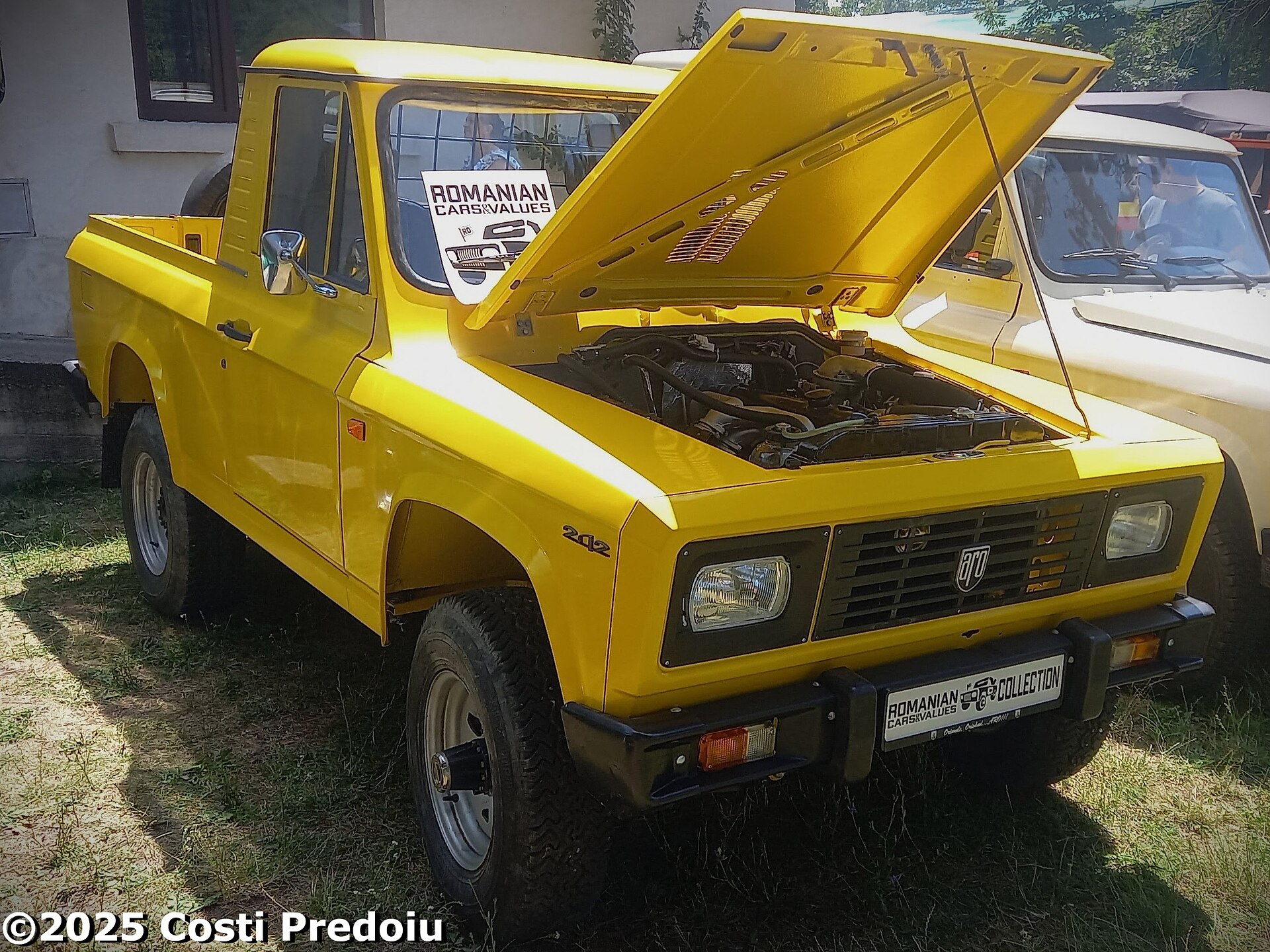
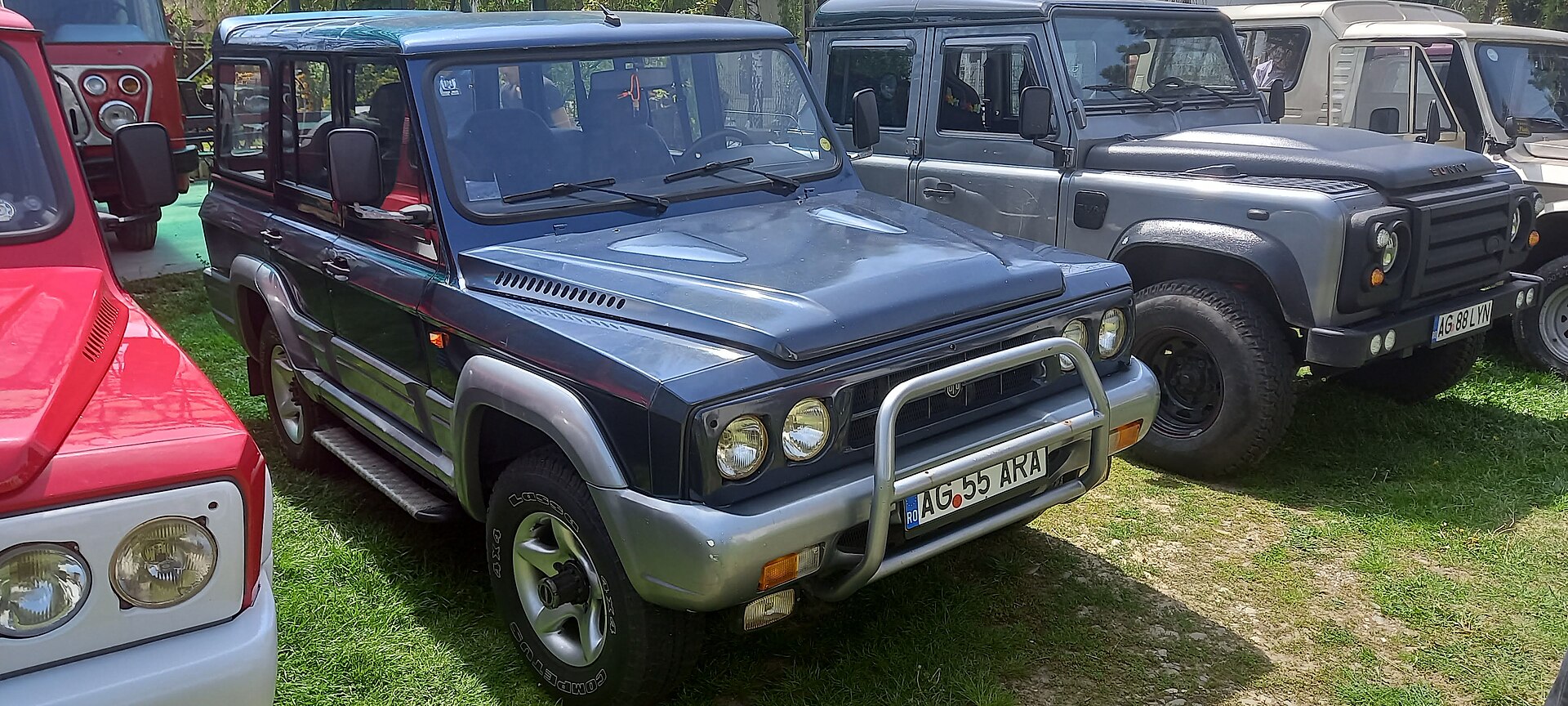
An interesting version of the ARO 10. The 11.9 is a 4-door pick-up offered by ARO. This model is produced from 1999 to 2006.ROCostiTheBunnyCZ · CC0 ↗


.jpg)