
The record
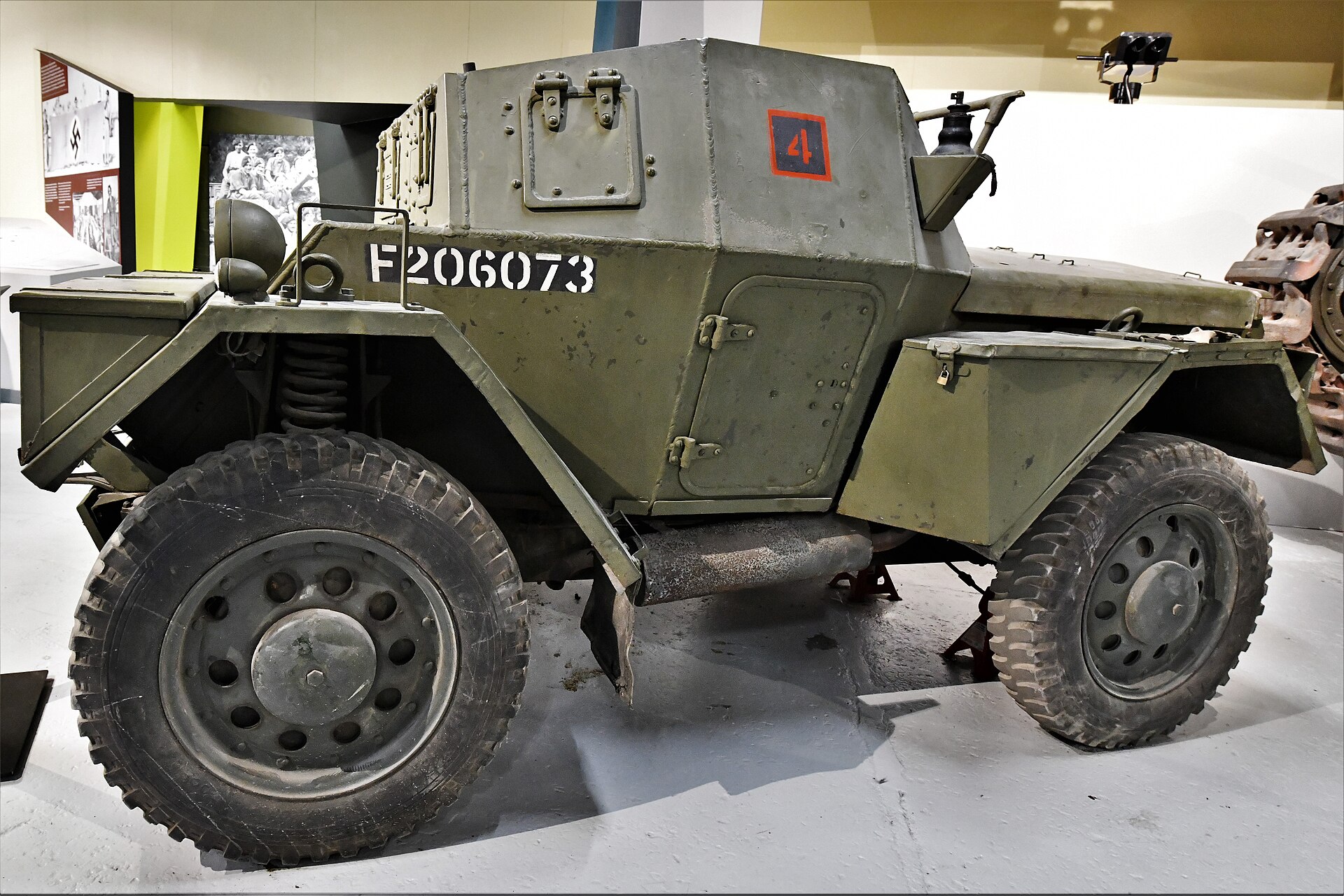
The Dingo’s H-drive let the early marks steer on all four wheels, which cut the turning circle to 23 feet; drivers found it hard to handle at speed and it was dropped on the Mk II, taking the circle out to 38 feet. It served through the Second World War and on in Malaya, Cyprus and Vietnam until 1974 — no replacement was thought necessary until the Ferret arrived in 1952. Ford of Canada built 3,255 as the Lynx between 1942 and 1945.
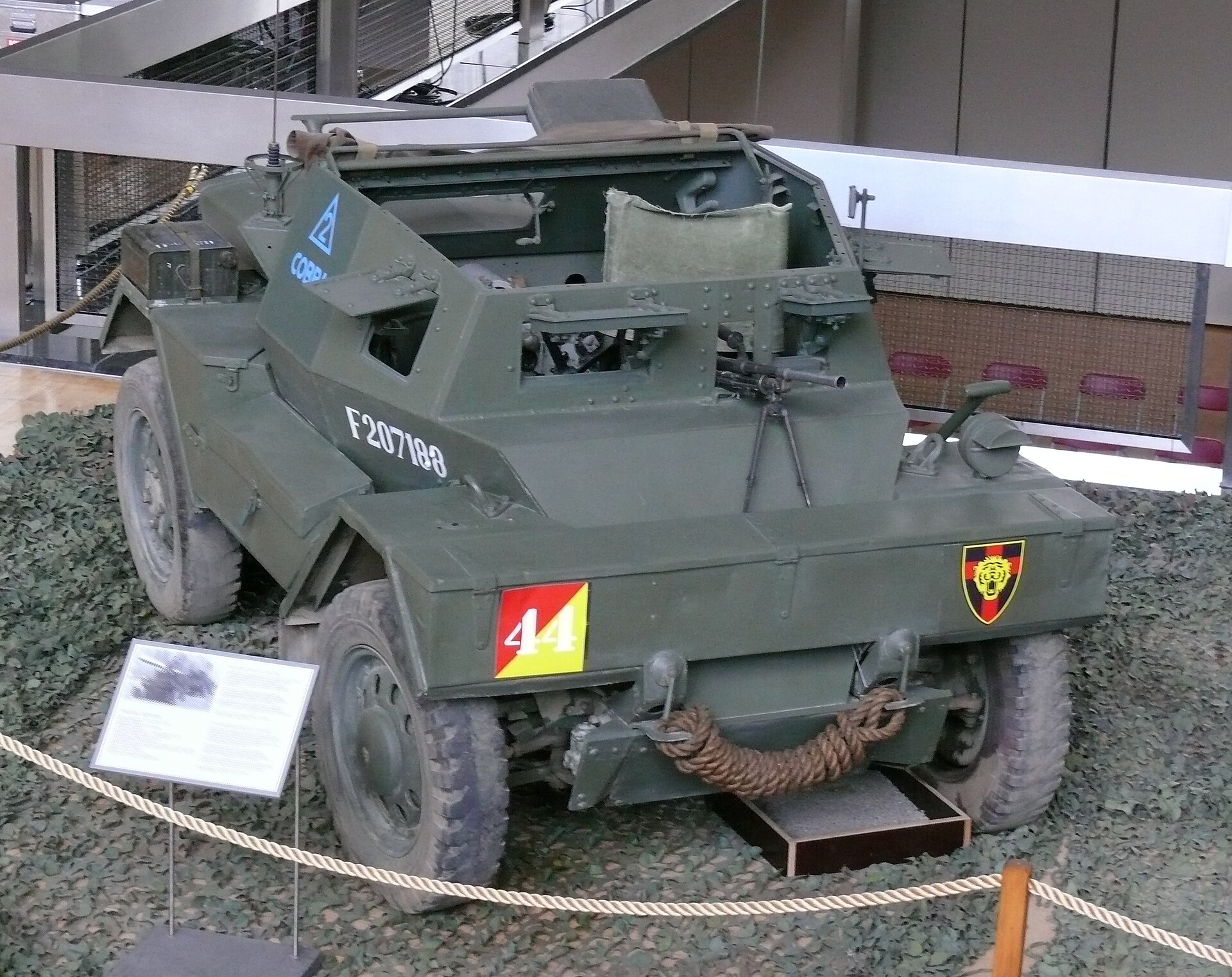
Procedural model research, 2026-09-28: shared scout hull represented in Mk II front-steering form with its folding armoured roof open. Four shared road wheels on a 1980 mm wheelbase; no spare, turret or later smoke launchers. Two crew, right-hand driver, asymmetric vision hatches and bins, full-width front stowage box, rear engine louvres and a light machine gun through the front port. All 18 supplied photographs inspected; several Bovington filenames say Mk II while museum labels identify Mk III, so they supply common hull detail only. Historical Mk I images are not used as Mk II roof/steering evidence. Representative service-drab finish and plain panels instead of invented unit/census markings. UK build origin retained; the populated export-operator list is broader than this row’s British Army operator and is preserved for review. See research/model-notes/stoneleigh-kelpie.md for inventory, exclusions and provenance. Handling values are game tuning.



.jpg)
.jpg)


