The record
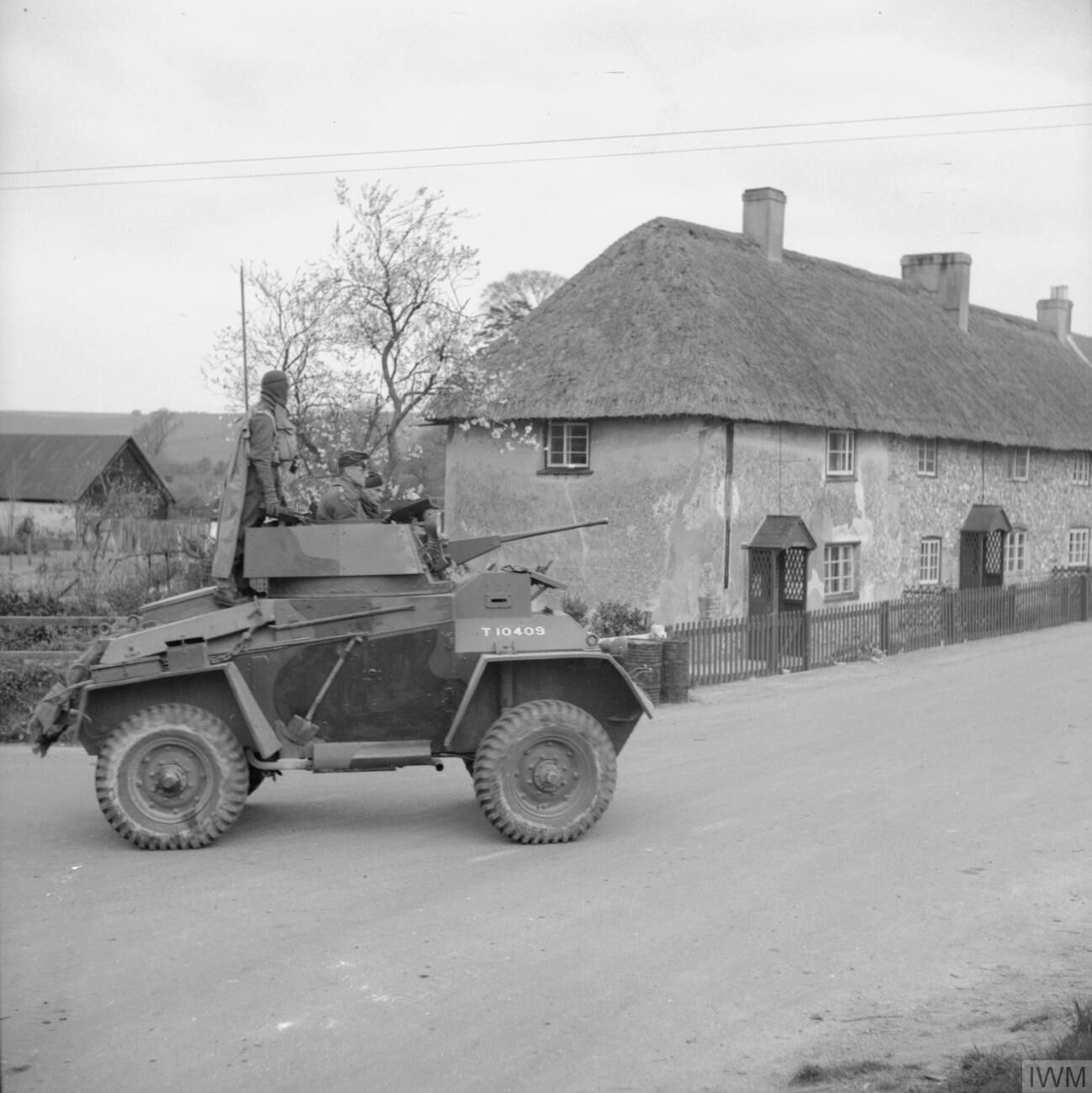
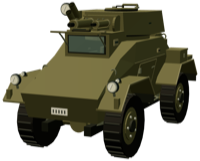
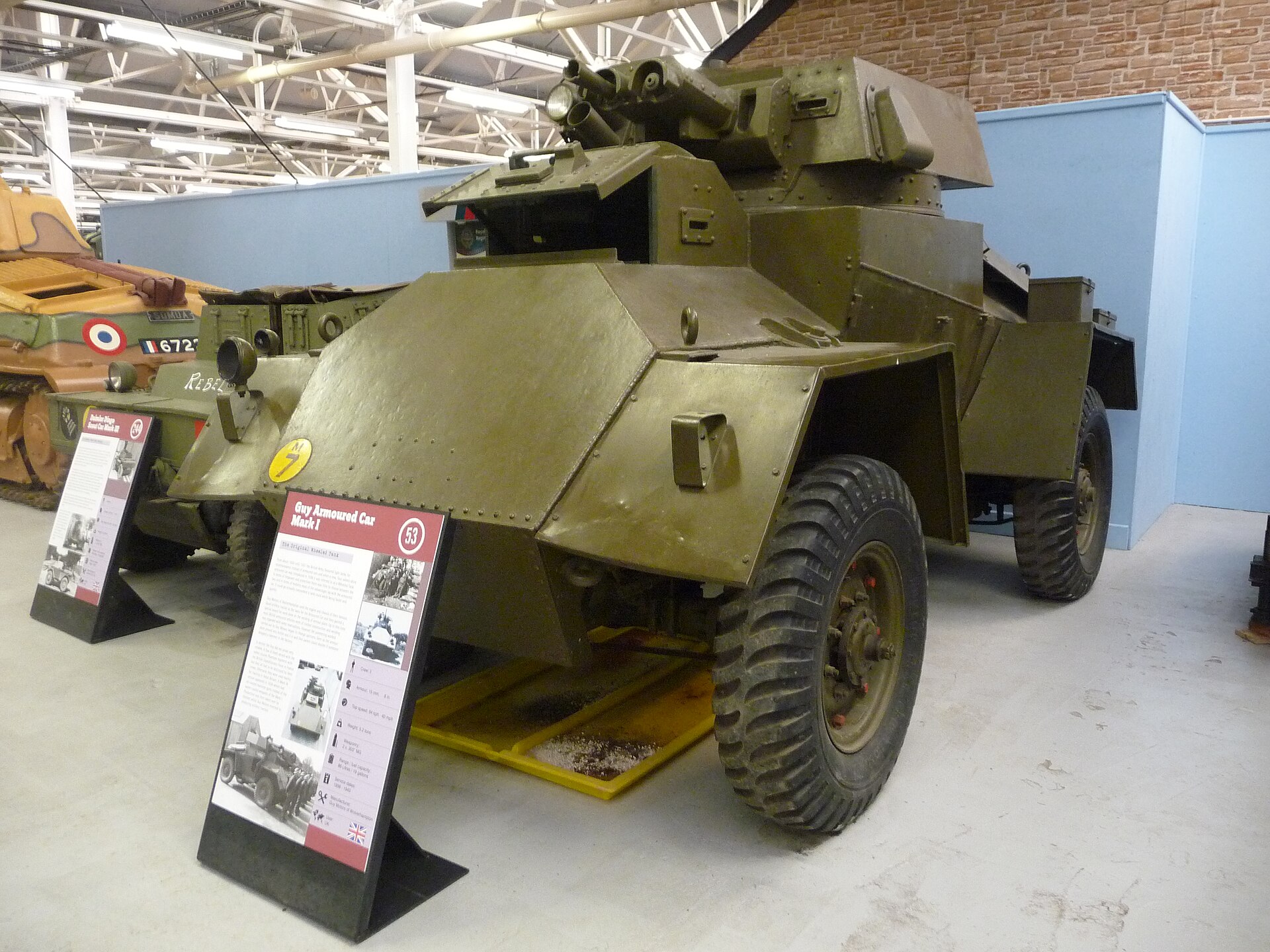
The contract specified riveted armour; Guy proposed welding, developed rotating jigs for the hulls and turrets, and offered to stand the cost of the first batch if the welds failed. They did not, and the Royal Commission on Awards to Inventors later recognised the technique. Guy lacked the capacity to build the car alongside its artillery tractors, so the design went to the Rootes Group, whose Karrier division built the Humber Armoured Car on its KT 4 chassis with welded hulls and turrets from Guy. Six Guys went to France with the BEF and were lost there; others served with British, Belgian and Dutch units in Britain until 1943. The Tank Museum at Bovington holds the only survivor.
Procedural Mk I review, 28 September 2026: all ten supplied originals and eighteen additional museum detail images inspected. Fresh compact welded body with raised central driver box/open visor and furnished cab, short water-jacketed twin machine guns, stacked right-side smoke tubes, deep wings, right silencer and solid rear cooling shield. Four exact shared road wheels on a nominal 102-inch wheelbase; the Haugh sheet prints an inconsistent metric conversion, so geometry uses 2590.8 mm. Existing power/speed statements retained despite secondary-source discrepancies. Warm khaki paint is representative under museum lighting. No prototype rivet rows, later armament, museum dolly, invented spare or unit markings. UK construction and British operation confirmed; populated Belgian/Dutch family operators preserved. Inventory and source limitations: research/model-notes/dunstall-armoured-car.md.