NAMED MODELFan favourites · Community & famousUnited Kingdom
Meteor Works.
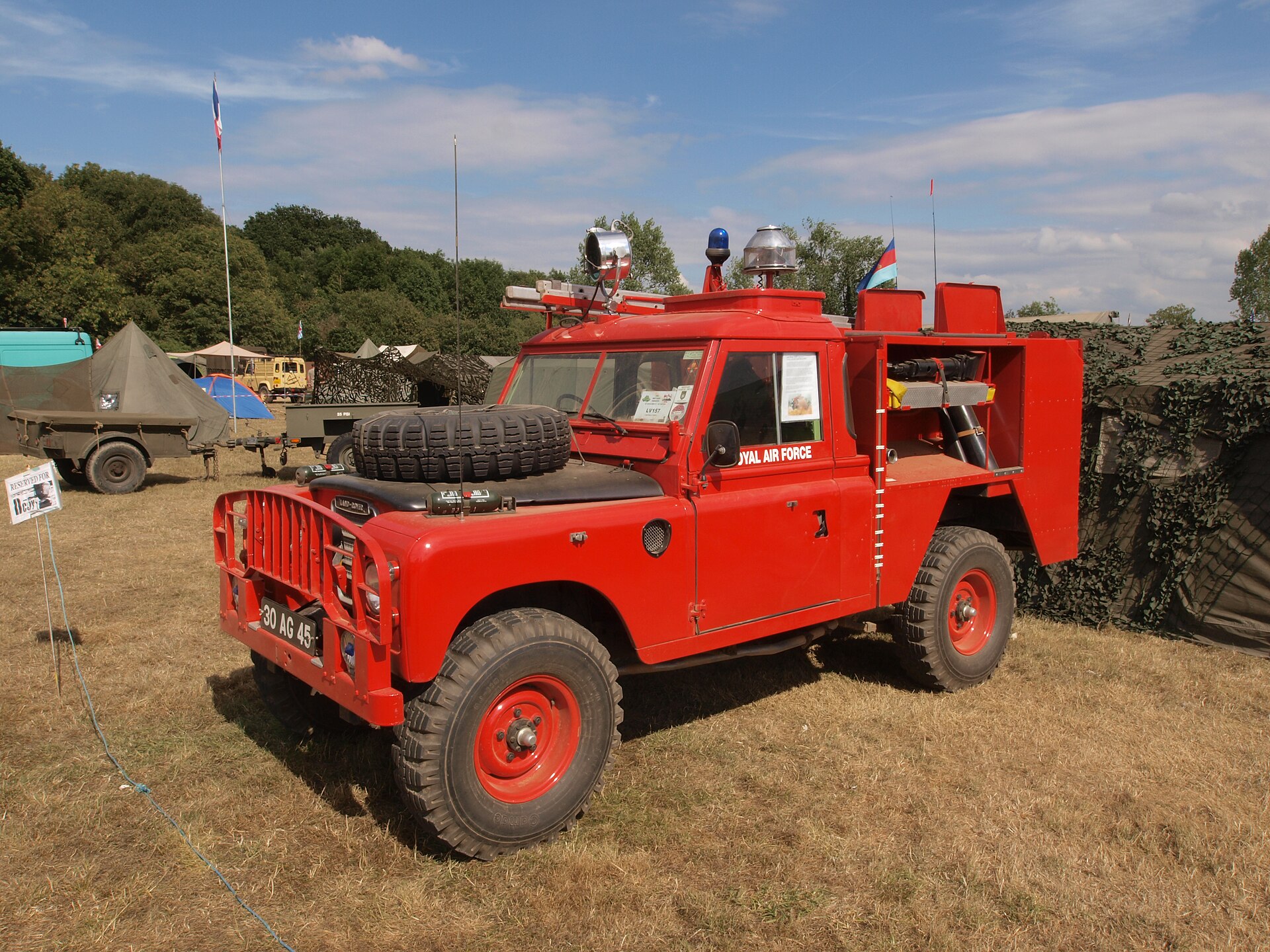
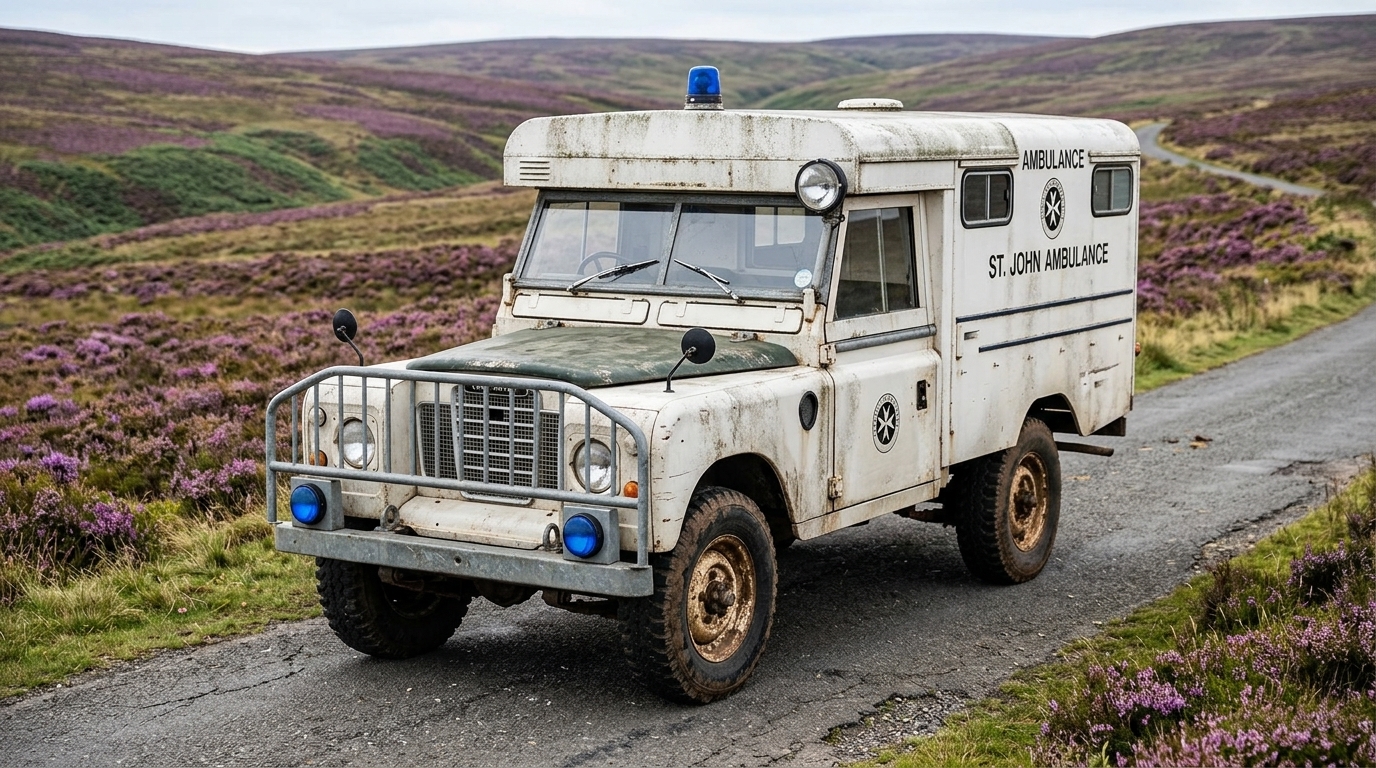
A real vehicle: 'Leyland', a 1979 Series III airfield crash rescue (ACR) ambulance with a Marshall of Cambridge body, and the founding project of UK-linked restorer The Meteor Works. It served the Royal Air Force at RAF Leeming before passing to St John Ambulance at Lytham St Annes, and is listed by its present custodians as Project One — 'the first truck in our garage'.
BASE VEHICLESeries III 109″CONVERTERThe Meteor WorksIN SERVICE1979OPERATED INUnited KingdomLAYOUT4 wheels · 109″
The record
The Meteor Works is a classic Land Rover restoration and parts operation whose stated aim is 'reengineering classic parts with a modern flair'. Alongside restoration and sales it sources, imports and ships vehicles internationally, and it documents its own fleet in an online garage. The company's exact base is not stated on its website, and it was not established during this research.
Project One in that garage is a 1979 Series III ACR Marshall ambulance the firm calls 'Leyland' — the first vehicle it took in. Its recorded history is Royal Air Force service as an airfield crash rescue ambulance stationed at RAF Leeming in North Yorkshire, followed by a transfer to St John Ambulance of Lytham St Annes in Lancashire. The Meteor Works has photographed it back on an airfield, noting the occasion as the first time the truck had been on one in over thirty years.
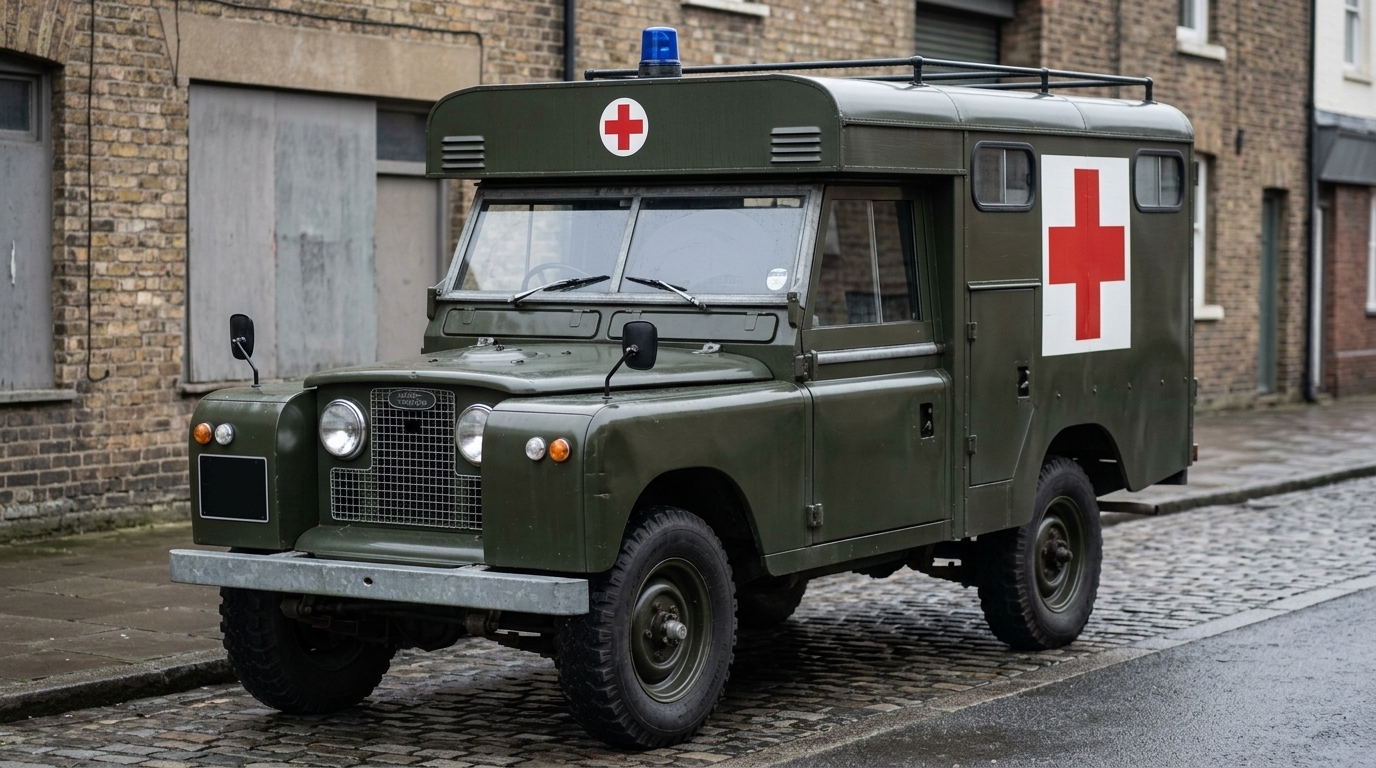
The type behind it is well documented. Land Rover ambulances were built on the 109-inch chassis from the late 1950s to the early 1980s, with the bodies supplied chiefly by Marshall of Cambridge (and Mickleover). The RAF version of the standard military ambulance is recorded in reference sources as FV18068, intended for the rapid recovery of airfield incident casualties and distinguished by a large front crash bar and a 240-volt shoreline socket that kept the battery charged for constant readiness. The route this vehicle took out of service is a common one: another Marshall-bodied RAF ambulance is recorded as serving twenty years at RAF Catterick before likewise joining St John Ambulance.
The firm's name echoes the Rover Company's own Meteor Works — the Coventry factory whose name Rover carried over to the Solihull plant where the Land Rover was developed in 1947-48 — though the sources consulted do not state whether that is the intended reference.
No source consulted records this particular vehicle's paint scheme or registration, so no factory colours are recorded here.
MANUFACTURED1979; RAF service, then St John Ambulance, now preserved by The Meteor Works
ENGINE2,286 cc (2.25-litre) inline-four, the standard Series III 109 fitment; this vehicle's engine is not separately documented in the sources consultedLand Rover 2,286 cc petrol
STATUSpreserved; Project One in The Meteor Works' garage
WHEELBASE109 in
BODY BUILDERMarshall of Cambridge
TYPE DESIGNATIONRAF airfield crash rescue ambulance; the RAF Marshall ambulance is recorded in reference sources as FV18068
PRIOR OPERATORSRoyal Air Force (RAF Leeming); St John Ambulance, Lytham St Annes
RECORD KINDNamed model
MODEL LINESeries III
FAMILYmarshal-body
WHEELS4
NOMINAL WHEELBASE109″
CATEGORYFan favourites · Community & famous
Catalogue fields describe the vehicle's structure and body as this registry records it. They are not certified factory measurements, and no performance figures are published here.
6Marshall ambulance family — marshal-ambulance, meteor-works, raf-marshall-rescue · HERITAGE-FLEET-REFERENCES.md
The Series IIA 109-inch Marshall ambulance body is shared by the army ambulance,
Meteor Works (Fan Favourites), and RAF Crash Rescue variants. The shared shell has
an extended rear overhang, a broad low roof with rounded eaves, high side windows,
paired rear doors, and a closed angled lower rear panel sweeping upward behind
the rear wheel. The additional `images.jpeg` rear photograph establishes the
full-width sloping panel, central folded hatch, recessed paired lamps and lower
round reflectors; no deployed horizontal step is shown. Preserve these common body features when adding further liveries.
RAF Crash Rescue uses the user-supplied TRP 291G photographs: dark blue body,
yellow roof, waist stripes and bumper, white/red medical panels, CRASH RESCUE
brow lettering, ROYAL AIR FORCE side lettering, amber roof beacon, paired blue
front lamps, aerials and an outboard searchlight. Listed under UK military and
Special Vehicles rescue/ambulance. Reference files supplied by the user:
`imagesg.jpeg`, `imagesgdsgds.jpeg`, `kkk.jpeg`, `imagesll.jpeg`,
`e6e0e10c51677d4b1471d6c1dc1de9cagdgs.jpeg`, and `imageshh.jpeg`.
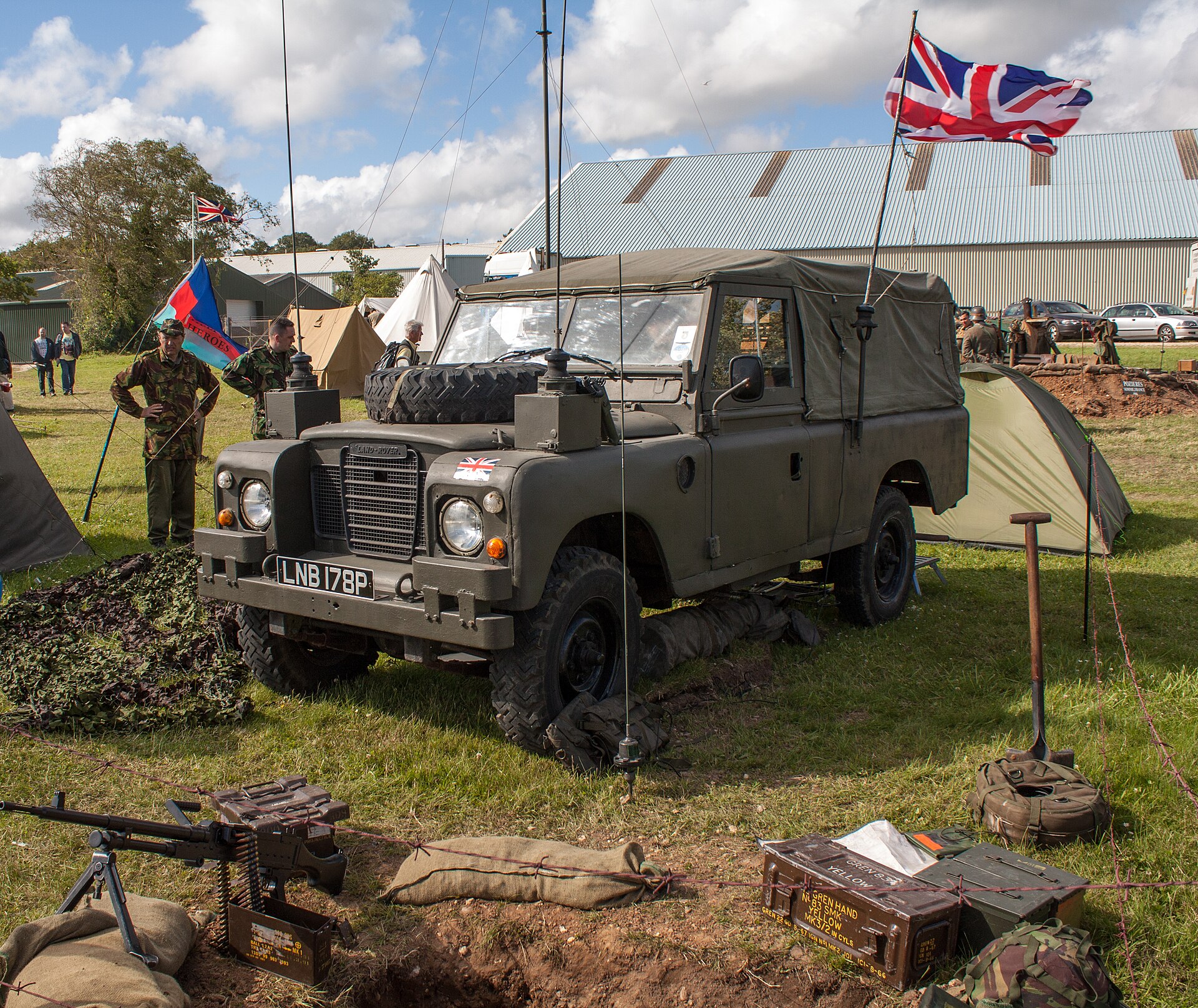
The final photograph also illustrates a later Series III Marshall-bodied ex
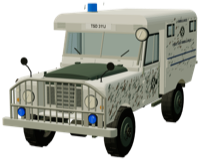
 UK Marshal Body Ambulance
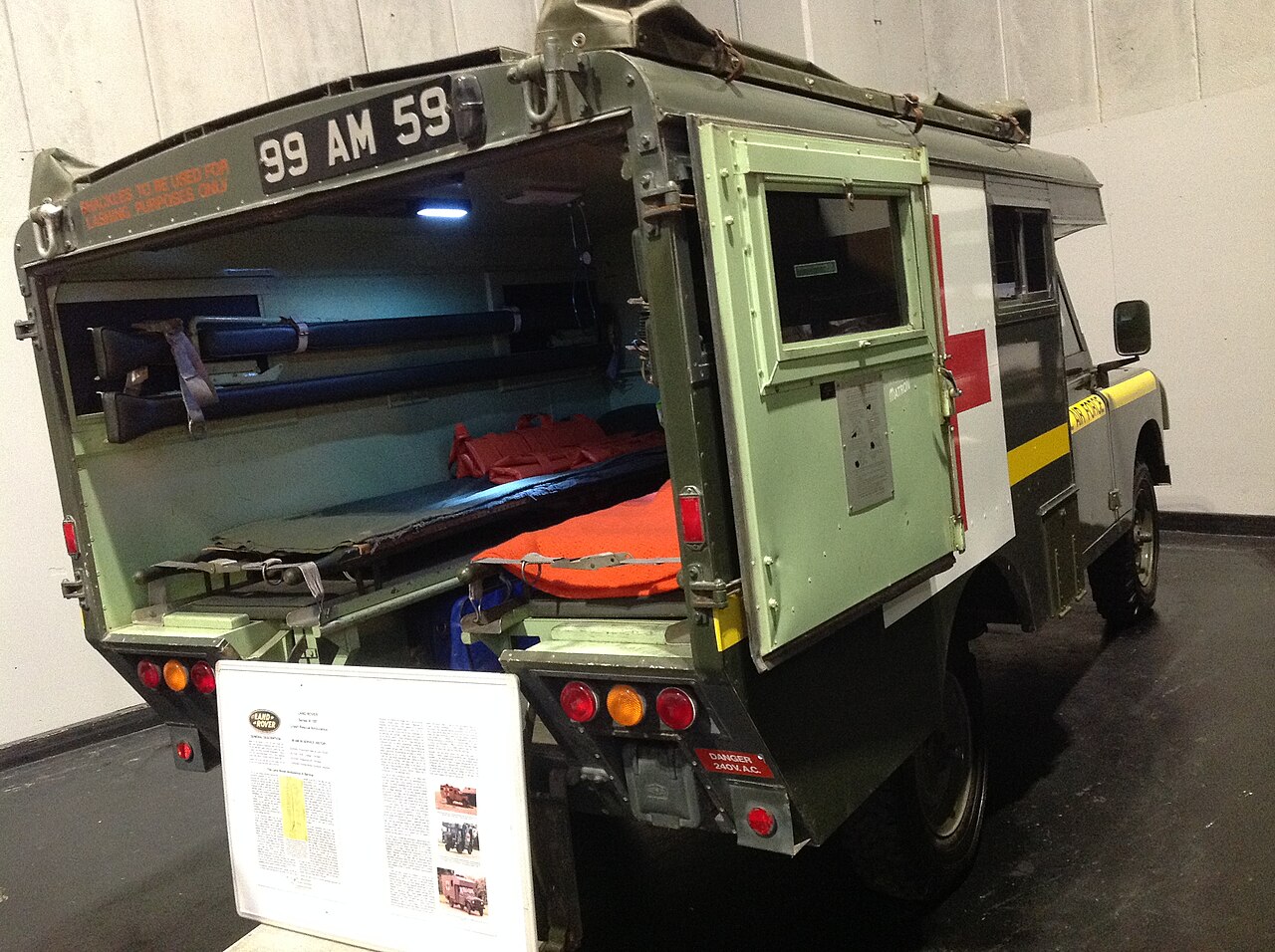 RAF Crash Rescue Marshall Ambulance