The expedition
The 1959 Mission Berliet-Ténéré had proved that Berliet's six-wheel-drive Gazelles could link Algeria and Chad straight across the desert, but the line it took through the Ténéré and the Erg of Bilma was no road for the standard lorries that a commercial service would need, and goods for the new republics of central Africa were still paying for a 700 km detour by Nigeria. In April 1960 Berliet tested two-wheel-drive GLR and GLM lorries on sand tyres between Fort-Lamy and Largeau, covering the 1,060 km in three days where the Chadian hauliers' four-wheel-drive MANs took five to seven. On 4 October 1960, presenting the mission film 'Les Tonnes de l'Audace' at the Palais de Chaillot, Berliet's chairman Émile Parfait announced a second expedition, and on 23 October — the day after Berliet opened a branch in Constantine, and the same day it inaugurated its Ouargla forward base for the giant T100 desert trucks — Maurice Berliet's column left Ouargla.
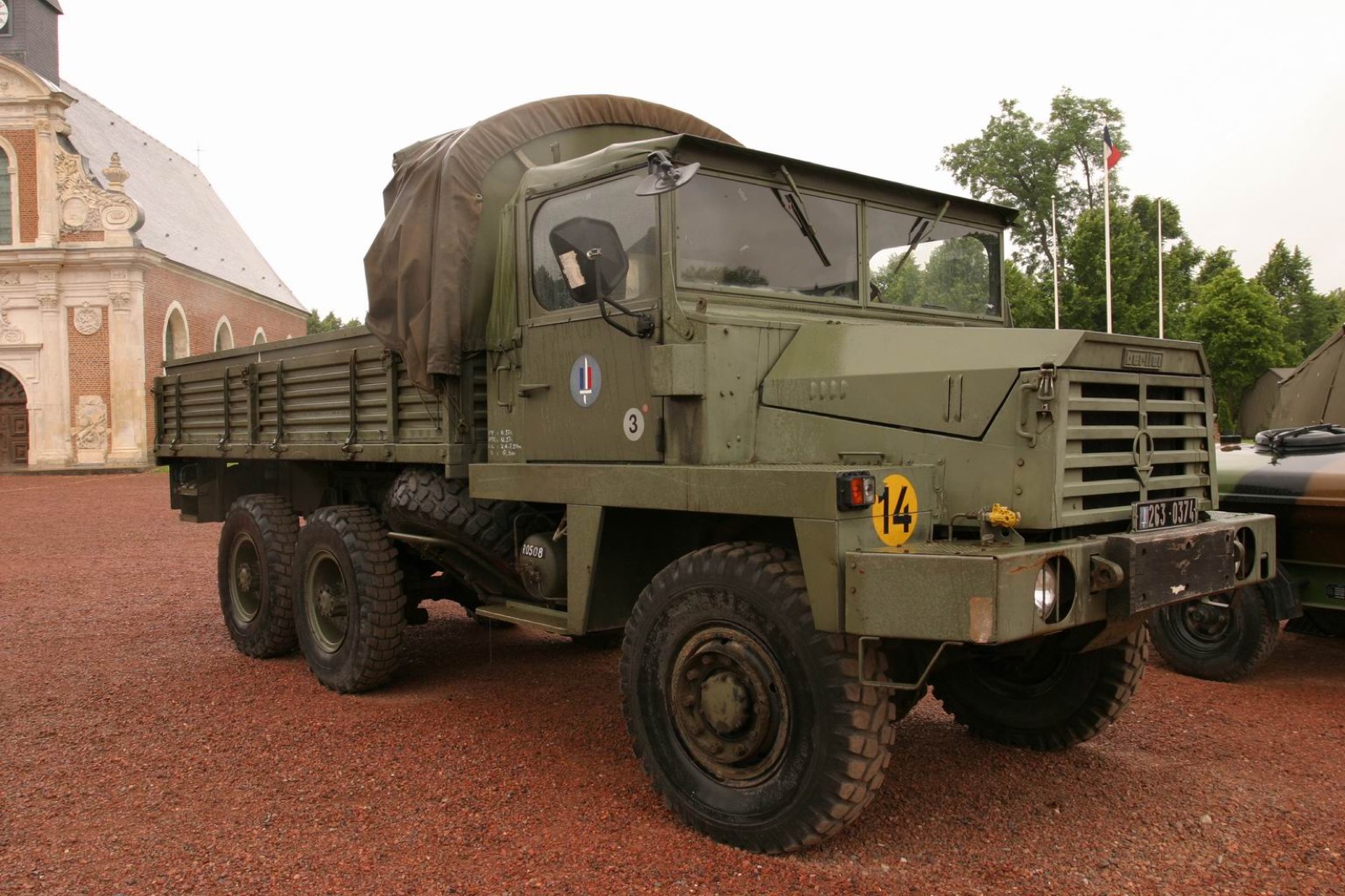
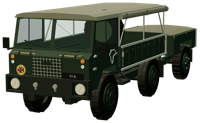
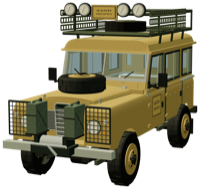
The fleet was seven of the nine Gazelle GBC 8 6x6s of the previous year, four Berliet GLM 10 M HC lorries built at the Rouiba factory of Berliet-Algérie, each on the latest 1400 x 20 Michelin sand tyres and loaded with eleven tonnes of cement, groceries and wine for Chad, a Bell helicopter flown by Voirin of Gyrafrique, and three Land Rover light reconnaissance cars — the Fondation Berliet's own count — on the pattern of the 1959 'éclaireurs', with the Saharan haulier Armand Deviq bringing his personal Land Rover as well; the Journal du 4x4 notes a civilian blue 109 station wagon for carrying dignitaries in the photographs. Commandant Armand again navigated from aerial photographs; Legal, Deviq, Roger Frison-Roche, the prehistorian Hugot and Dr Cohen made up the party, and Salmeron and Roguiez led the Berliet technical crew, almost all veterans of the earlier reconnaissances. Maurice Berliet later said there was not a single incident with the Land Rovers on either mission.
Djanet was reached on 28 October and the column went into the Ténéré the next day, following the January route along the Monts Gautier and improving it as it went; in two days it was at Séguedine, collecting neolithic remains on the way. From there an entirely new line took it to Zouar in the Tibesti, marking the main changes of heading with posts, then down onto the Tripolitania–Chad track to Largeau and on across the savanna of Massakory to Fort-Lamy, where the President of the Republic of Chad and his ministers received the mission. The four GLMs had behaved perfectly over the whole 4,840 km without a moment's difficulty, burning 49 litres of diesel per 100 km with eleven tonnes aboard; Deviq's verdict was that once the route was marked, 25-tonne payloads could run it safely. The Fondation Berliet's photographs show the Gazelles bogged and dug out at Aïn Galakka, the camp under the great dune at Brouklou, Dr Cohen's yellow Gazelle and the planting of Balise Berliet no. 13.
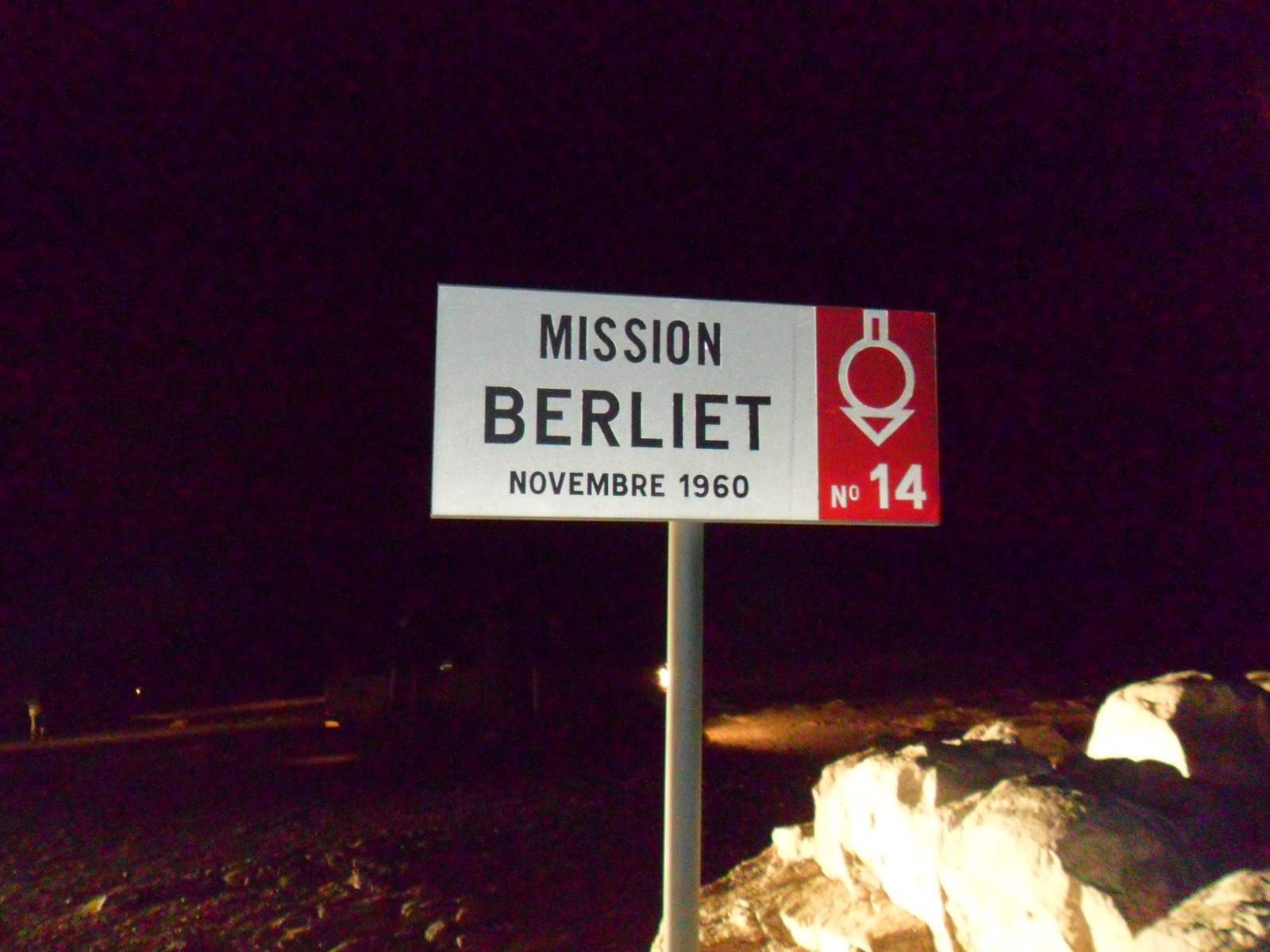
The mission left Fort-Lamy on 17 November for a return devoted purely to exploration and marking, reduced to the Berliet 'exploration cell' of seven Gazelles, the helicopter and the three Land Rovers, joined by the scientists Mauny and Keysel. From near Zouar it worked back across the northern Ténéré by Adrar Bous to Mount Tiska near Djanet, setting up 22 red-and-white 'Mission Berliet — Novembre 1960' balises whose positions are still printed on the Michelin 741 map; some survive in the desert, and no. 14 was re-erected in 2005. It studied prehistoric sites, reconnoitred the Trou au Natron crater, examined an unmapped ruined settlement found from the air by the helicopter pilot and named the 'site Voirin', and made the first east–west crossing of the Ténéré from Séguedine to the Djebel Gréboun in the north-east of the Aïr. After a halt in the Monts Gautier the column reached Djanet on 7 December 1960. Robert Capot-Rey summarised both missions in the Annales de Géographie in 1964; the Fondation Berliet in Lyon holds the archive and a restored Gazelle from the two missions.