The expedition
Land Rover and the Royal Geographical Society (with IBG) created the Go Beyond Bursary in 2008: a grant and the loan of a prepared vehicle for a journey that would 'promote a wider understanding or enjoyment of geography'. Its first winners were three friends who called themselves Team Latitude, with a plan to follow the line of 50° north — the parallel that runs through the Lizard, Prague, Kyiv, Kazakhstan, Mongolia and Vancouver — around the world, keeping as close to it as roads and tracks allowed and stopping for semi-structured interviews with farmers and others about how they live with their environments.
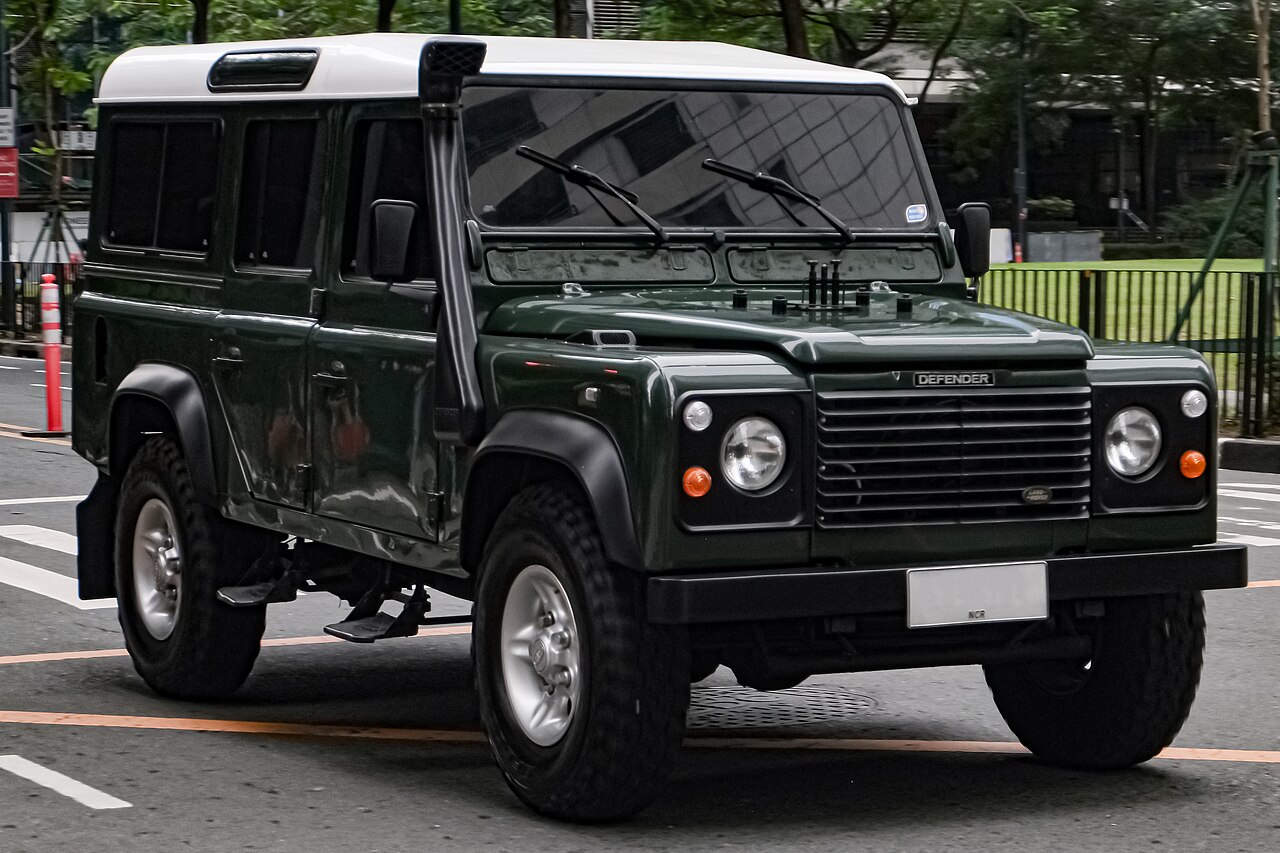
After finishing touches at their London base, the team drove to Cornwall and officially began on the Lizard peninsula on Wednesday 30 April 2008, with the local press at the Goonhilly satellite earth station, a symbolic three-mile run west to east along the parallel, a first case study with a farmer named Trevor, a visit to the Helston charity ShelterBox and a school talk at Mullion. The Calais ferry took them to Belgium and Bastogne, then Prague and Kraków, where the Polish roads gave Roxanne, the Defender, her first rough going. From Tarnów they crossed into Ukraine, stopped in Lviv, wild-camped in a government reserve until armed anti-poaching guards moved them on, and reached Kyiv and Chernobyl before what they expected to be their hardest border, into Russia. Fifteen hundred miles of featureless western Kazakhstan followed, with days spent digging the Land Rover out on the parallel — five hours and two land anchors for one bog — before Astana, Karaganda, black-market diesel and the former nuclear test site at Semey, where a farmer who had been a scientist there gave them sour horse's milk. A section of suspension sheared on the potholes and was welded back on by three cowboy mechanics across the Russian border on the way to Barnaul and the Altai.
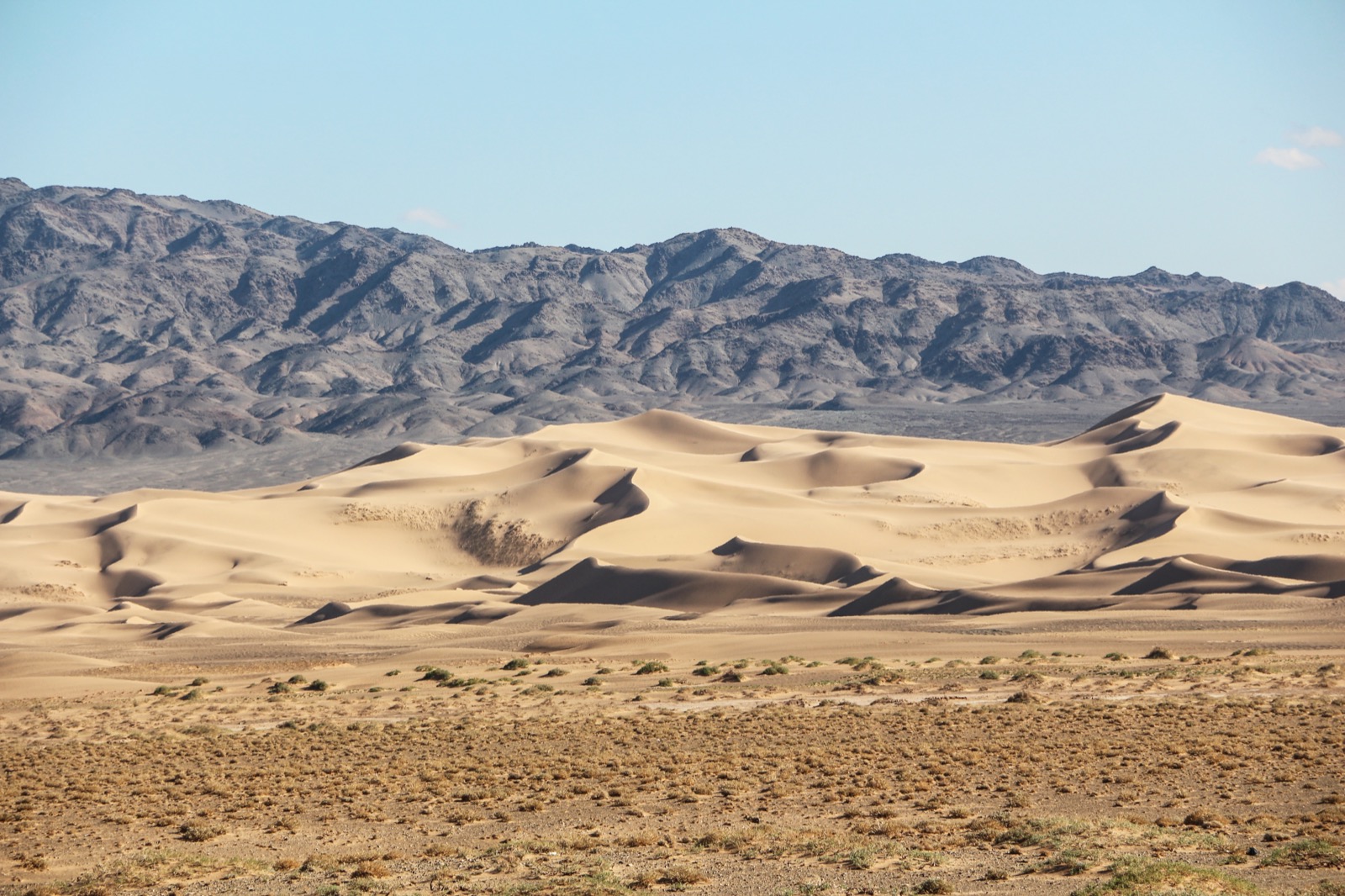
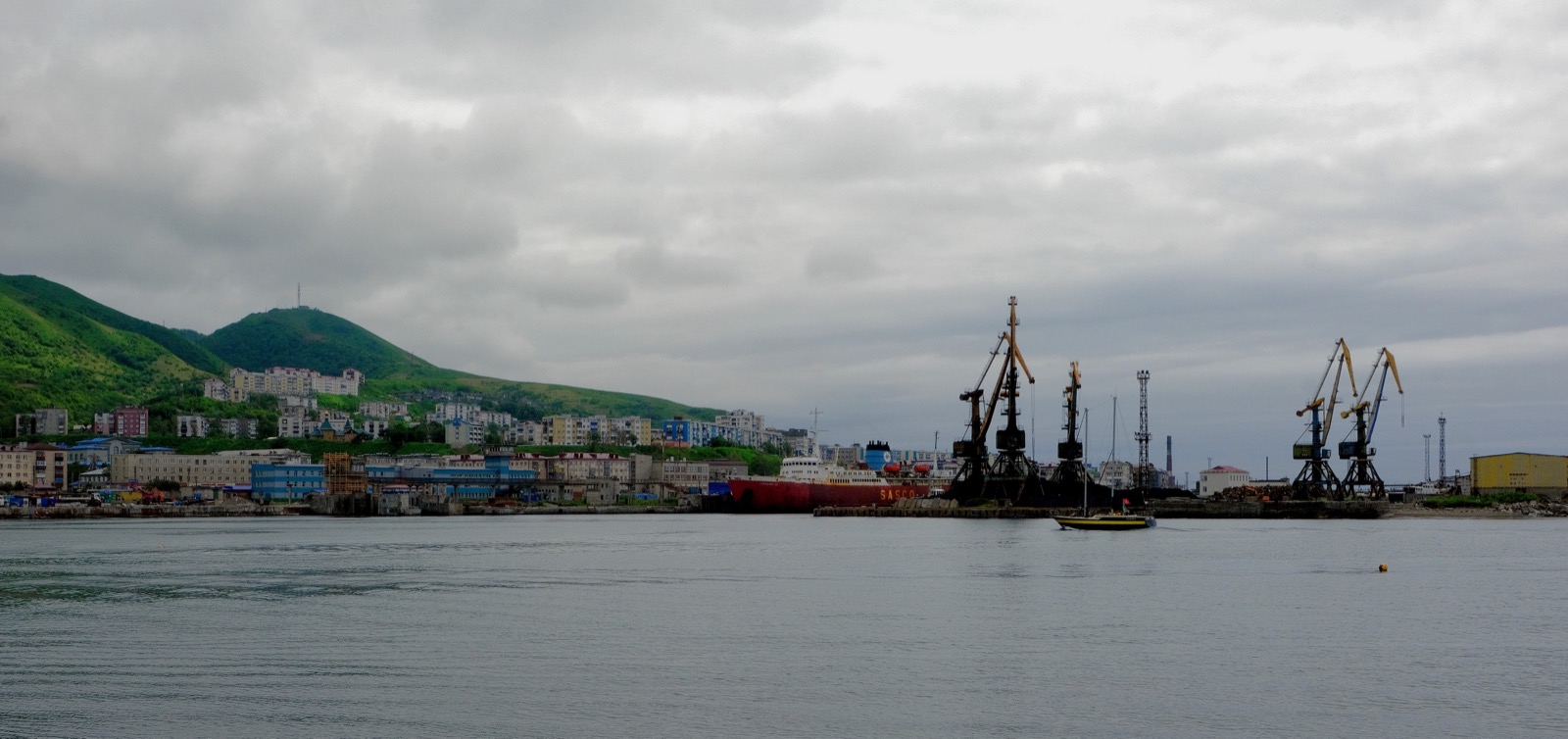
Mongolia was the heart of the trip: Altai, Mörön and Lake Khövsgöl, the Gobi's largest dunes climbed with sand ladders after Roxy stuck in the first valley, birthday beers and Ulaanbaatar in the rain. Back into Russia by a smugglers' crossing to Ulan-Ude and a camp on Lake Baikal, drinking straight from the lake, then 700 miles in two days with a turbo losing pressure, a roof rack rewelded for £60 at a car wash in Khabarovsk, 600 km of unmapped road to the port of Vanino and an eighteen-hour ferry to Kholmsk on Sakhalin, where the winch switch had somehow come to control the roof lights and the car was hauled off a rising tide with wires held to the battery. From Korsakov a Japanese ferry took them to Hokkaido, after hours of pressure-washing to pass quarantine, and four days of toll roads in the rain brought them to Nagoya for the Obon festival and shipping to Canada. The Canadian leg crossed the country along the parallel to the Atlantic before Roxy came home to the Lizard. Spike Reid, later an expedition leader, recalled 22,000 km in seven months without a single argument. The team's blog, Geography Journeys, and their sister site Three Go Sideways carried the story; the RGS lists Latitude as the first of eleven Land Rover Bursary journeys, and the 2009 winners, Atlantic Rising, followed it.