The expedition
Durrell's mother Louisa had died in January 1964 and the naturalist was drinking heavily and worried about the finances of his Jersey Zoological Park and its new Wildlife Preservation Trust. After a holiday in Corfu that year he and the BBC agreed on a collecting expedition to Sierra Leone which the Corporation would film as a documentary series about animal collecting; Chris Parsons of the Natural History Unit, who had first met the Durrells when he went to Jersey to film them, produced it, and his memoir 'True to Nature' gives the crew's side. Jacquie Durrell, who had disliked her time in the Cameroons on the earlier collecting trips, refused to go to Sierra Leone and went to Argentina instead to prepare a possible third expedition there; Durrell took his young assistant John Hartley. The trip is the first of the three adventures in Durrell's 1972 book 'Catch Me a Colobus', where he describes the pleasant surprise of decent accommodation in Freetown after being warned to expect the worst.
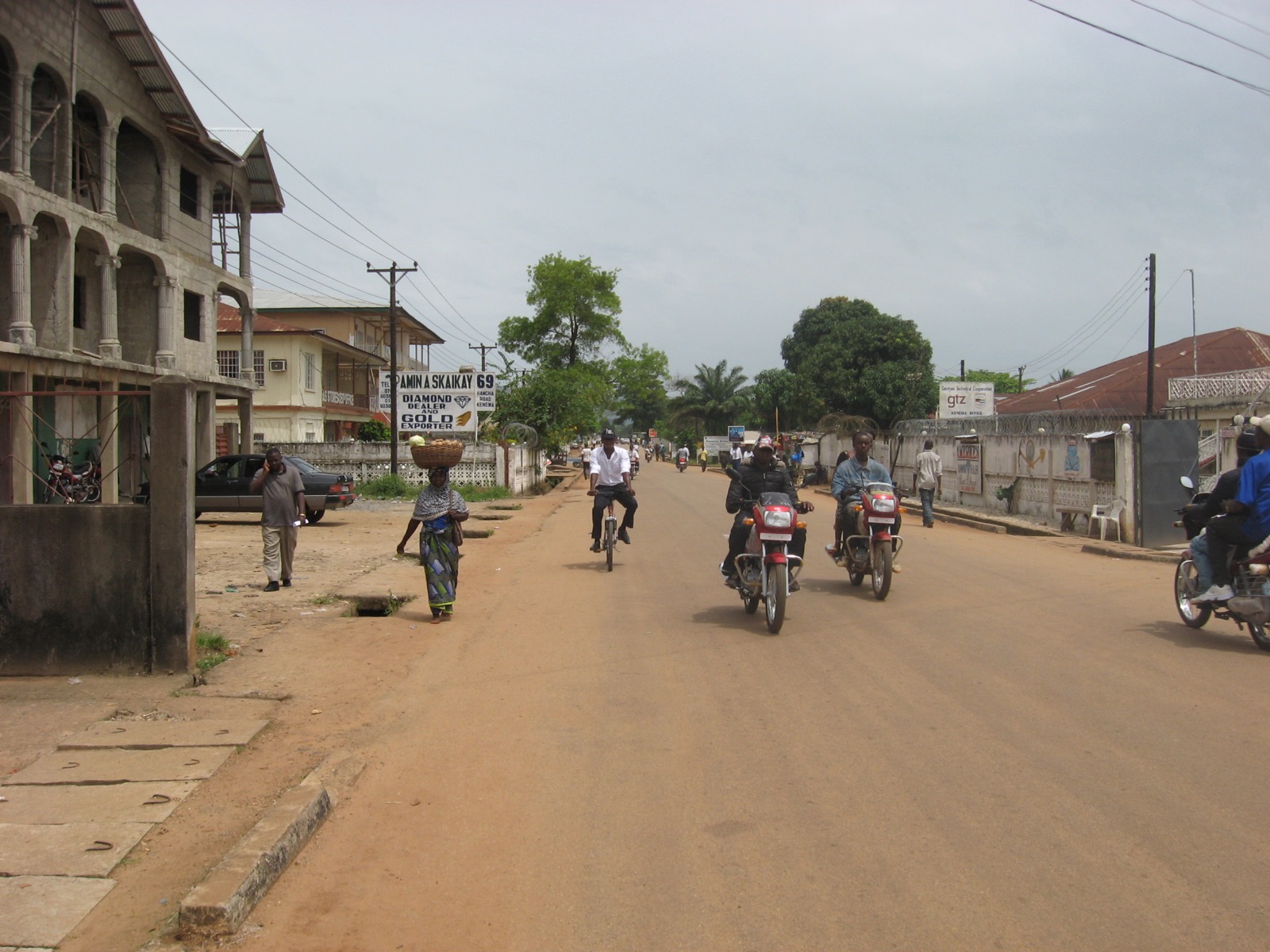
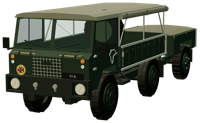
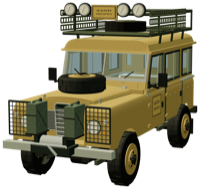
Durrell sailed in January 1965. A colleague working as an adviser to the Sierra Leone government had suggested Kenema, in the Eastern Province, as a base, and the expedition settled into the old buildings of a chrome mine in the hills behind the village of Bambawo, ten miles north of Kenema and about 200 miles inland from Freetown; Parsons describes the three of them in the cab of the Land Rover on the drive up-country, and Bambawo, a former mine and later forestry school, still shows up in later travellers' accounts as 'Durrell's base in 1965'. There were two Land Rovers: when the base was ready the large one was piled with the expedition's gear and driven up to Bambawo, while the small one was left in Freetown for the BBC team to follow in; Parsons records driving Gerry in his own Land Rover to the filming locations and, on one occasion, meeting on the road a Land Rover parked by the roadside and the familiar figure beside it. Fresh food was hard to come by in Bambawo or Kenema — apples were a find — and the leopards were a trial, one bad-tempered animal having to be persuaded into a cage with another that showed every desire to fight.
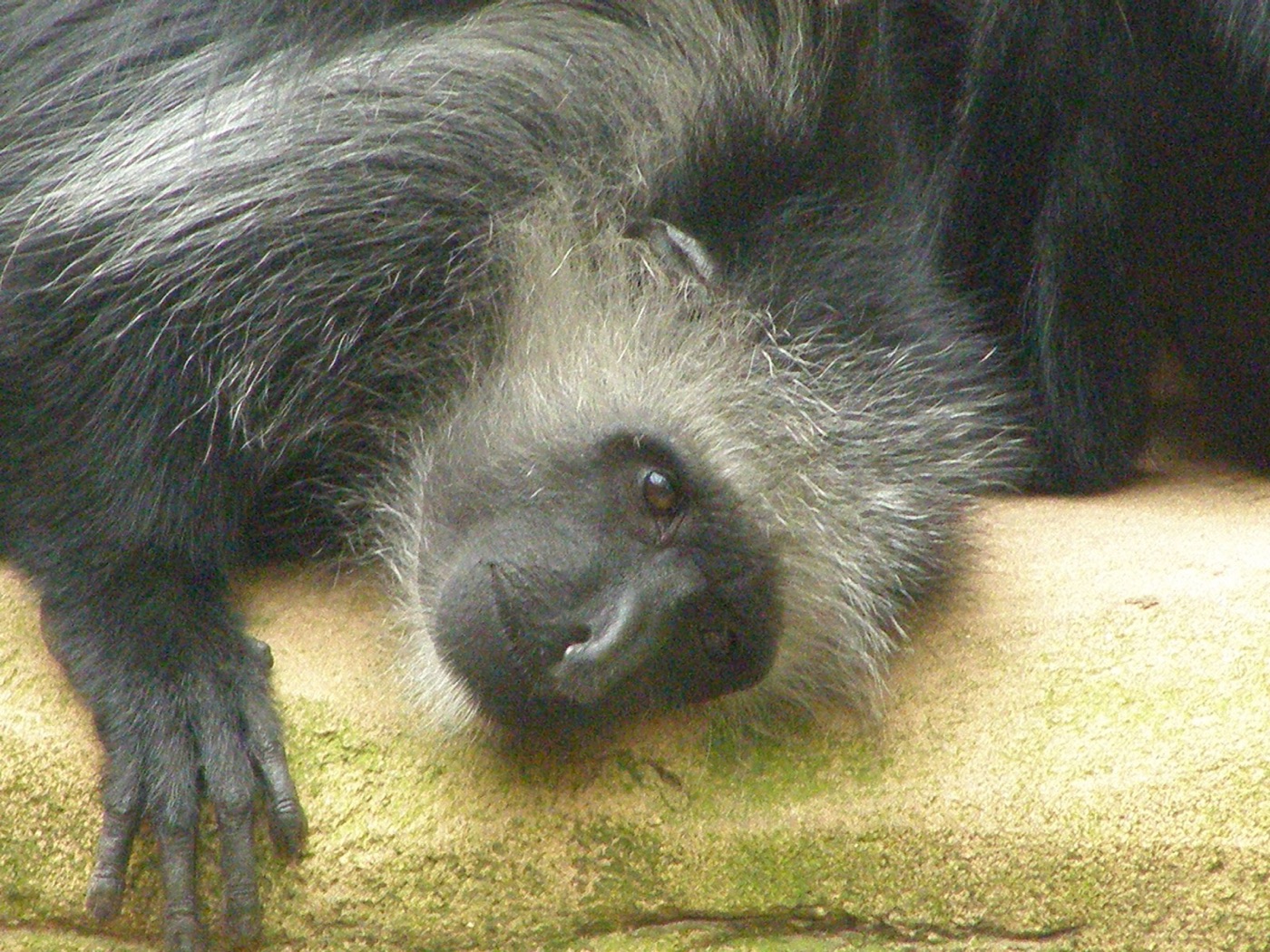
The two objects of the expedition were the leopards and the beautiful colobus monkeys, the red-and-black and the black-and-white, which the hunters found particularly troublesome to catch; the fifth programme of the series, 'Monkee Clever Too Much', took its title from their verdict. The collecting and filming otherwise went well, until Durrell was hurt in an incident with one of the Land Rovers: his ribs and breastbone were crushed, ribs pierced a lung and his spine was injured, and he was in pain for the rest of the trip. Jacquie flew out to Freetown to help him bring the animals and the party home. The resulting six programmes, narrated by Durrell, went out on BBC children's television in early 1966 — part five on 22 March — and the Times Educational Supplement called the series 'one more television classic in natural history'. Douglas Botting's biography reproduces a BBC Natural History Unit photograph of Durrell and John Hartley during the shooting. The colobus and other animals stocked the Jersey collection; the book, published in early 1972 after 'Fillets of Plaice', sold well despite mixed reviews and remains the accessible record of the expedition. Neither source fetched gives the Land Rovers' models or registrations.