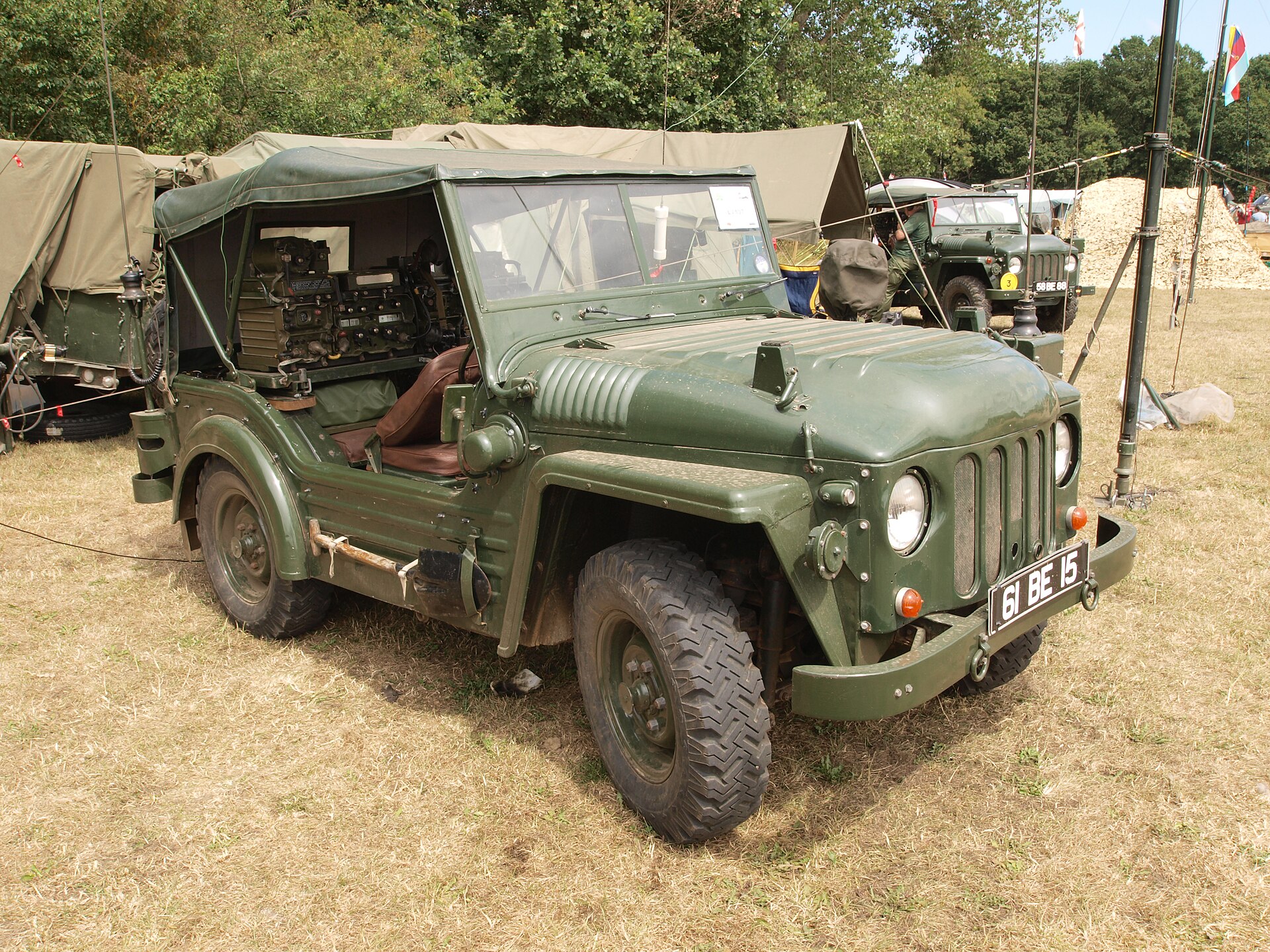
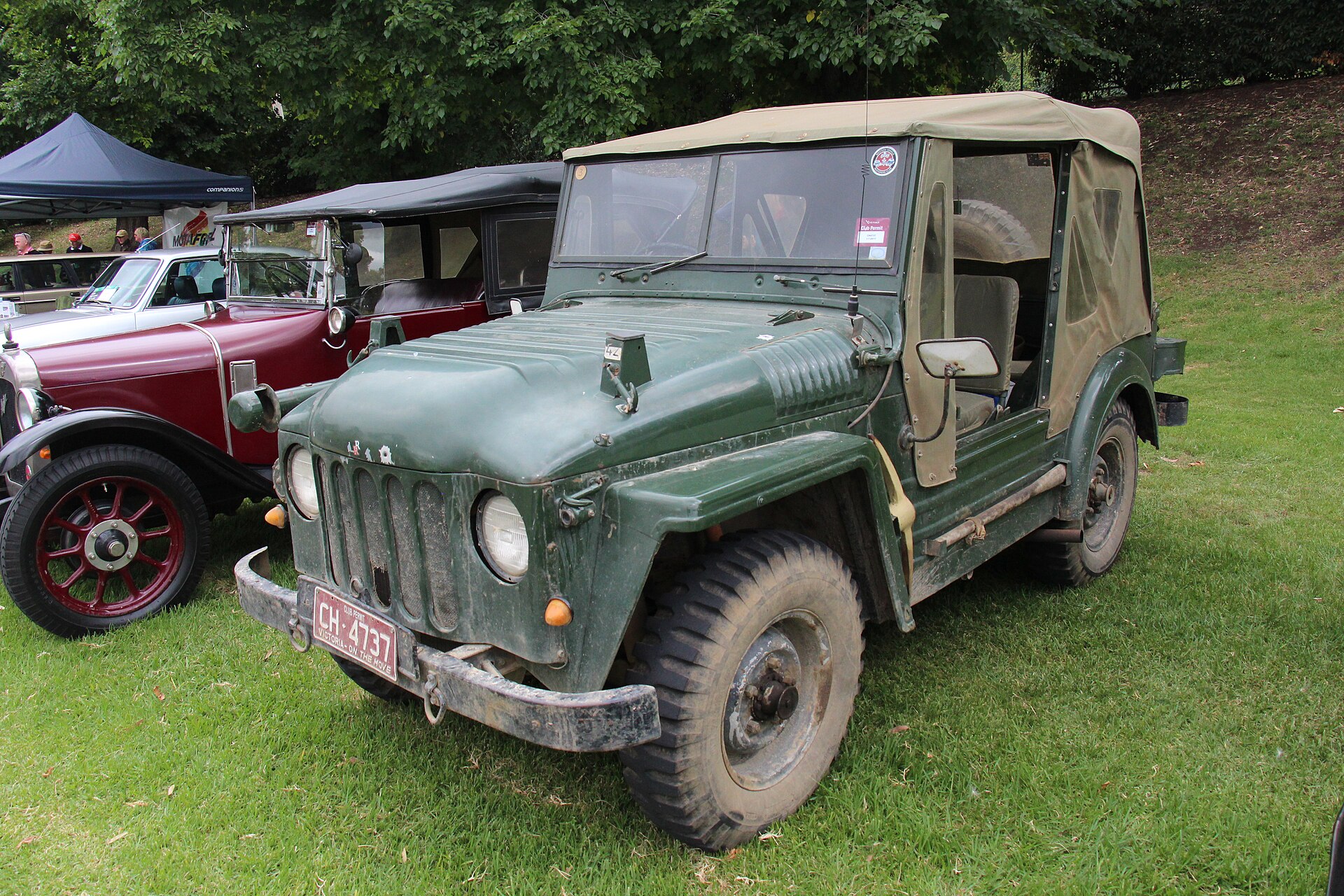
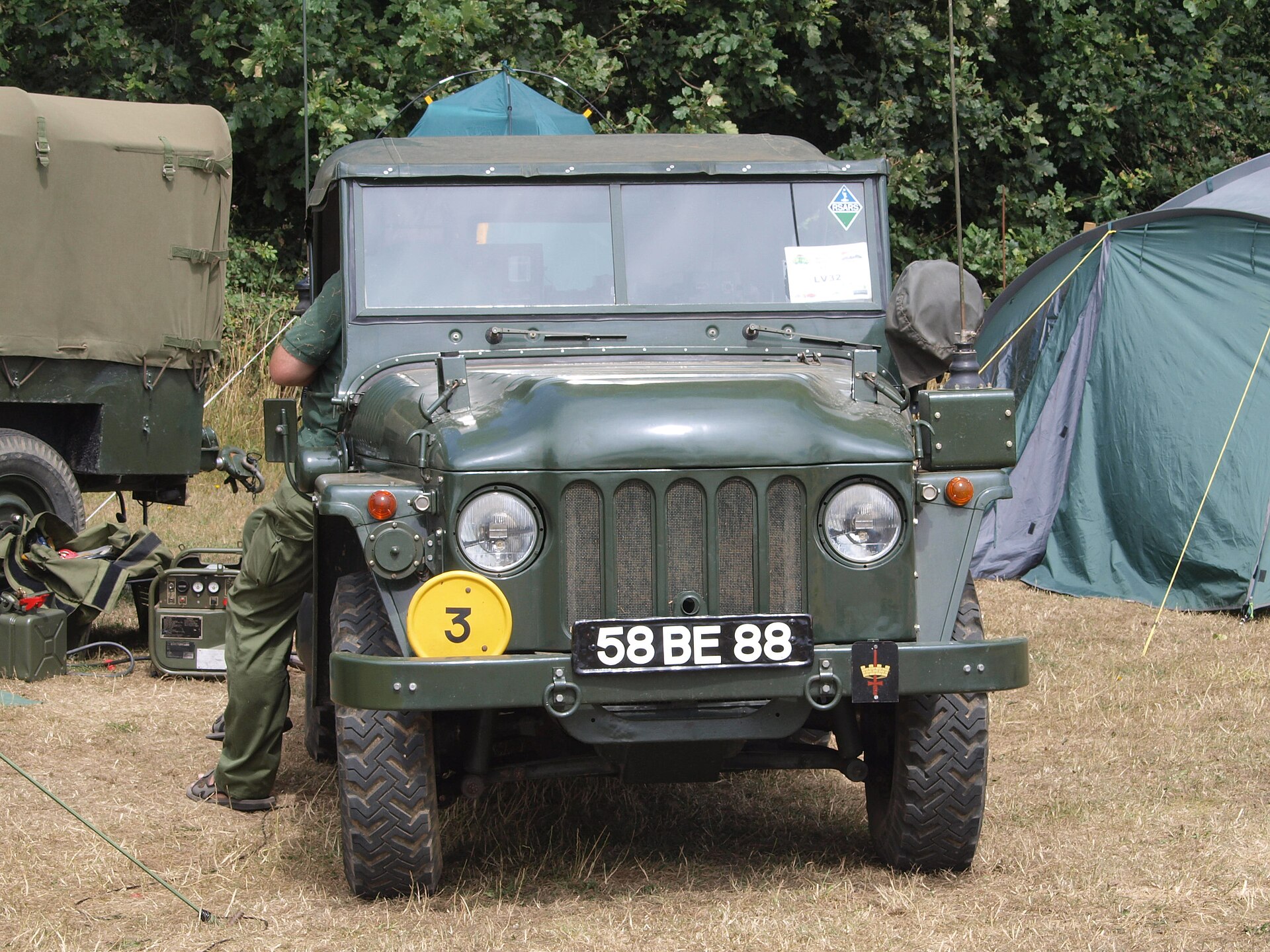
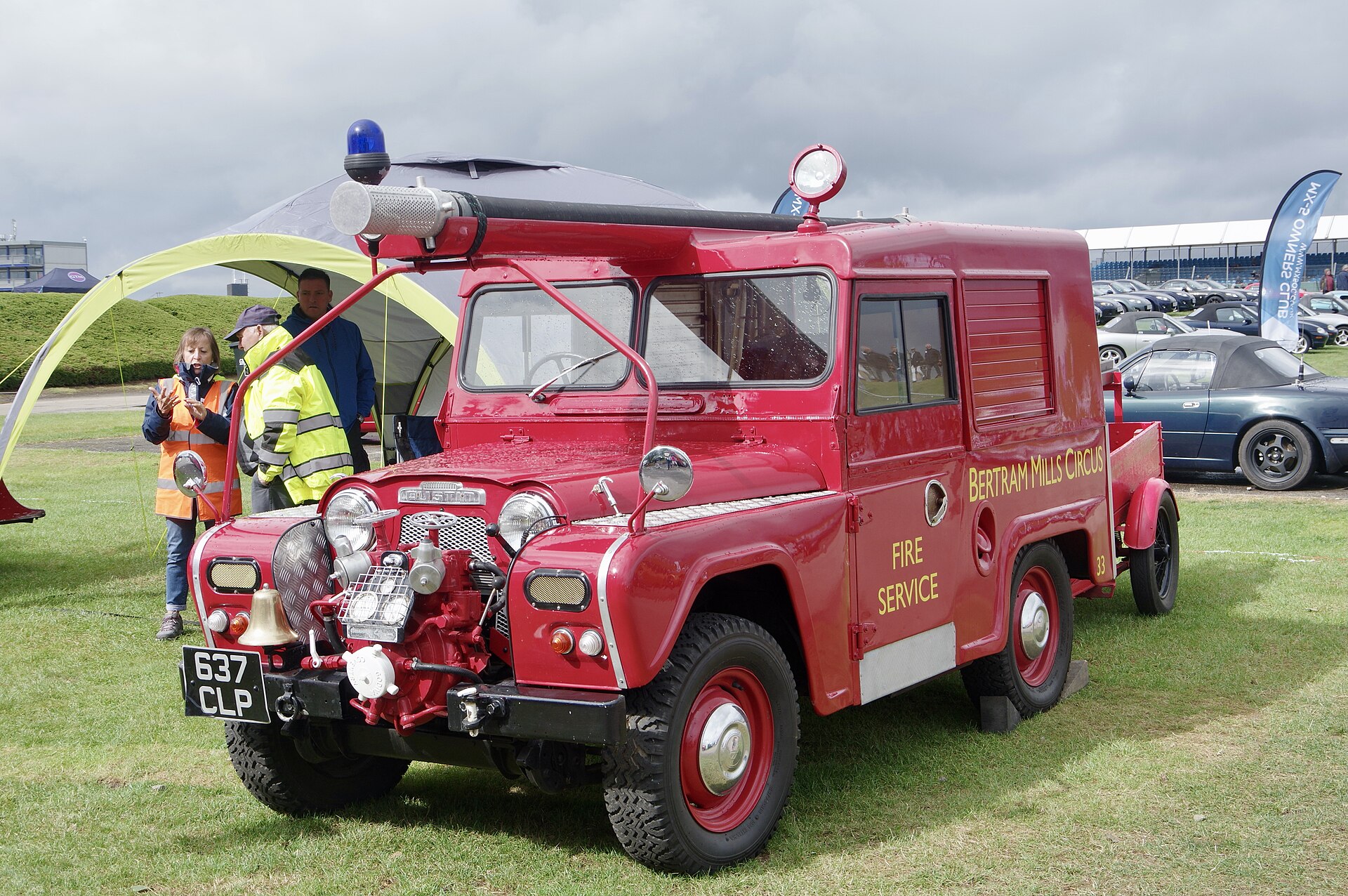
The British Army’s over-engineered jeep: the Austin Champ of 1951, developed from the Nuffield Gutty and Wolseley Mudlark with torsion-bar independent suspension designed by Alec Issigonis, a 2.8-litre Rolls-Royce B40 engine and a five-speed gearbox that gave five reverse gears as well, and waterproofing for six feet of wading; 15,000 were ordered but about 11,000 military vehicles were built at Cofton Hackett before the contract was cut, plus about 500 civilian WN3s, mostly exported to Australia.
MODEL LINEChampBUILT BYAustin Motor Company, LongbridgePRODUCED1951–56PRODUCTIONAbout 11,000 military and about 500 civilianLAYOUT4 wheels · 84″
The record
The Champ was everything the War Office asked for and more than the Army needed: it cost £1,200 against the Land Rover’s £600, needed specialist maintenance, and the Land Rover could do most of the same work. The order was ended early and the Army standardised on the Land Rover; the Champ’s Rolls-Royce engine and independent suspension make it a prized restoration today.
PRODUCTION RUNAbout 11,000 military and about 500 civilian (WN3)
COUNTRY OF ORIGINUnited Kingdom
STATUScontract ended early; the Army chose the Land Rover
RECORD KINDBase model
MODEL LINEChamp
FAMILYChamp
WHEELS4
NOMINAL WHEELBASE84″
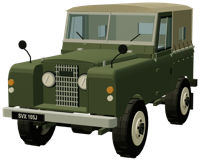
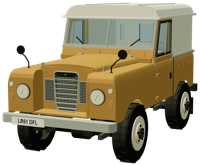
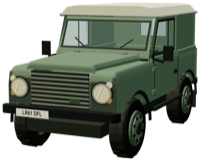
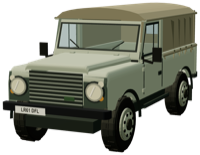
BODY STYLESoft top
VARIANTS2
Catalogue fields describe the vehicle's structure and body as this registry records it. They are not certified factory measurements, and no performance figures are published here.
Body styles & colours
Body style
Factory colours
Deep Bronze Green
Codes on hover. Hex values are representative approximations of period paint unless a source states a measured value.

_(owner_Paul_Jackson).JPG)